Netherlands → Belgium → Bulgaria
This journey didn’t reveal itself through distance.
It revealed itself through systems — what is built to manage reality, absorb difference, and sustain continuity over time.
Across the Netherlands, Belgium, and into Eastern Europe, those systems were not consistent.
They shifted in purpose, in form, and in what they were asked to hold.
What began as observation became something else entirely.
The Route (Context)
Amsterdam → Keukenhof → Rotterdam → Kinderdijk → Delft → The Hague → Ghent → Bruges → Brussels → Sofia → Rila Monastery
A movement across short distances that carried increasing weight — from engineered landscapes to inherited cities, and onward into regions where systems layered rather than resolved.
The Myth Thread — Living Inside Systems
Some places reveal themselves through landscape. Others through what has been built to manage it.
This journey began as movement through systems — engineered water, measured cities, inherited streets — and gradually expanded into something more fundamental. What started as observation became recognition: how societies organize themselves to hold difference, behavior, and the realities they cannot fully resolve.
Not all systems emerge for the same purpose.
Some are designed to control outcomes. Others evolve to absorb them. And in some places, systems do not attempt resolution at all, but instead carry what cannot be fully reconciled.
The Netherlands made this visible first. Belgium carried it forward. What followed began to expose its limits.
The Itinerary (Reference)
View full day‑by‑day itinerary
Day 1 – Arrival, Amsterdam
Arrival into Amsterdam. Train into the city, orientation walk through the historic center, introduction to the layered history of religion, trade, and regulation.
Day 2 – Keukenhof and Amsterdam
Morning at Keukenhof Gardens and surrounding tulip fields. Return to the city for museums, canals, and neighborhoods.
Day 3 – Amsterdam (King’s Day)
Full day in Amsterdam during King’s Day. Streets filled, systems expanded to absorb scale, contrast between civic structure and collective energy.
Day 4 – Amsterdam and Surroundings
Morning excursions to surrounding regions (Zaanse Schans / Volendam). Afternoon visit to the Anne Frank House.
Day 5 – Transition to Rotterdam
Train to Rotterdam. Initial exploration of the modern city, shaped by reconstruction and design.
Day 6 – Rotterdam and Kinderdijk
Rotterdam city walk (Market Hall, Cube Houses, Old Harbor). Afternoon at Kinderdijk exploring windmills and water management systems.
Day 7 – Delft and The Hague
Day trip combining Delft’s human-scale continuity with The Hague’s restrained governance and civic structure.
Day 8 – Travel to Ghent, Belgium
Train to Ghent. Canals, Gravensteen Castle, and introduction to Belgium’s historical continuity.
Day 9 – Ghent
Walking tour, city core, churches, towers, and everyday movement within preserved structure.
Day 10 – Bruges
Day trip to Bruges. Canals, squares, and a fully intact but actively used historical center.
Day 11 – Brussels
Arrival in Brussels. Grand Place, transition toward a broader civic and institutional scale.
Day 12 – Brussels (European Parliament)
Visit to the European Parliament. Governance observed as process rather than identity, systems operating across countries.
Day 13 – Transition East
Departure from Belgium toward Bulgaria, where the character of the journey begins to shift.
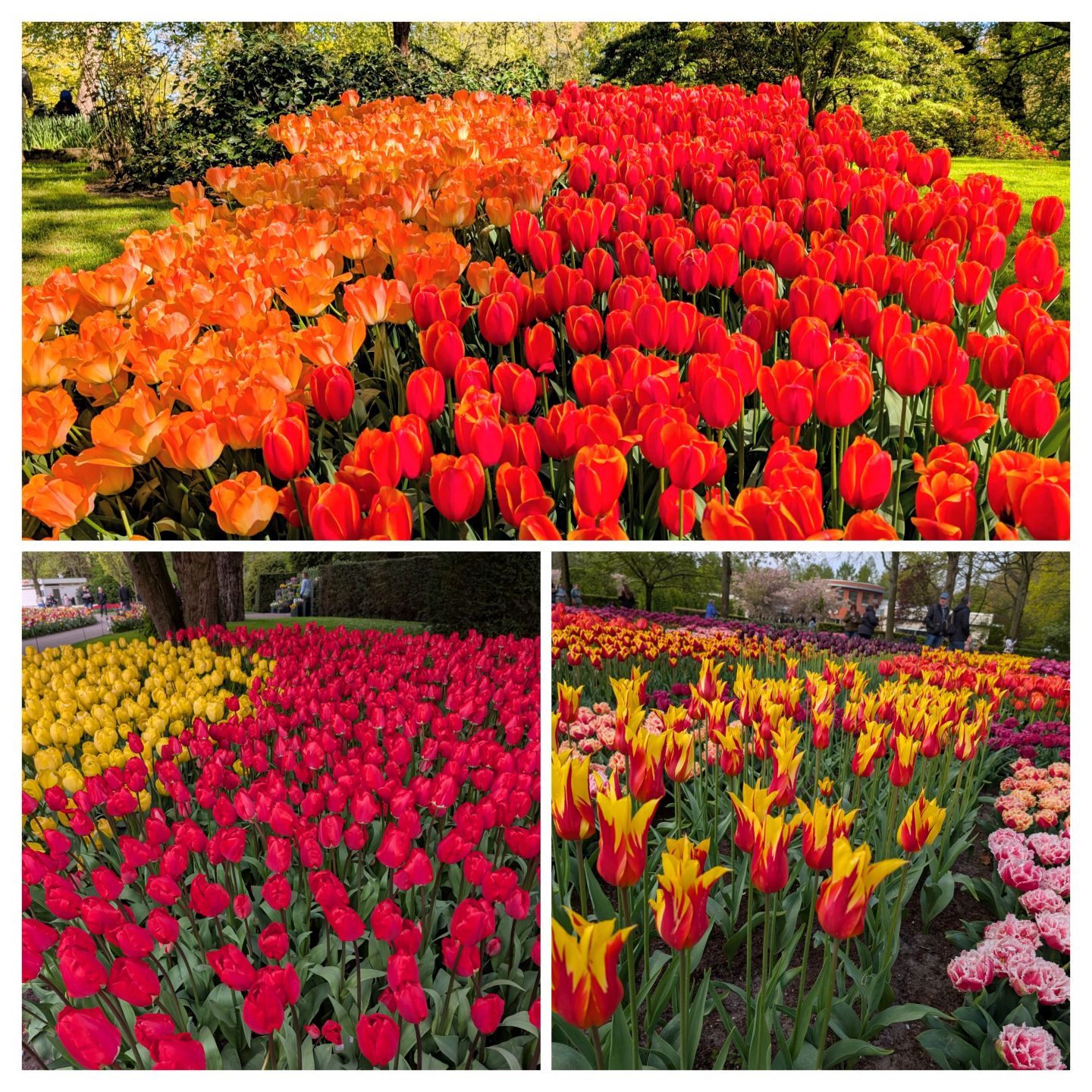
Keukenhof Pic
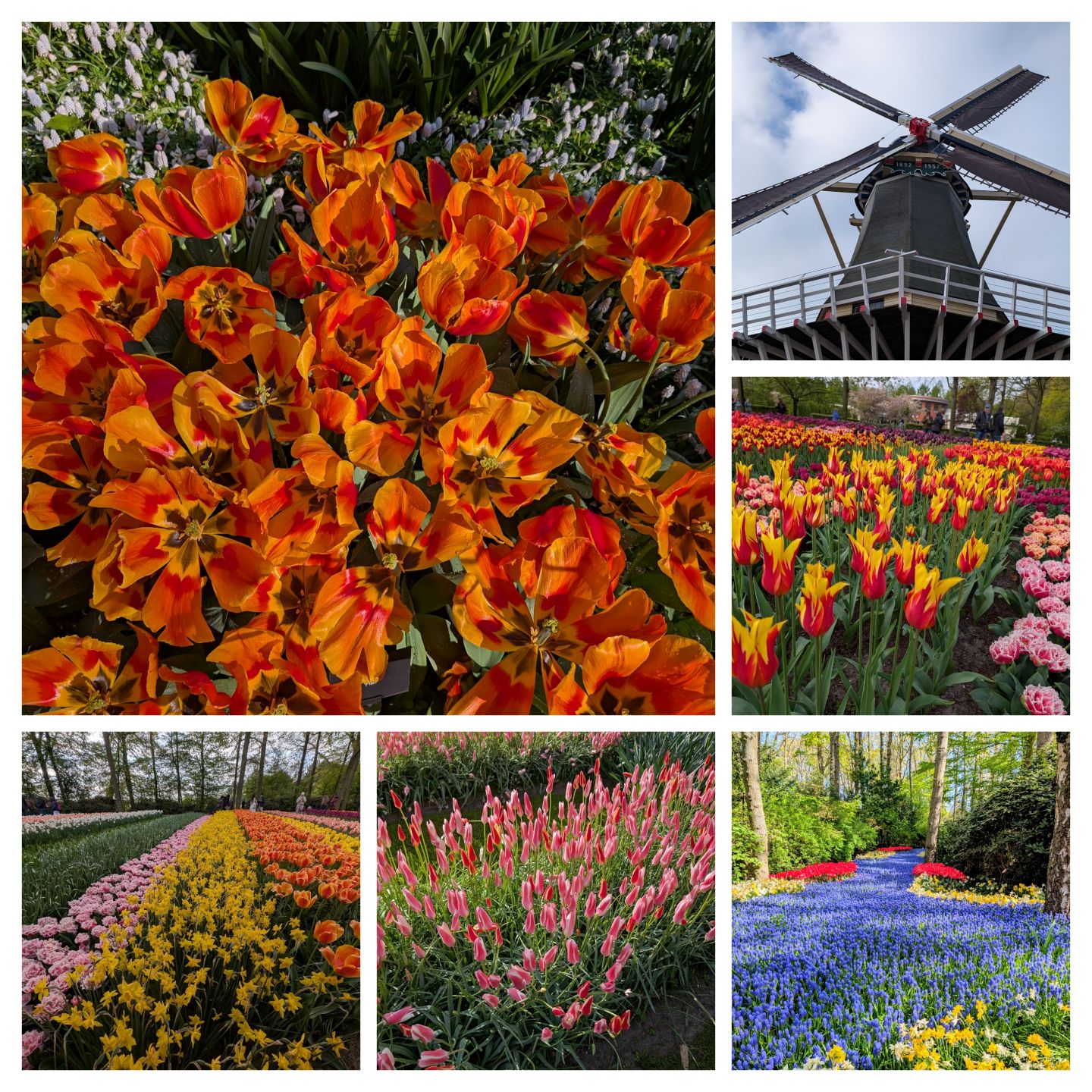
Keukenhof — Temporary Order
Keukenhof looks effortless until you realize how little of it is permanent.
Each year, roughly seven million flower bulbs are planted across the grounds, every one of them removed and replaced. Nothing is designed to endure beyond a single season. Planting begins in October, carefully finished before winter, so the bulbs can settle before blooming all at once in spring.
What appears spontaneous is controlled.
The effect is abundance without permanence — a system designed to peak, dissolve, and begin again. Even beauty here is managed, not preserved.
Zaanse Schans Pic
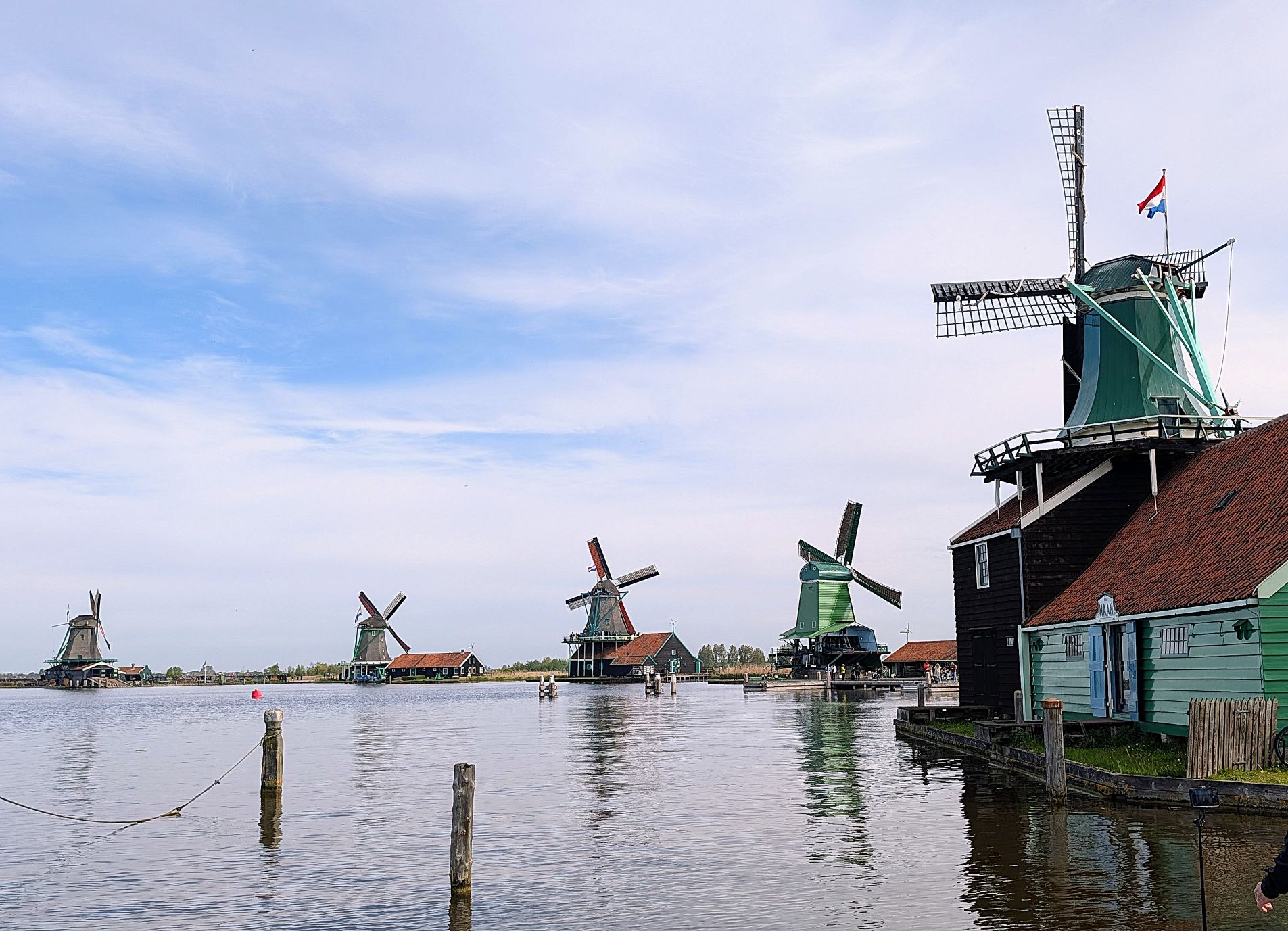
Zaanse Schans — Continuity
At Zaanse Schans, the structure was more explicit. Windmills, workshops, and demonstrations operated together within a defined setting. The system was clear, organized, and intended to represent continuity rather than carry it forward organically.
Amsterdam — Negotiation Made Visible
The system held, but not without friction.
On the first day, a simple task—shipping a package—became unexpectedly complicated. Finding a DHL location that would actually accept a shipment required more than proximity. Many storefronts carried the name, but only as collection points, not full service locations. Each stop revealed another partial system, another limitation.
What seemed straightforward required persistence. We moved from one location to another, eventually covering far more distance than expected before finding a place that would process the shipment completely.
The effort wasn’t wasted. It revealed something the broader structure only hinted at—systems here were precise, but fragmented. Understanding them required more than entry. It required navigation.
Amsterdam reveals itself through contradiction, but not conflict.
The walking tour traced a city shaped less by belief than by negotiation. Catholic structures gave way to Protestant systems, not through removal but adaptation — hidden churches, shifted use, continuity preserved through adjustment rather than dominance.
The structure itself carried its own fragility.
Leaning Buildings Pic
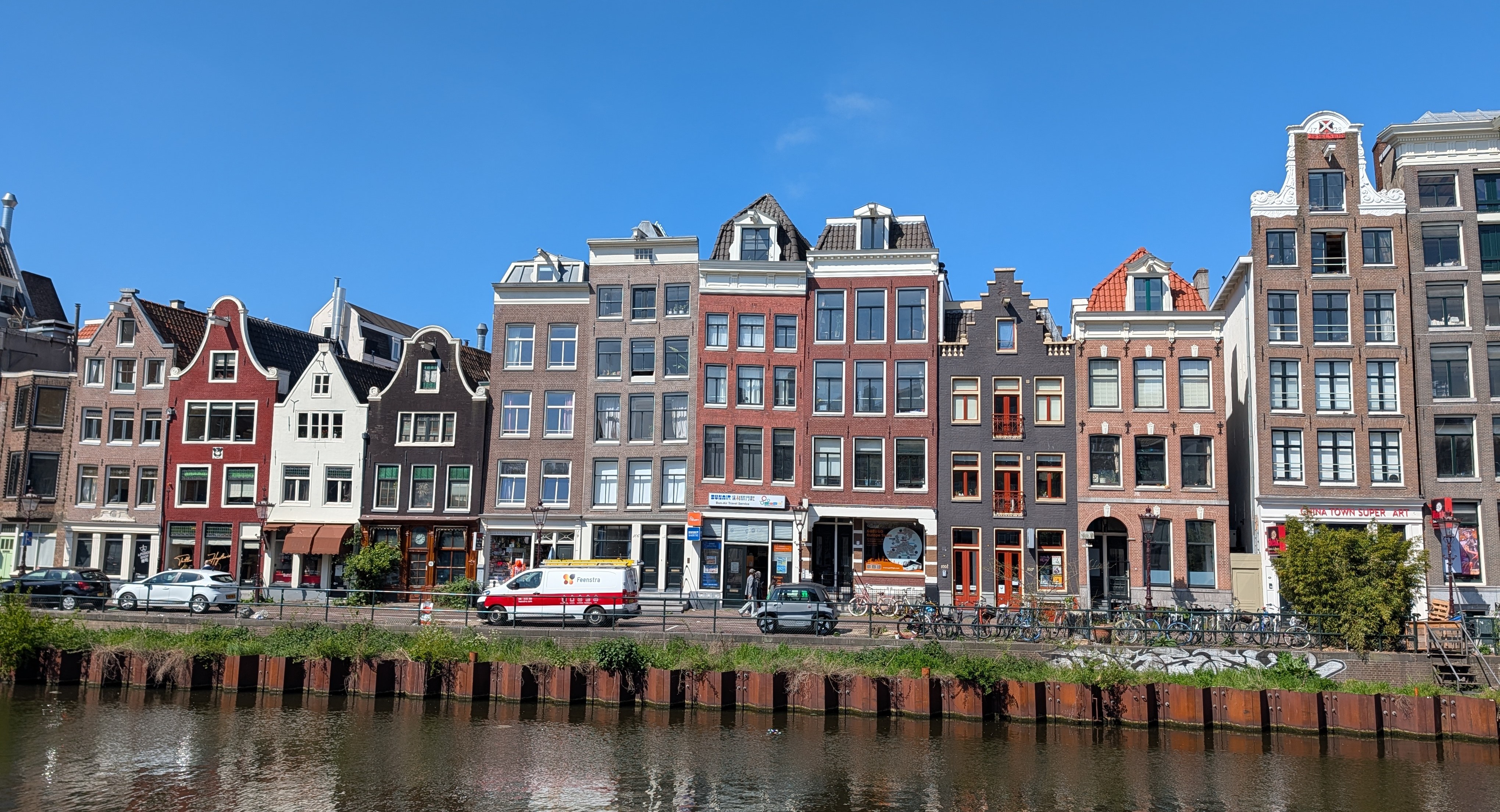
Buildings leaned subtly, some more visibly than others—a result of shifting ground beneath foundations never meant to remain entirely stable. What appeared ordered was, in part, held in place through ongoing intervention.
The canals, so central to the city’s design, required continuous reinforcement. Edges were maintained, stabilized, adjusted over time to limit what would otherwise give way.
Stability wasn’t inherent. It was sustained.
The system did not eliminate the underlying condition. It managed it.
Canals Pic
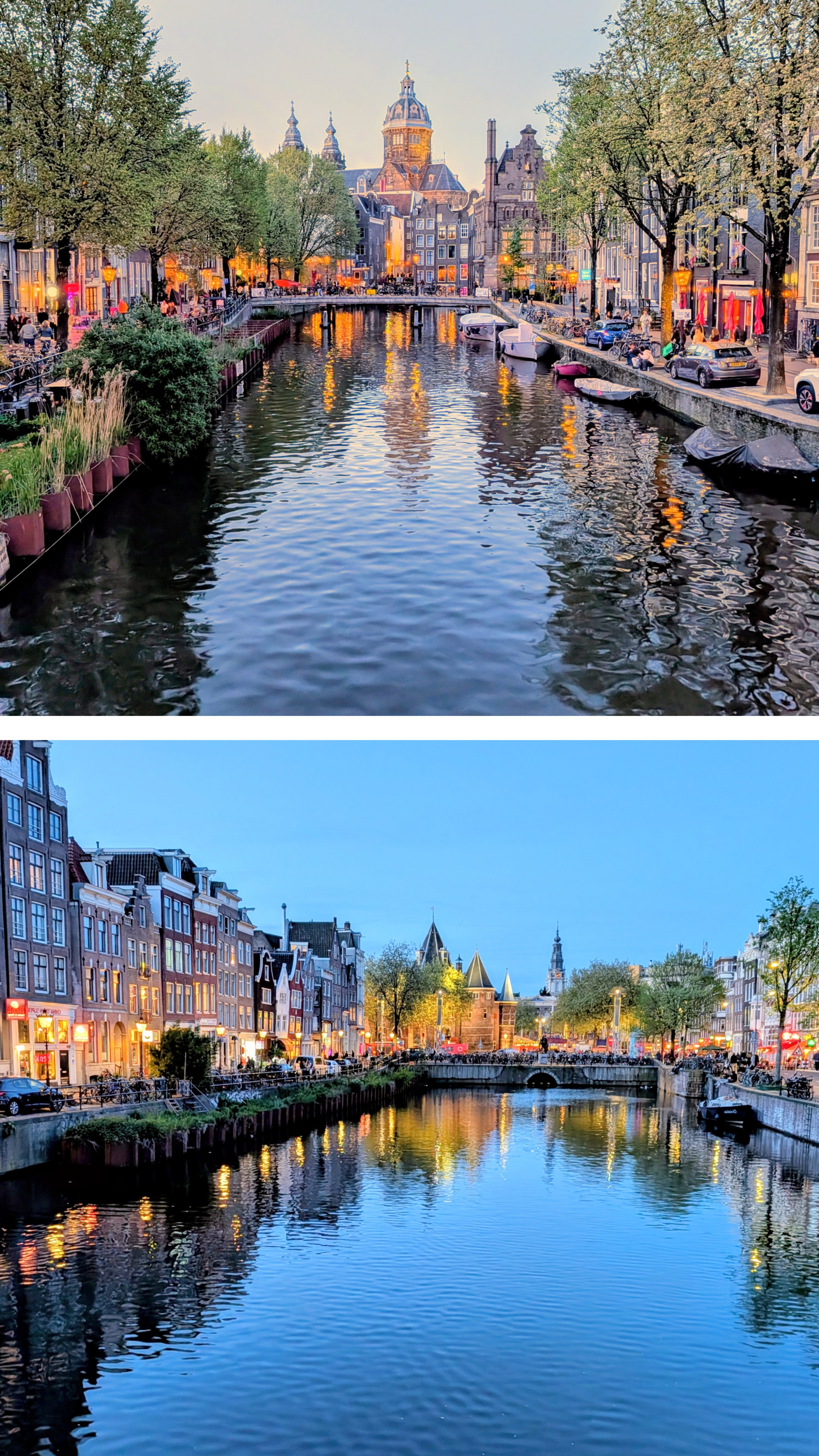
Movement through the city operated on multiple levels at once.
Bicycles dominated the streets, not as an alternative to vehicles, but as the primary system of movement. Crossing required adjustment—attention shifted, timing changed, awareness extended beyond what would normally be expected.
The rhythm was not instinctive at first.
It had to be learned, quickly. The system assumed participation, not observation. You adapted to it, or you interrupted it.
Bicyles-street Pic
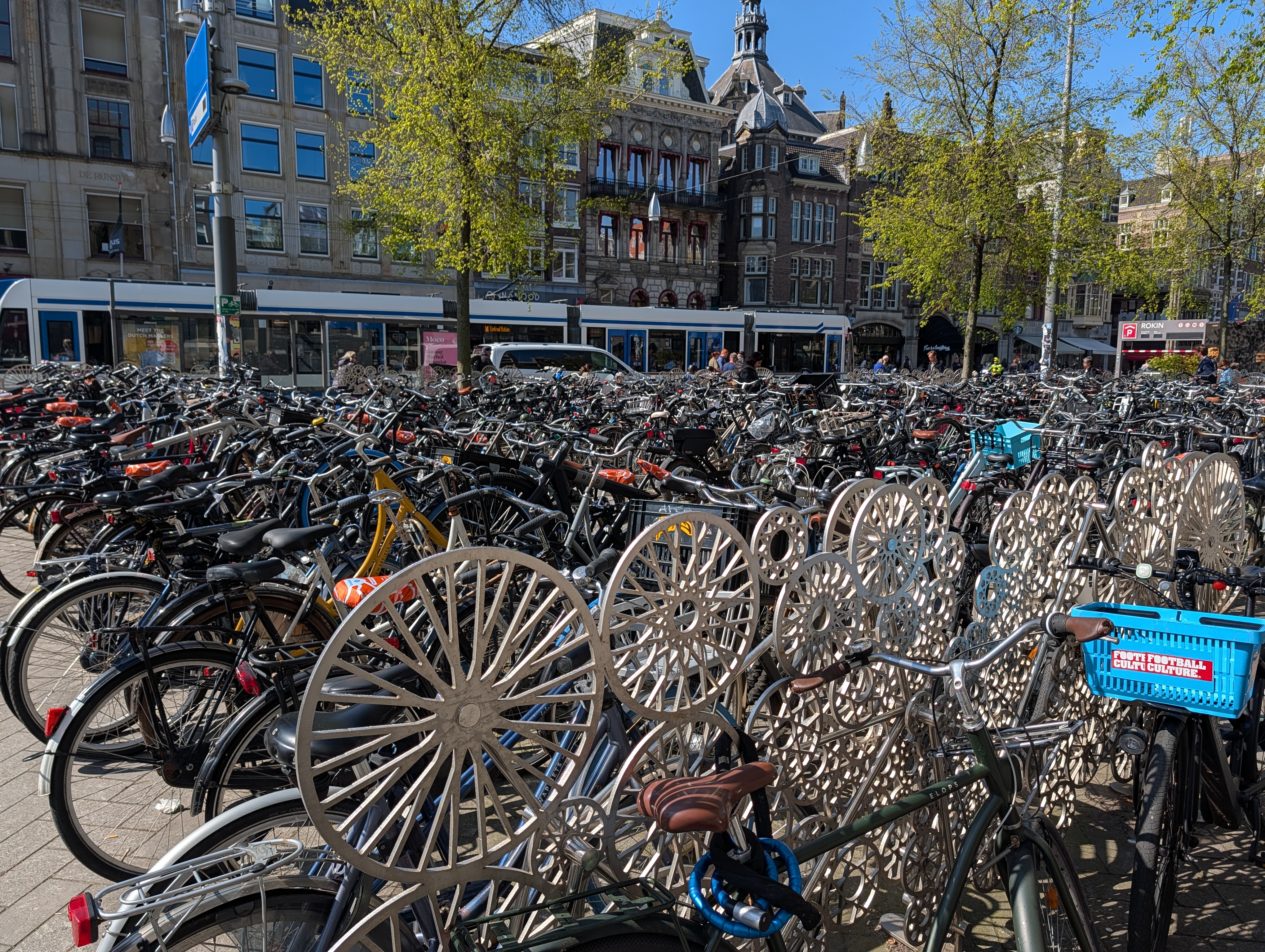
Daily use revealed itself in smaller ways.
A simple herring sandwich from a stand positioned on a bridge became less about the food itself and more about its placement. Movement passed through it—cyclists, pedestrians, brief exchanges that required no pause beyond the moment.
At one point, someone nearby asked, “Is it good?” The exchange was brief, like everything else there—momentary, then gone as movement continued.
Even the presentation carried intention. The staff, in white coats, worked with a quiet precision that contrasted with the informality of the setting. Structure extended into even the smallest interactions.
It didn’t feel constructed. It existed within the movement of the city, part of the same system that organized everything else.
Like other elements, it wasn’t separate from the city’s design. It was embedded within it.
Tradition appeared in quieter forms as well.
Wynand Focking Pic
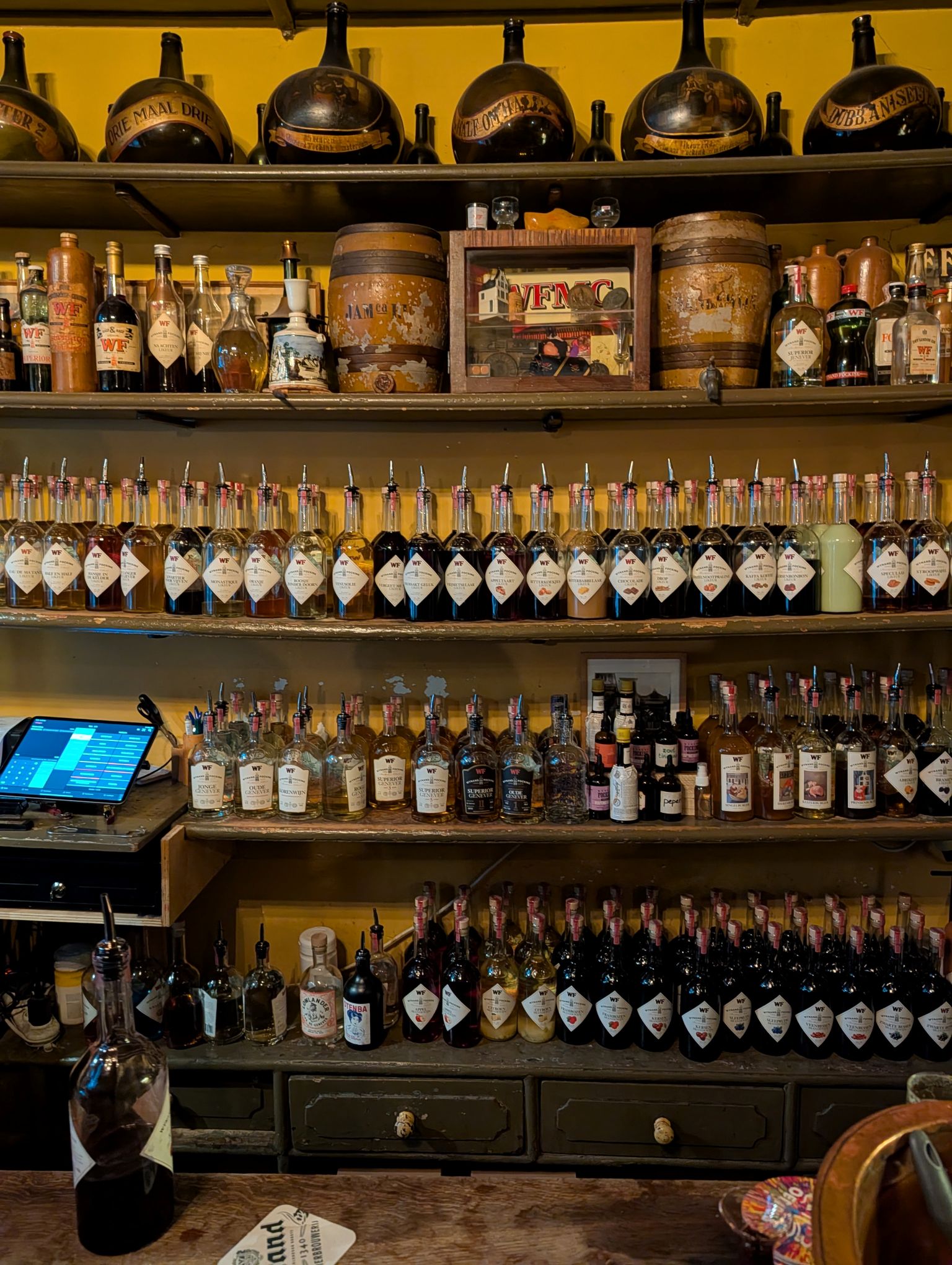
At Wynand Fockink, the space felt unchanged in its intention. The setting was compact, informal, but precise in its rhythm—drinks served in a way that required a certain posture, a small adjustment to participate correctly.
Nothing was modernized for effect. The experience remained tied to its original context, carried forward without needing to be reinterpreted.
It wasn’t preserved as history. It was still in use.
A constant presence of younger residents—students moving between neighborhoods, gathering along canals, occupying public space as part of daily use—kept the system active. The city didn’t feel static or preserved. It felt continuously renewed.
Commerce mediated what belief could not resolve.
Red Light District Pic
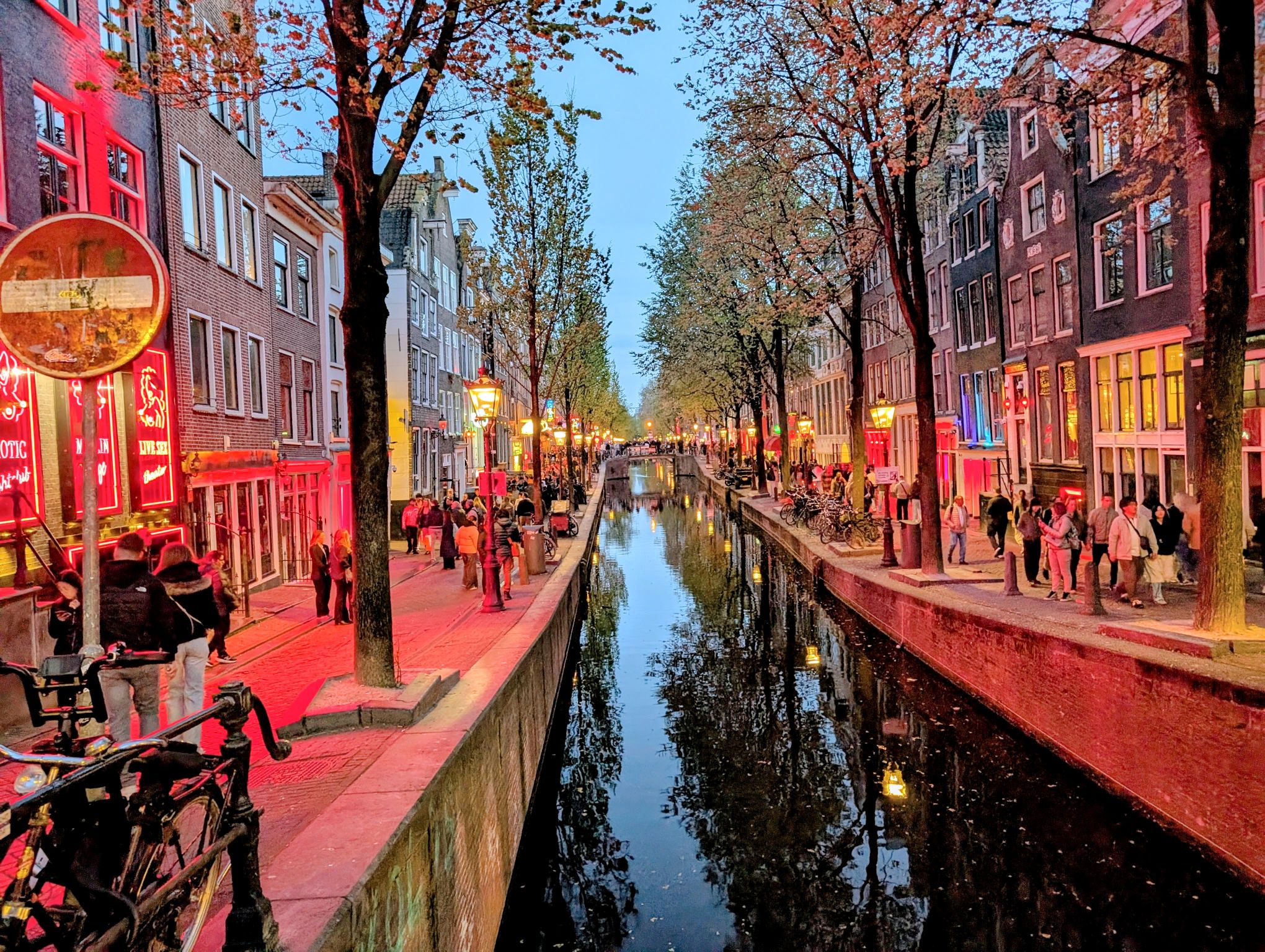
The Red Light District did not exist outside the system, but within it — regulated, contained, visible. Behavior wasn’t denied. It was structured into something manageable.
The same logic appeared elsewhere, though less visibly.
What is often described as permissive carried its own limits. Use was not simply legal, but contained—restricted to specific spaces, structured through designated locations. Outside of them, the rules changed.
Behavior wasn’t fully accepted. It was regulated through environment.
Like other parts of the city, the system did not eliminate what it could not control. It defined where it could exist.
Small details revealed themselves in passing.
Bicycles with flower baskets appeared throughout the city—bright arrangements attached to otherwise ordinary frames. At first they felt incidental, decorative. But over time they repeated often enough to register differently.
Bicycle Pic
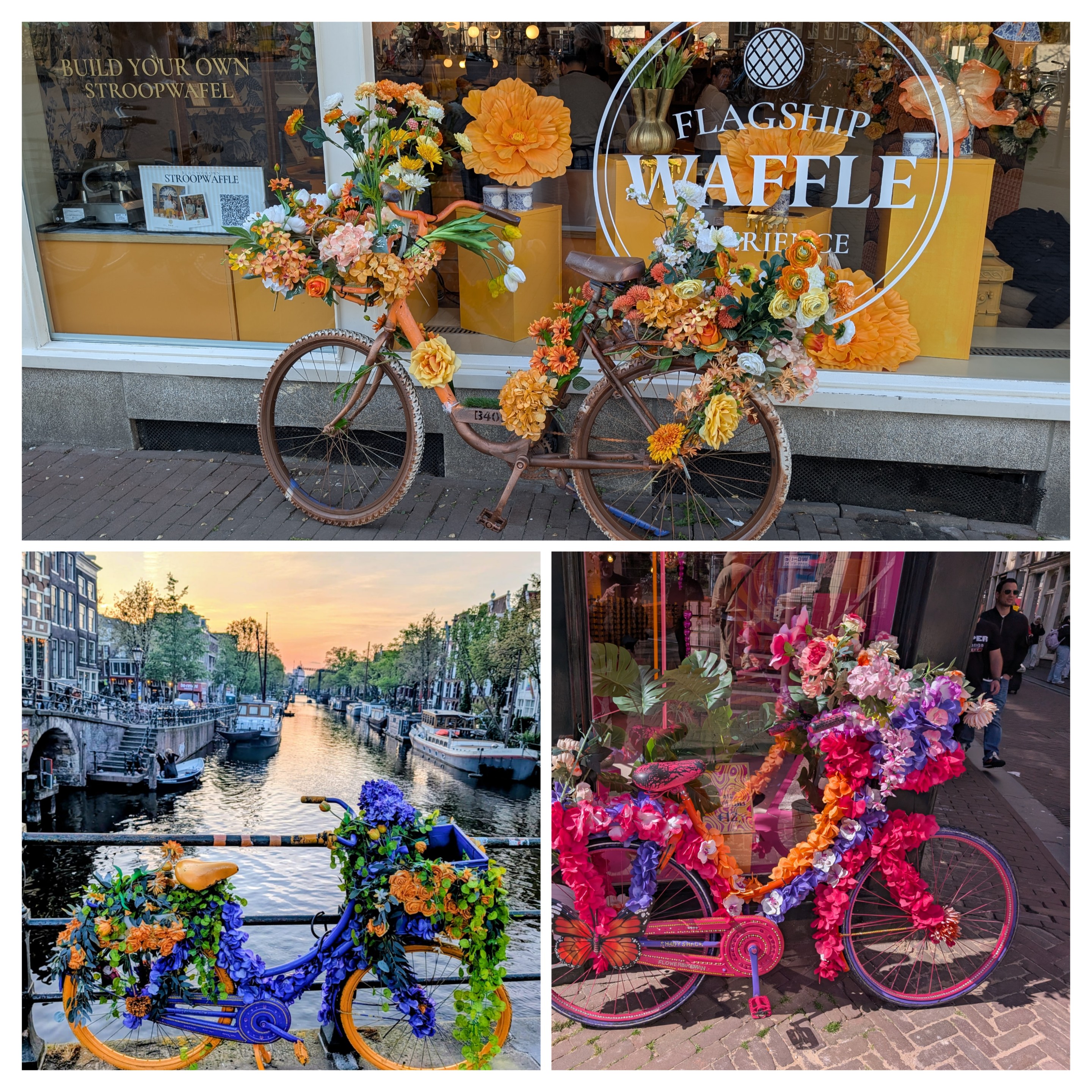
The origin was simple. A man had begun placing flowers on bicycles for his wife. What started as a personal gesture became visible, then shared, and eventually part of the city’s texture.
It wasn’t designed. It wasn’t organized. But it was carried forward.
Like the systems around it, the act didn’t need to scale perfectly to matter. It only needed to persist long enough to become part of what the city now holds.
Amsterdam — Celebration and Continuity
King’s Day removed any remaining abstraction.
Kings Day Pic
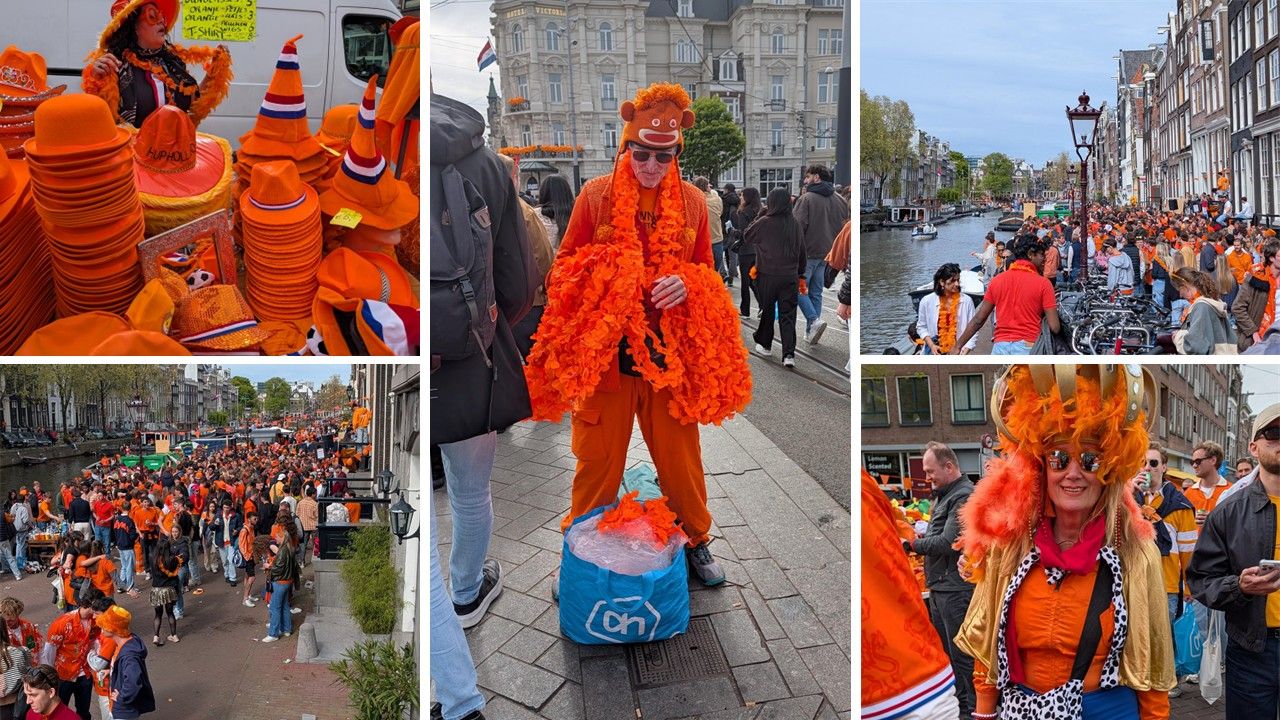
The city turned orange. Streets filled. Movement compressed into collective scale. But what stood out was not intensity — it was control. The same systems that governed daily life expanded to hold excess rather than fracture.
Steps away, the Oude Kerk remained.
Inside, stillness. Outside, movement. Neither displaced the other. Belief, labor, and celebration shared the same space without resolution.
Continuity held.
Amsterdam — Use, Not Preservation
The church itself reinforced the pattern.
Oude Kerk Church Pic
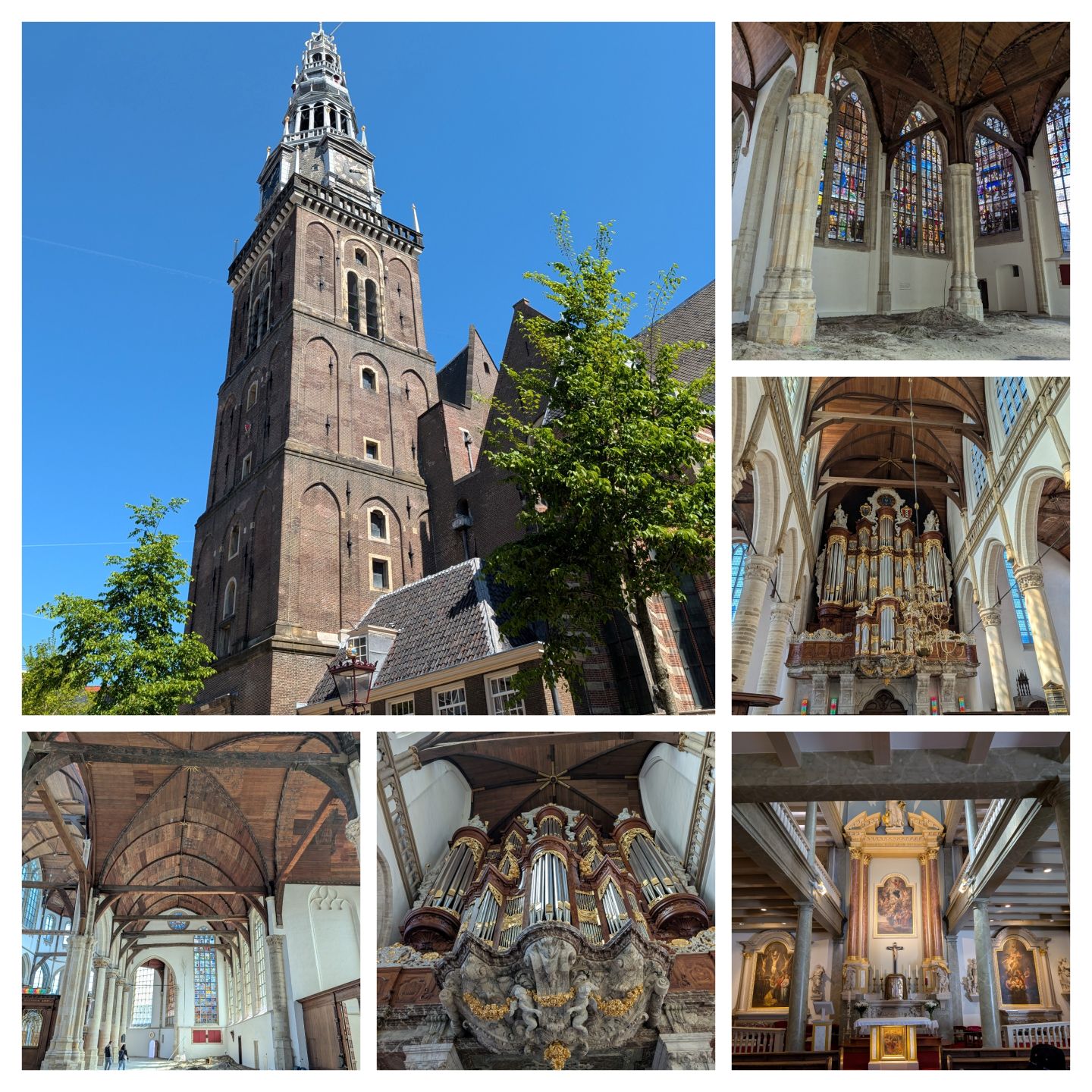
Jesse Darling’s installation, Godsworth, occupied the space openly. Contemporary work layered inside the city’s oldest structure. The building absorbed the present without abandoning the past.
It wasn’t preserved. It was used.
Meaning here remained fluid, capable of adjustment without needing to erase what came before.
Amsterdam — Accounting for Reality
This logic had precedent.
Sailors came here before and after voyages — to confess what might happen and what already had. Faith accounted for behavior that could not be controlled.
Forgiveness became structure.
The city learned early that stability came not from purity, but from systems capable of absorbing reality.
The separation between what was meant to be distinct had never been fully enforced. Different systems existed within immediate proximity, managed rather than removed.
Amsterdam — When Systems Fail
The timing made the contrast unavoidable.
The city was still recovering from King’s Day. Streets were being cleared, evidence of the day’s scale—discarded items, temporary structures, remnants of excess—still visible throughout the city.
Movement continued, systems adjusting, restoring order.
Inside the Anne Frank House, that continuity ended.
The Anne Frank House changed the scale.
The space was small, quiet, contained. No system functioned here. No negotiation held. Law had collapsed. Visibility had become danger.
This was absence.
Stepping back outside, the city returned to order. But that order now felt learned — a response to failure, not an inevitability.
Here, systems were designed not to eliminate reality, but to make it manageable.
In Jordaan, the scale shifted again. Movement slowed, spaces narrowed, and daily life became more visible at the street level—less structured, but still within the same underlying system.
That same sense of scale carried into smaller spaces.
A simple meal unfolded without emphasis—a local restaurant, a familiar dish, executed with quiet precision. The experience didn’t rely on novelty or presentation, but on consistency and attention to detail.
It reflected the same pattern present elsewhere. Nothing was elevated beyond what it needed to be. It was simply done well, and left to stand on its own.
Rotterdam — After the Break
Rotterdam begins with rupture.
The bombing erased the city’s core. What followed was not reconstruction of form, but reorganization of function. Wide streets, modern structures, clear movement — a city designed forward rather than backward.
Seen after Amsterdam, this wasn’t aesthetic. It was ethical.
Rotterdam did not preserve memory. It constructed clarity.
Some elements carried forward, though in altered form.
At the Markthal, familiar patterns appeared again—herring served differently this time, paired with pickles and onions only, consumed in a space far more structured and enclosed than before. What had been part of a street-level flow in Amsterdam reappeared within a defined architectural setting, formalized but still recognizable.
Markthal Rotterdam Pic
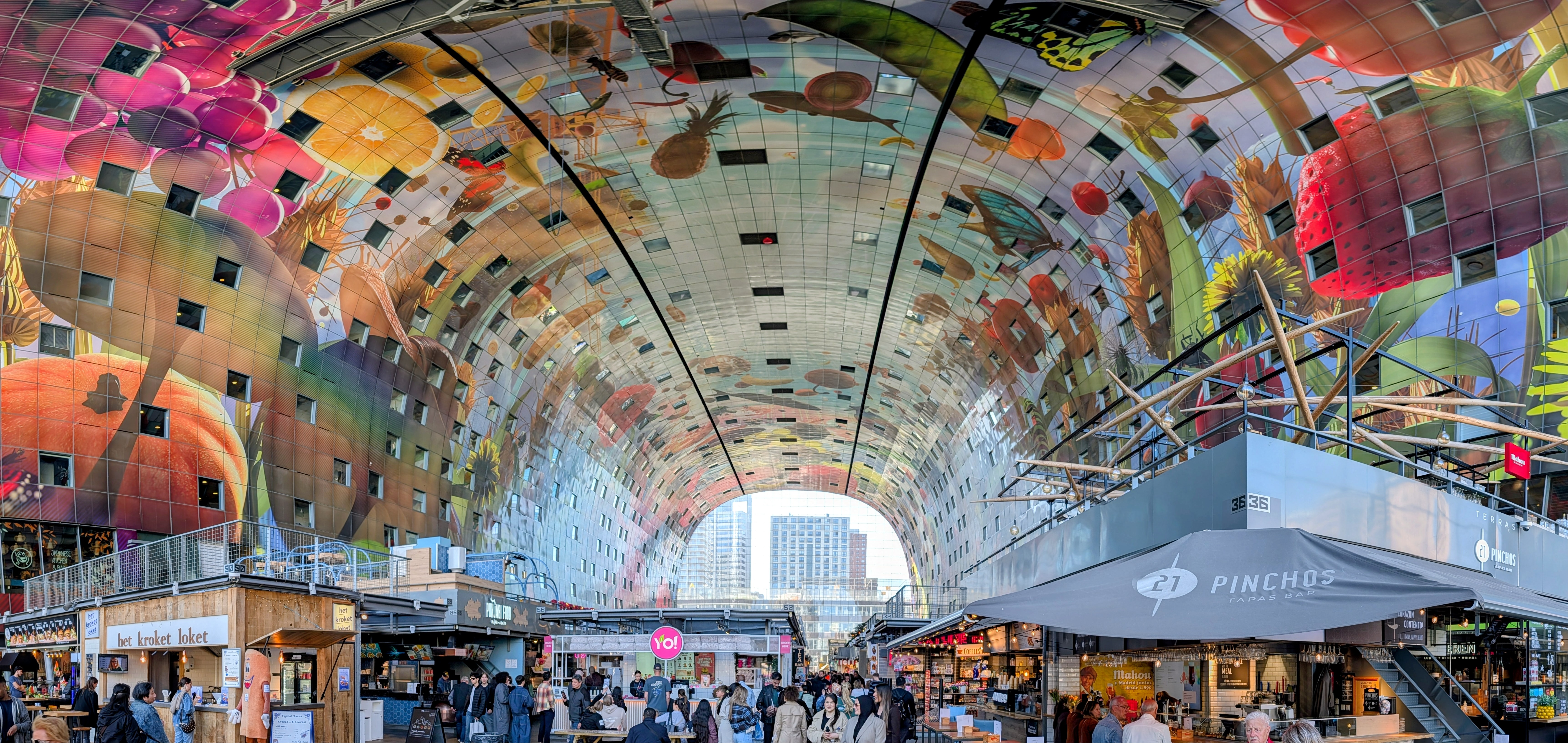
A different approach to preservation appeared nearby.
At the Depot Boijmans Van Beuningen, what is typically hidden was made visible. Storage became part of the experience—collections organized, accessible, exposed rather than separated from view.
The building itself reflected its surroundings, distorting them slightly, turning the exterior into something less fixed. The boundary between inside and outside, between what is held and what is shown, was less defined.
Depot Boijmans Pic
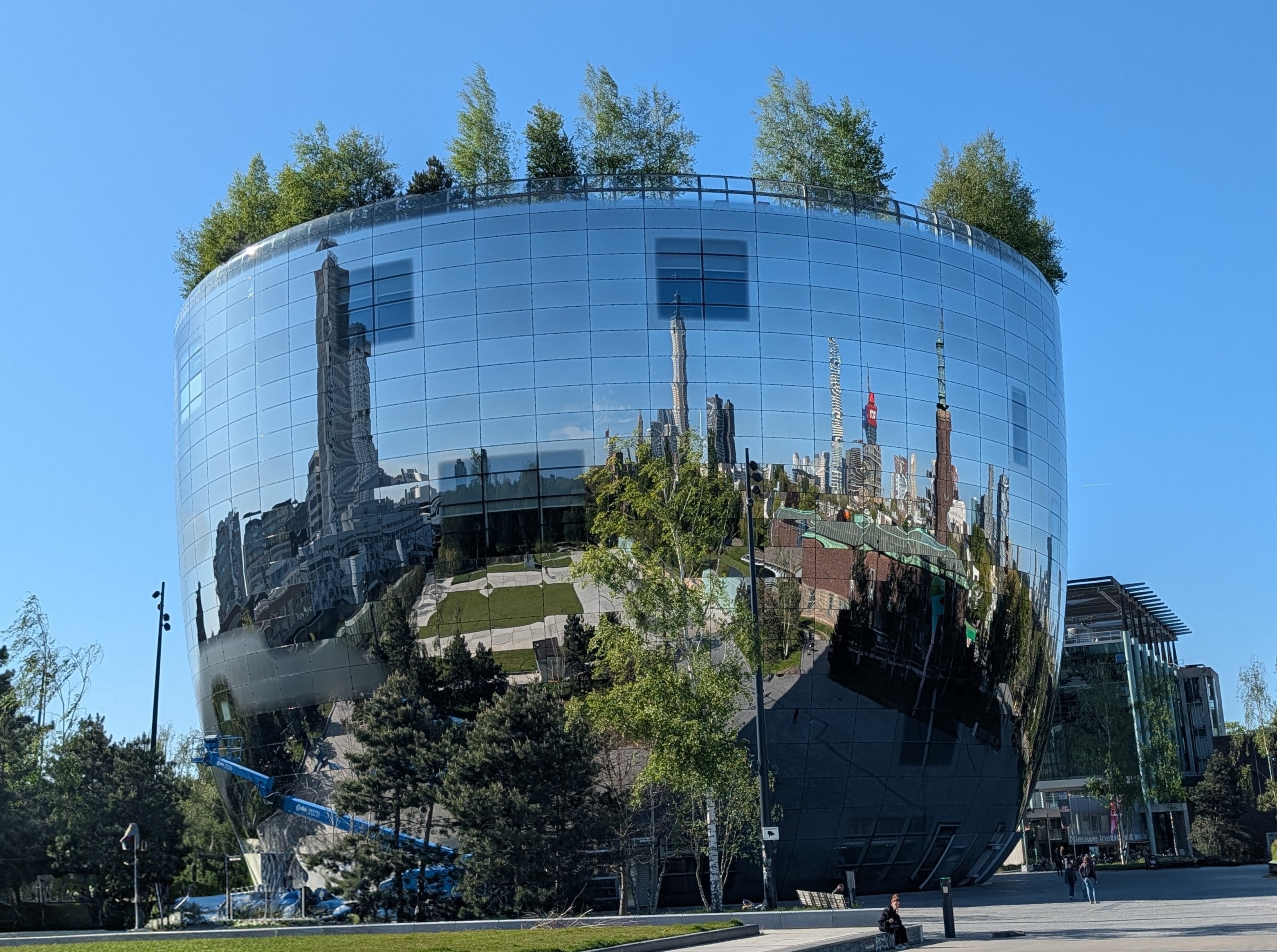
Preservation was not presented as static. It was part of the system itself.
Nearby, the cube houses shifted the experience further.
Cube Houses Pic
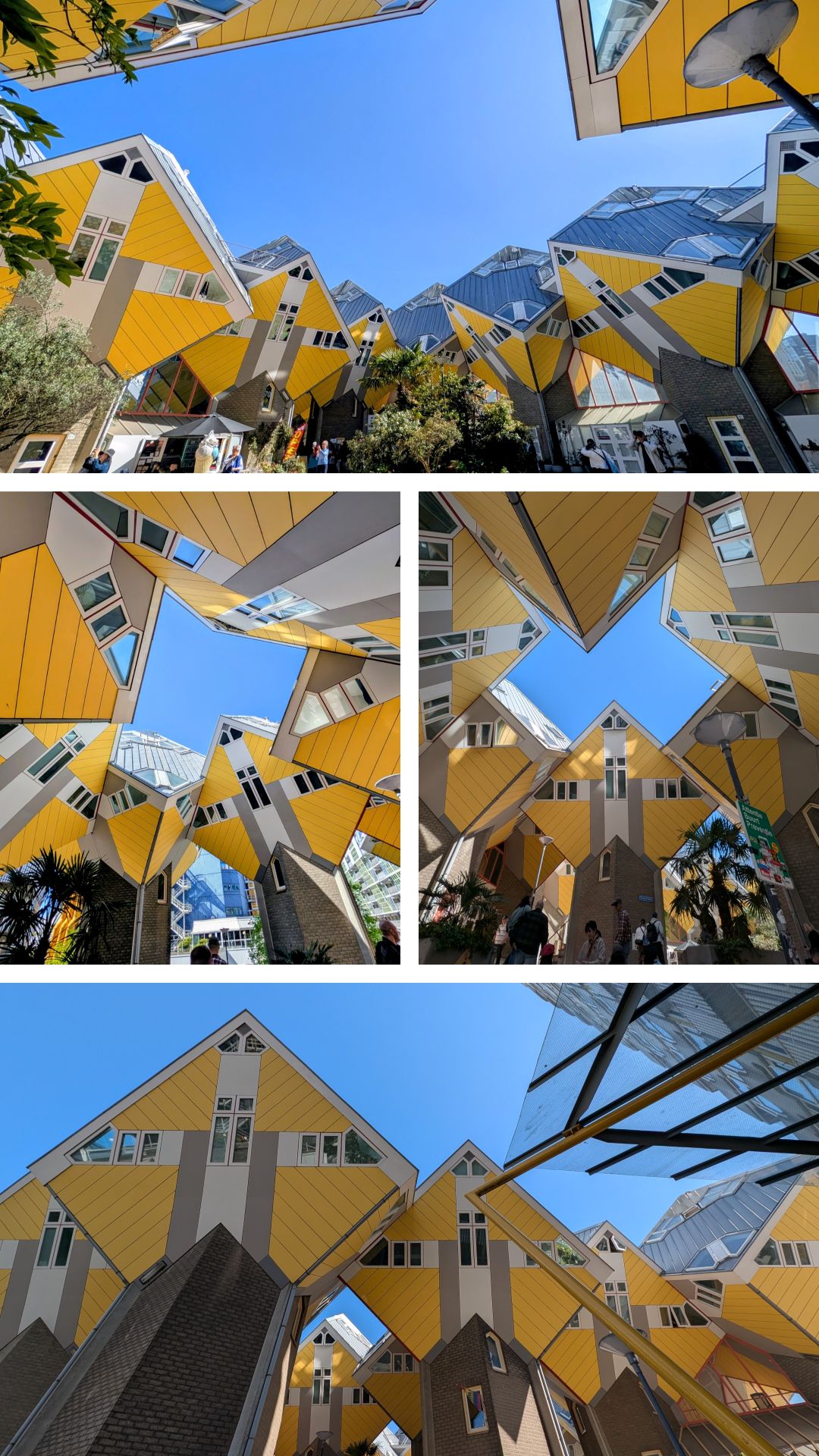
Structure no longer followed expectation. Angles displaced horizontals, orientation required adjustment, and movement through the space reflected a different kind of design logic—one that prioritized experimentation over continuity.
What had been consistent elsewhere was reconsidered here.
Delft and The Hague — Continuity and Restraint
Delft and The Hague worked together.
Delft held continuity at a human scale — canals, brick, daily movement shaped by long use. Nothing felt staged. History remained embedded.
The Hague shifted without announcing it. Authority lived here, but quietly. Governance operated without spectacle.
Binnenhof Hague Pic
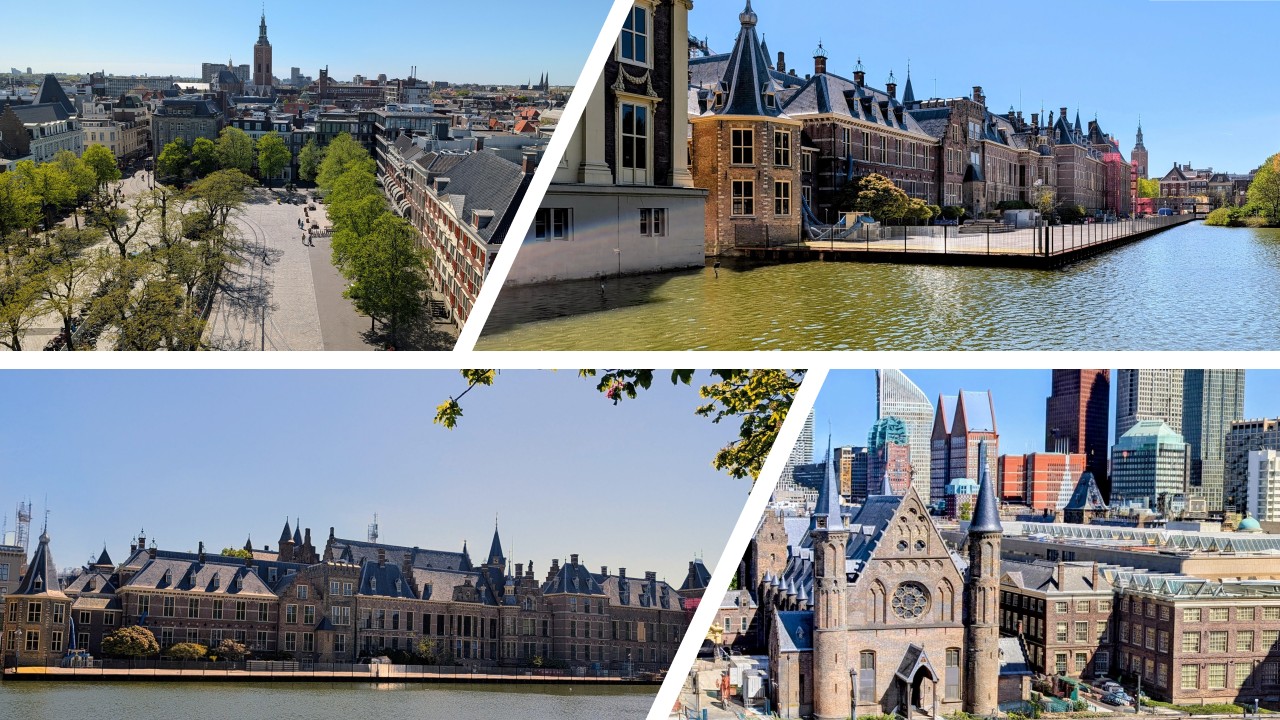
The connection between Delft and The Hague extended beyond proximity.
In Delft, that continuity became more explicit.
At the Royal Delft Workshop, the process remained visible. Production was not separate from preservation—techniques carried forward through repetition, each piece shaped by the same patterns that had defined the work over time.
Royal Delft Pic
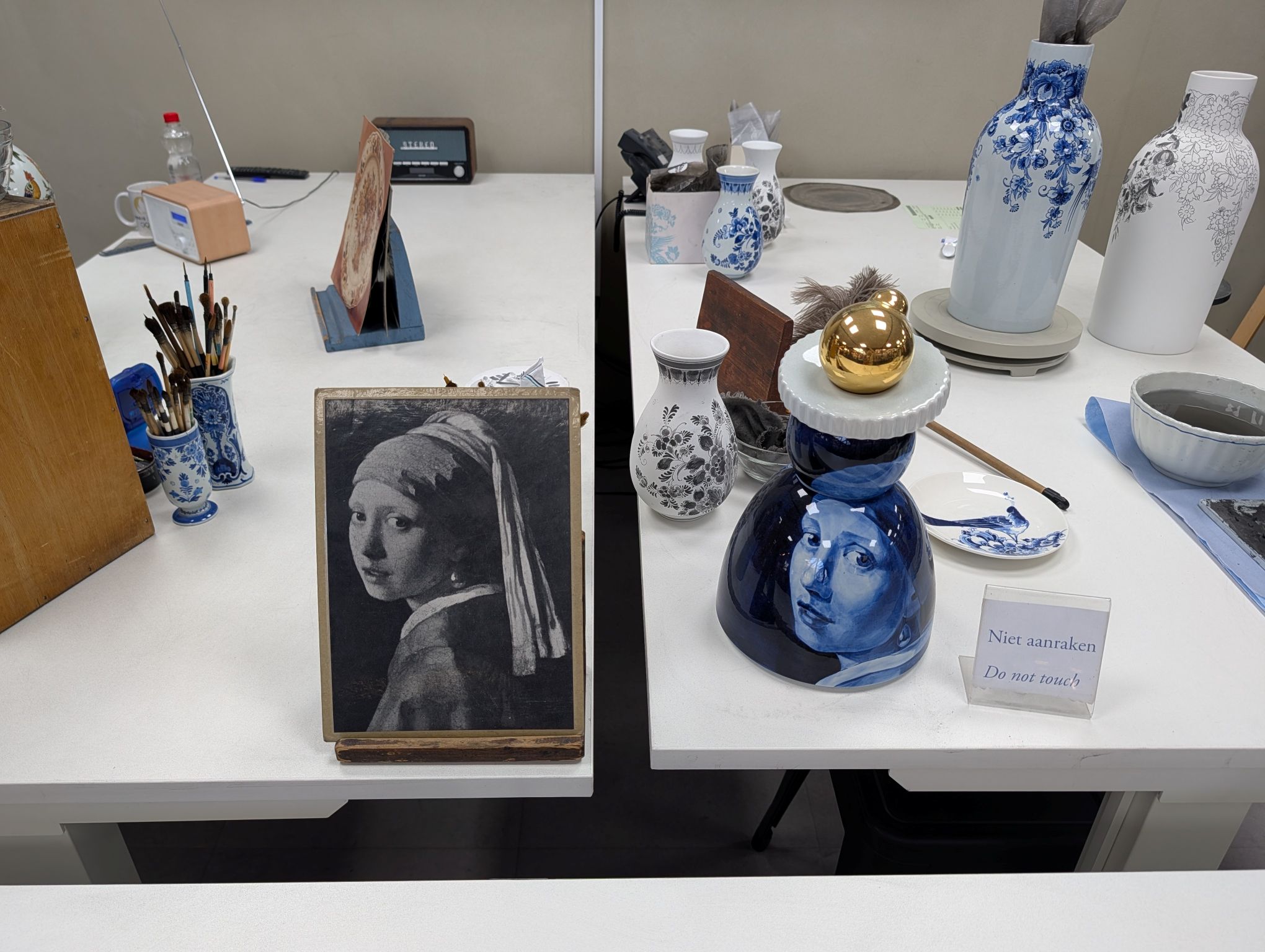
Familiar imagery appeared again, integrated into objects still in use. What might otherwise be confined to a single form existed here as part of an ongoing system of making.
The work was not static. It was sustained through practice.
That continuity shifted in The Hague.
At the Mauritshuis, the original held its position. Girl with a Pearl Earring remained contained, observed rather than used. What had been distributed and adapted in Delft returned here to a single point of focus.
Girl-Pearl Earring Pic

The image moved between contexts.
Not replicated as replacement, but carried across forms—between use and preservation, between repetition and origin.
Together, they clarified something essential.
Delft showed how history persists through use. The Hague showed how power persists through restraint.
Belgium — Continuity Carried Forward
Belgium began in continuity.
Ghent and Bruges carried forward what had been established but not fully expressed in the Netherlands — cities where the past had never separated itself from the present.
Even temporary interventions were absorbed without disruption.
Process remained visible here as well.
At a local brewery, production carried forward through established methods, not as demonstration but as ongoing practice. The system was not preserved for observation—it continued to function.
Straffe Brugge Pic
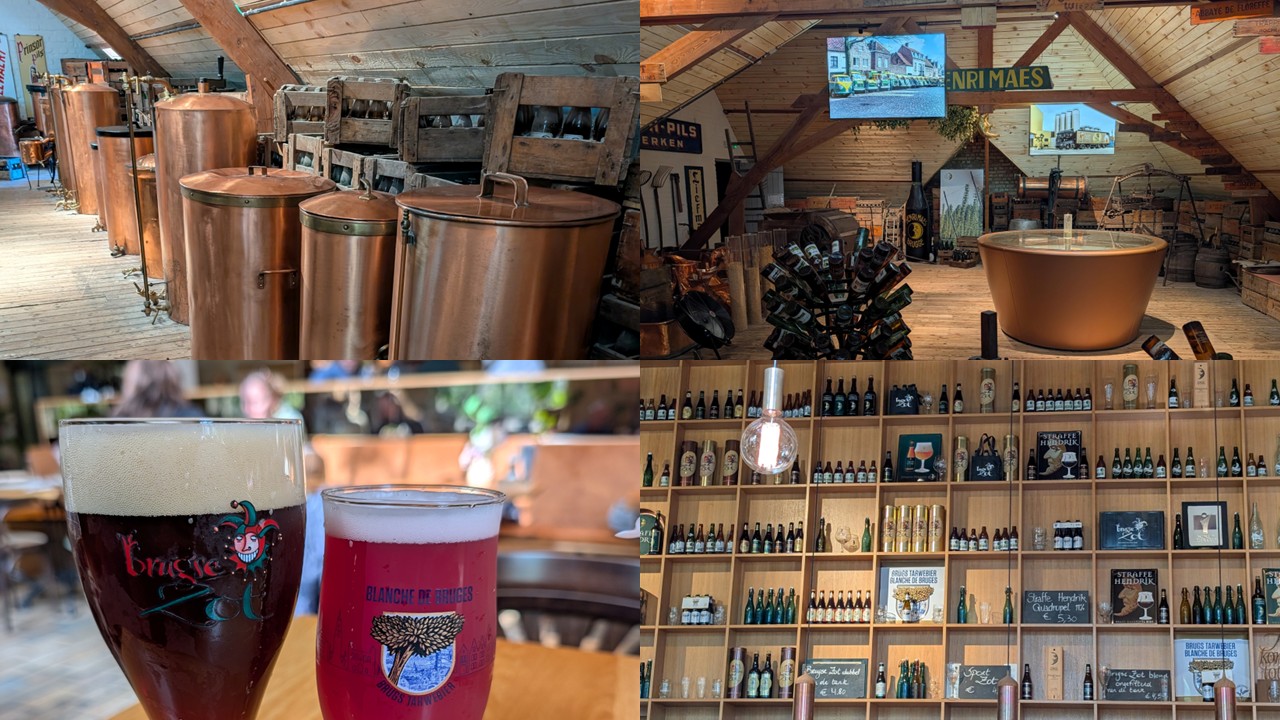
Like much of the city, it wasn’t separated from its origins. It operated within them.
During Floralien, a curated exhibition held only every few years, installations appeared across the city, near the the Botanical Garden. The setting shifted, but the underlying structure remained intact.
Floralien Gent Pic
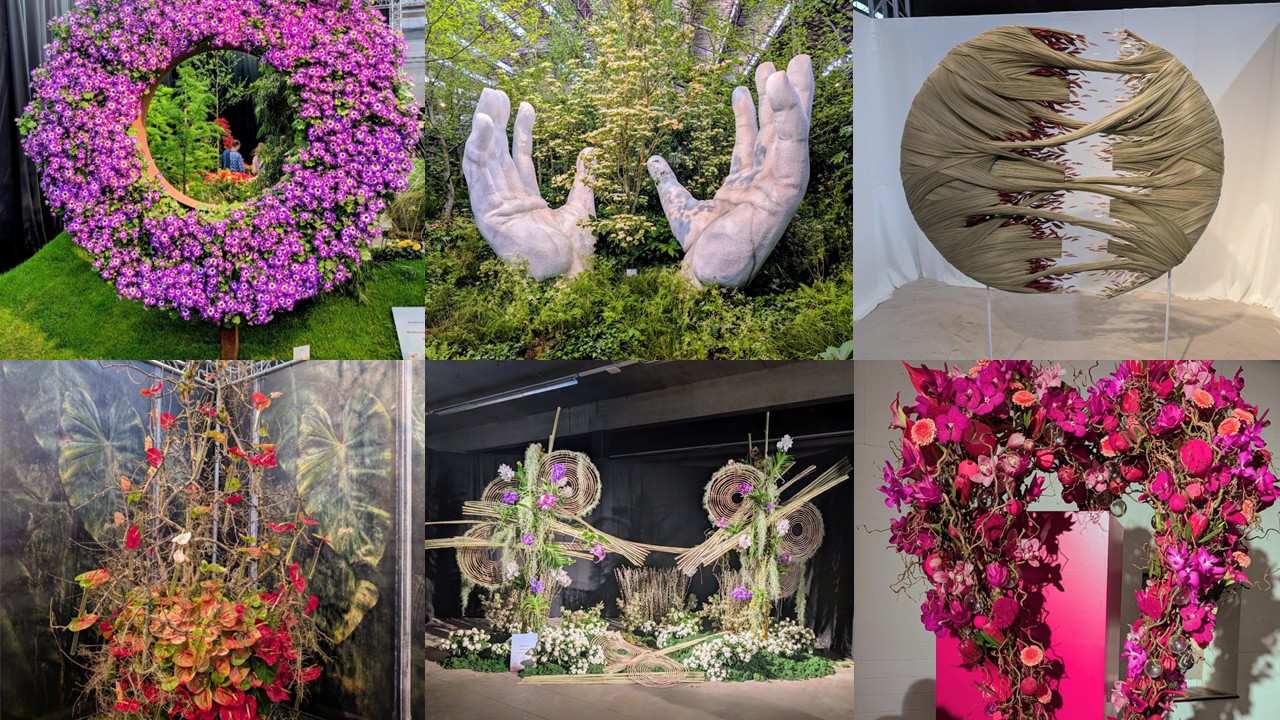
The additions were clearly intentional—designed, placed, and temporary—yet they existed within the same framework as everything else. The change was visible, but never disruptive.
What was introduced did not replace what was already there. It was layered onto it, briefly, before returning to its prior state.
That continuity extended into the spaces themselves.
A setting that once served a different purpose now operated within a modern context without losing its original structure. The experience remained consistent—refined, deliberate, and measured—without needing to emphasize its history.
Like the city, it did not present itself as something from another time. It continued within the present.
The system did not resist change. It incorporated it without losing itself.
That continuity extended through the people moving within it.
The presence of students was constant, but not disruptive. They occupied the city as part of its ongoing use—filling squares, crossing bridges, settling into routines that felt temporary individually, but consistent in aggregate.
Even the details carried a certain ease with history.
At Gravensteen Castle, the audio guide approached its subject with an unexpected tone. Descriptions of medieval life—its brutality, its crude methods, the realities of punishment and confinement—were delivered with a level of humor that made them approachable rather than distant.
Gravensteen Castle Pic
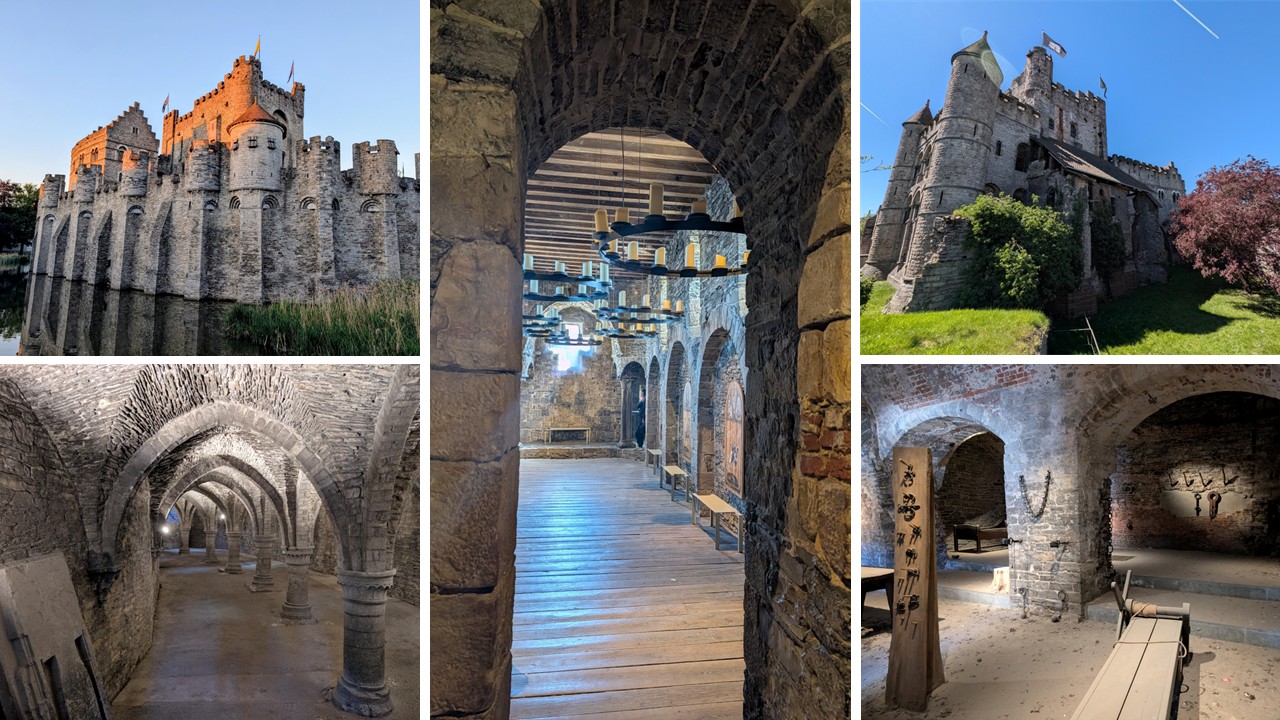
The effect wasn’t to diminish the past, but to engage with it differently. It wasn’t presented as something to observe from a distance, but something to move through and understand.
Elsewhere, buildings held their previous identities without emphasis. A hotel once served a different purpose, not hidden, not highlighted—just another layer beneath its current use.
Even symbols had shifted quietly. Swans positioned outward along the water suggested small adjustments over time, changes made without announcement.
Swans Pic
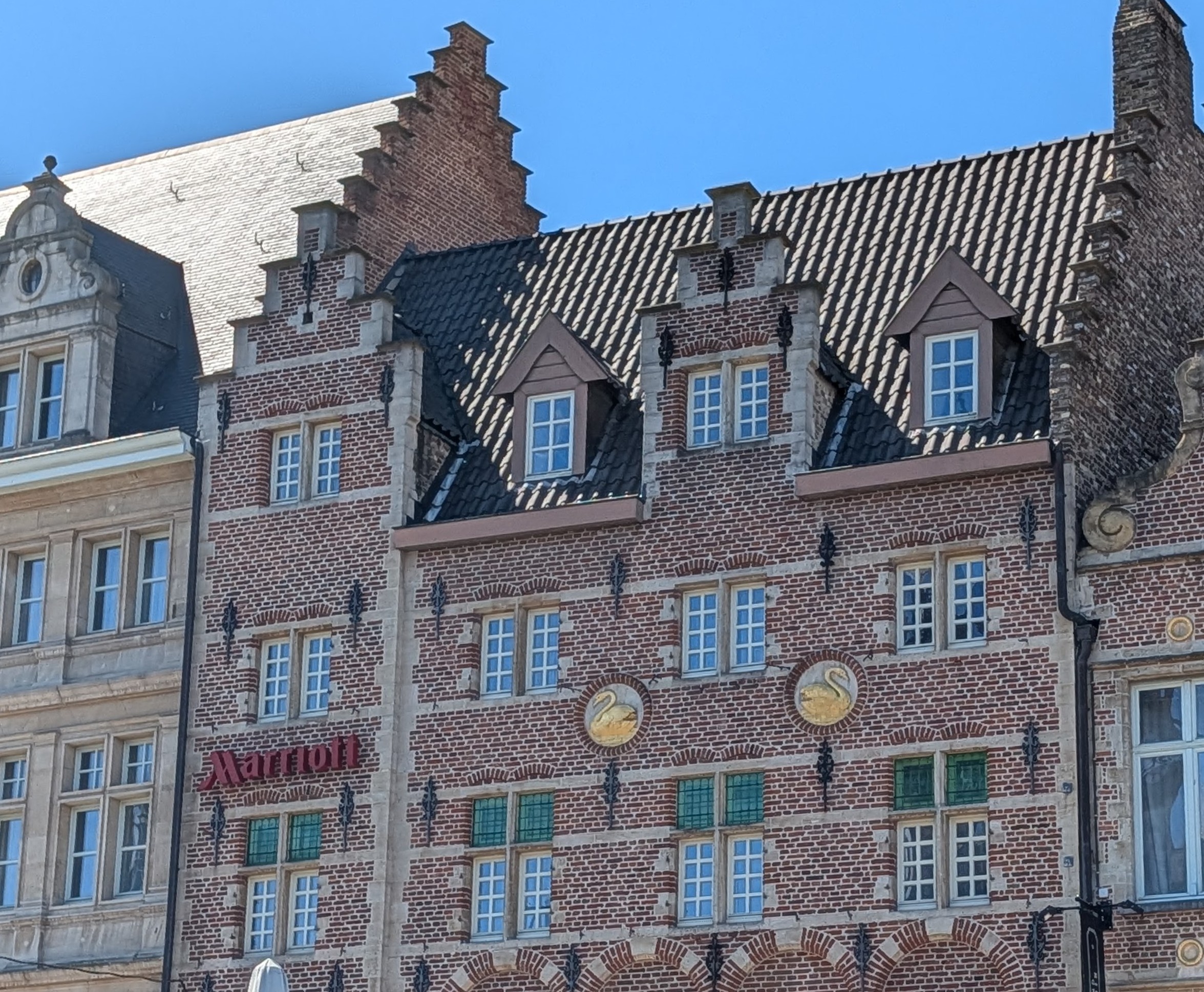
Nothing needed to be preserved as it was. It was simply continued.
Small interactions carried more weight than expected.
A stop at a local chocolatier — HD Ghent — became less about taste and more about process. Hilde DeVolder was still present late in the day, and the exchange was brief but precise. Chocolate, she explained, is not meant to be bitten. It is allowed to sit, to melt, to unfold gradually.
The difference was immediate. Flavor did not arrive all at once, but in stages — released slowly and intentionally, depending on what had been chosen. Nothing rushed, nothing forced.
The distinction wasn’t trivial. It reflected an approach shaped by attention and repetition rather than scale.
The experience changed the baseline. What had once felt sufficient now felt incomplete.
Like the city itself, it was an experience built on timing and restraint. What mattered was not just the quality, but the way it was allowed to reveal itself.
Another moment of refinement came unexpectedly.
At a small restaurant, a dish rarely encountered elsewhere—frog legs—was prepared with precision. The approach was simple: no excess, no distraction. Texture and flavor were allowed to stand on their own, the result unfolding gradually rather than immediately.
Froglegs Pic

It wasn’t novelty that defined the experience, but execution.
Like the chocolate earlier, the instruction wasn’t explicit, but implied. What mattered was not just what was served, but how it was engaged. The experience required attention, not interpretation.
Nothing was presented as exceptional. It was simply done well, and left to be understood.
Like the cities themselves, nothing was explained for effect. It was demonstrated, then left to be understood.
Markets, churches, and streets continued in their original roles.
Nothing had been preserved for observation. It had simply continued.
Brussels — Systems of Compromise
The Netherlands revealed systems that often appeared visible.
Canals. Dikes. Water control. Urban planning. The mechanisms could be seen directly.
Brussels felt different. Many of the most important systems operated less visibly. The city carried multiple identities simultaneously. Belgian. European. Regional. Historical. Modern.
The tension between those roles felt less like a contradiction and more like a condition of daily life. At the European Parliament, the scale of coordination became easier to appreciate.
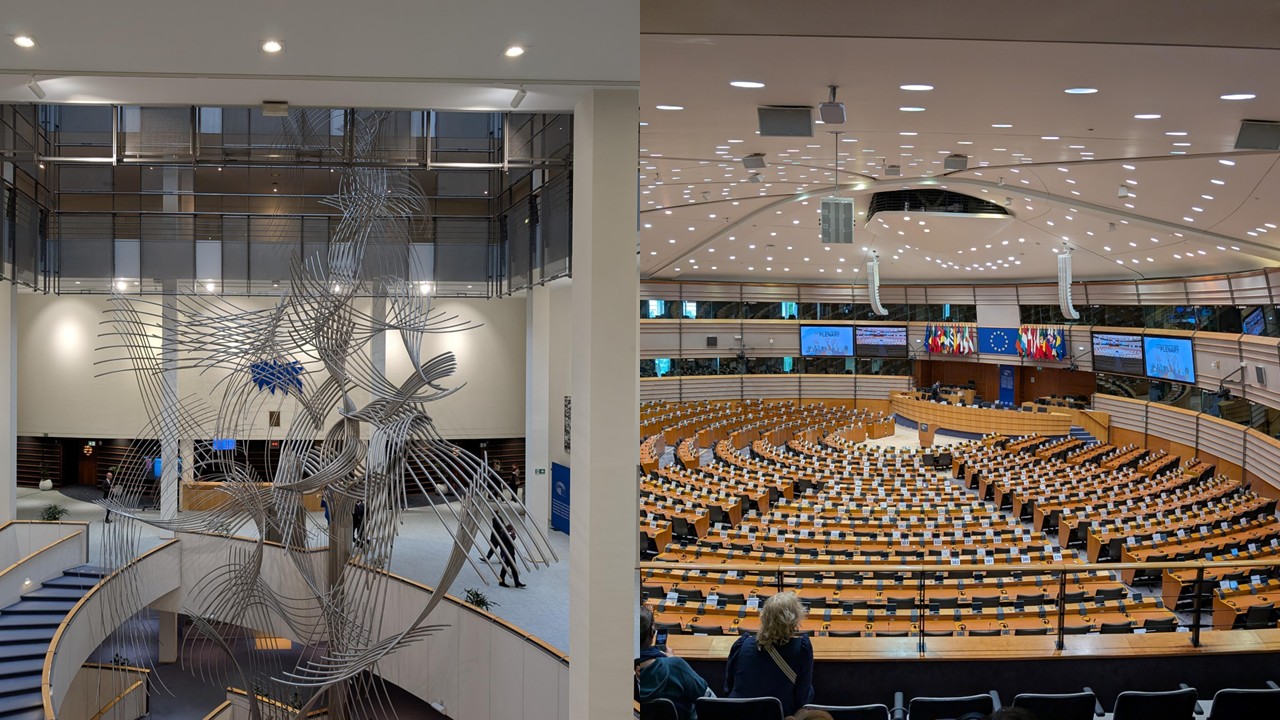
The institution exists not because differences disappear. It exists because differences remain.
Languages, priorities, histories, economies, and political traditions all continue to coexist within a single framework.
The challenge is not achieving perfect agreement. The challenge is making cooperation possible despite disagreement. That observation felt familiar.
Many of the most durable systems encountered throughout the journey did not remove complexity. They organized it. The city itself reflected that pattern.
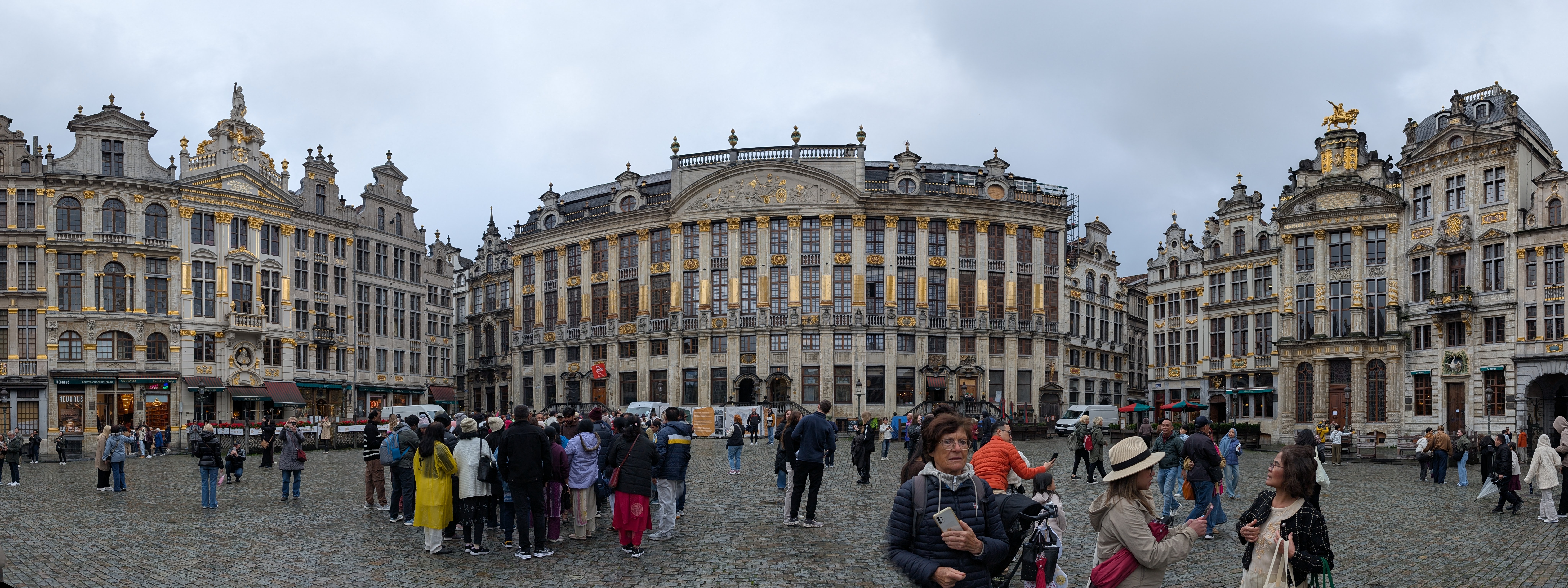
At the Grand Place, centuries of wealth, commerce, and civic ambition remained visible in stone and decoration. The buildings appeared unified at first glance. Closer inspection revealed a collection of individual guild houses, each carrying its own history while contributing to a shared identity. The square felt less like a monument and more like a lesson. Distinct parts creating a larger whole.
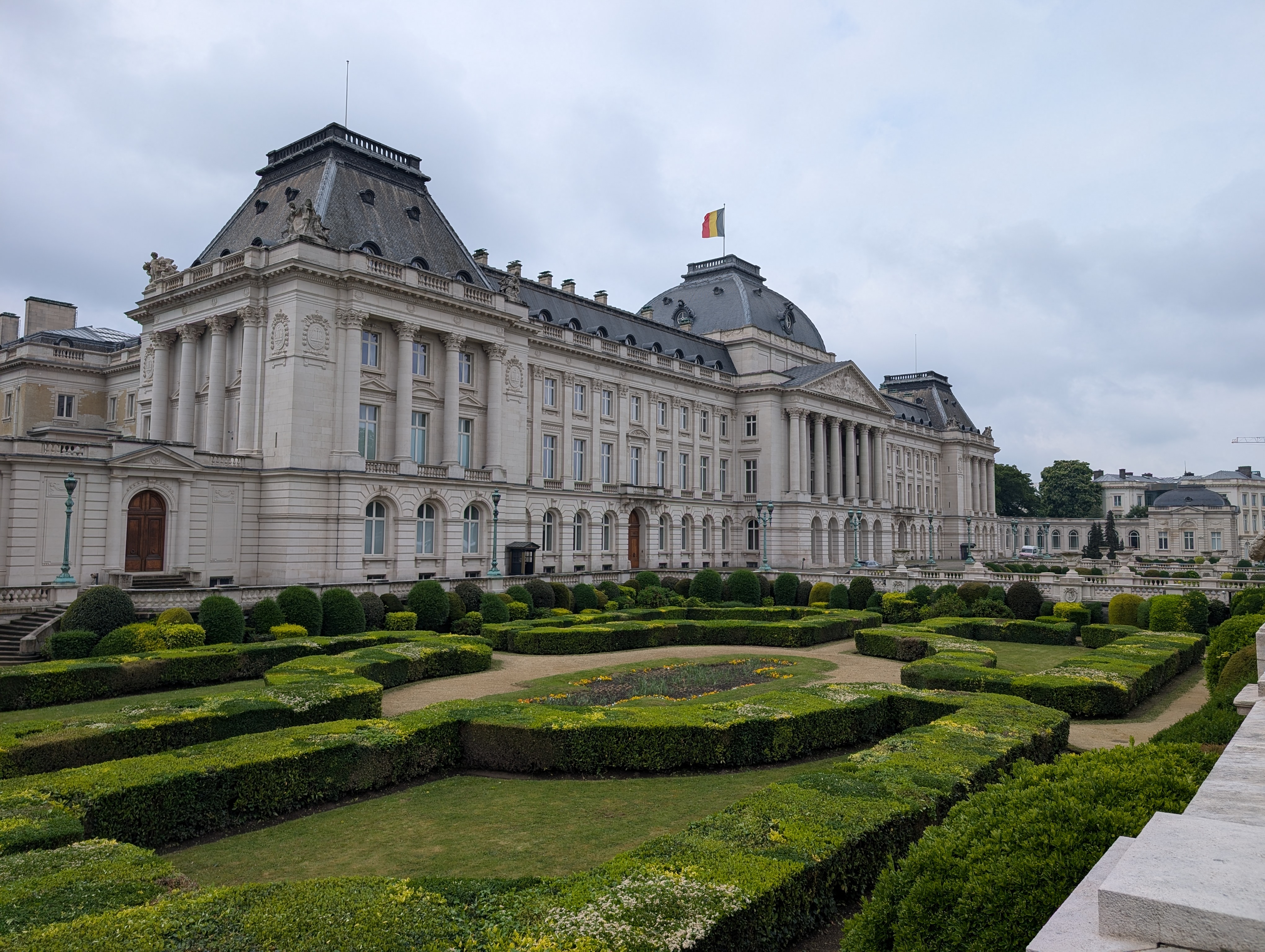
The Royal Palace and Mont des Arts revealed another layer. Power, culture, governance, and public space intersected repeatedly throughout the city. Different institutions occupied different roles, yet each contributed to a broader system extending far beyond any single building.
The House of European History added perspective. The museum rarely presented history as a straight line. Instead, it demonstrated how different societies experienced the same events in different ways.
Progress, conflict, cooperation, and division appeared repeatedly.
What changed was the framework through which they were understood. That felt like an appropriate conclusion to the Belgian portion of the journey. The systems observed in the Netherlands often sought clarity. The systems encountered in Brussels appeared designed to manage complexity.
The distinction mattered. One organized water. The other organized difference. Both represented attempts to live within realities that could not simply be ignored.
Mont des Art Pic
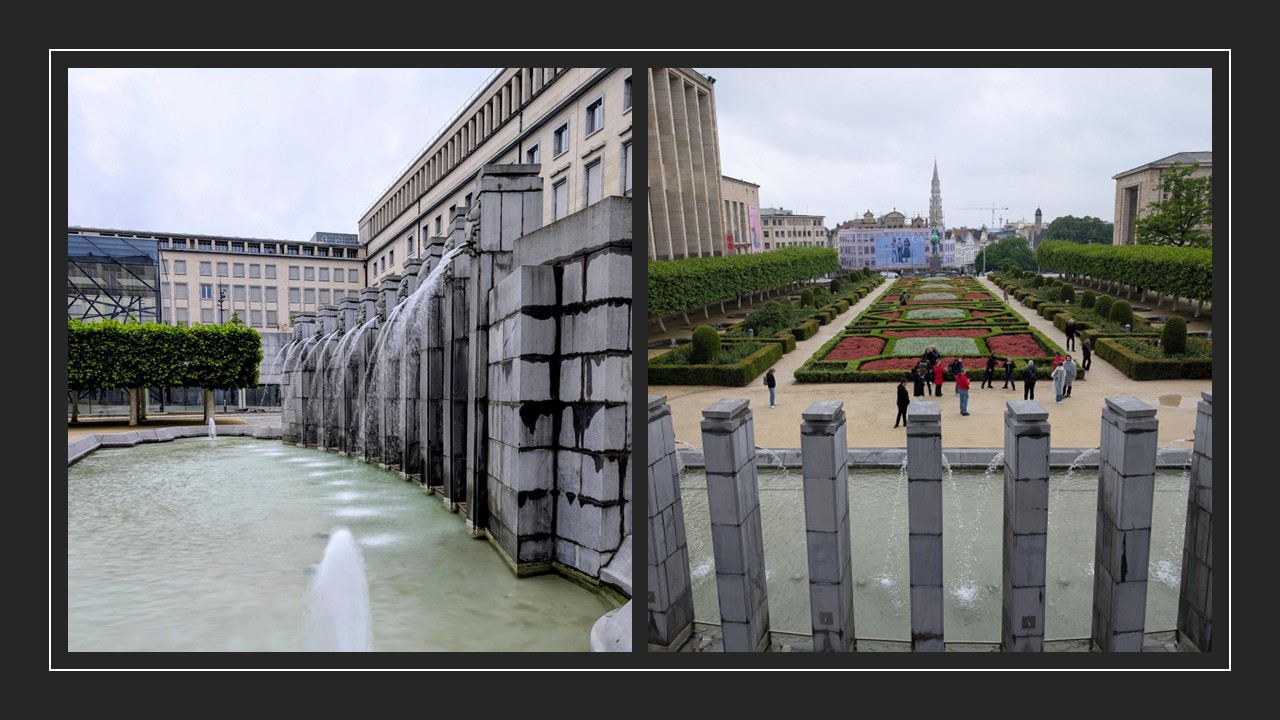
Field photographs from this journey:
View the photo archive
From here, the journey changed shape.
What had been a movement through systems would give way to something broader — less structured, more layered, and less interested in resolution.
Travel continued. The logic did not.
Bulgaria — Layers Without Resolution
Sofia shifted the register immediately.
The city did not present itself through order or continuity, but through proximity. Mosques, synagogues, and Orthodox churches stood within minutes of each other, not as curated symbols, but as active layers. Belief systems that elsewhere had been separated or absorbed remained here in parallel.
The structure was not only visible, it was in use.
Inside the Alexander Nevsky Cathedral, movement followed a different rhythm. A morning service was underway—quiet, deliberate, uninterrupted by the presence of visitors. The scale of the space remained, but its function shifted. What might be viewed as architecture from the outside became part of an ongoing system within.
Nevsky Catherdral Pic
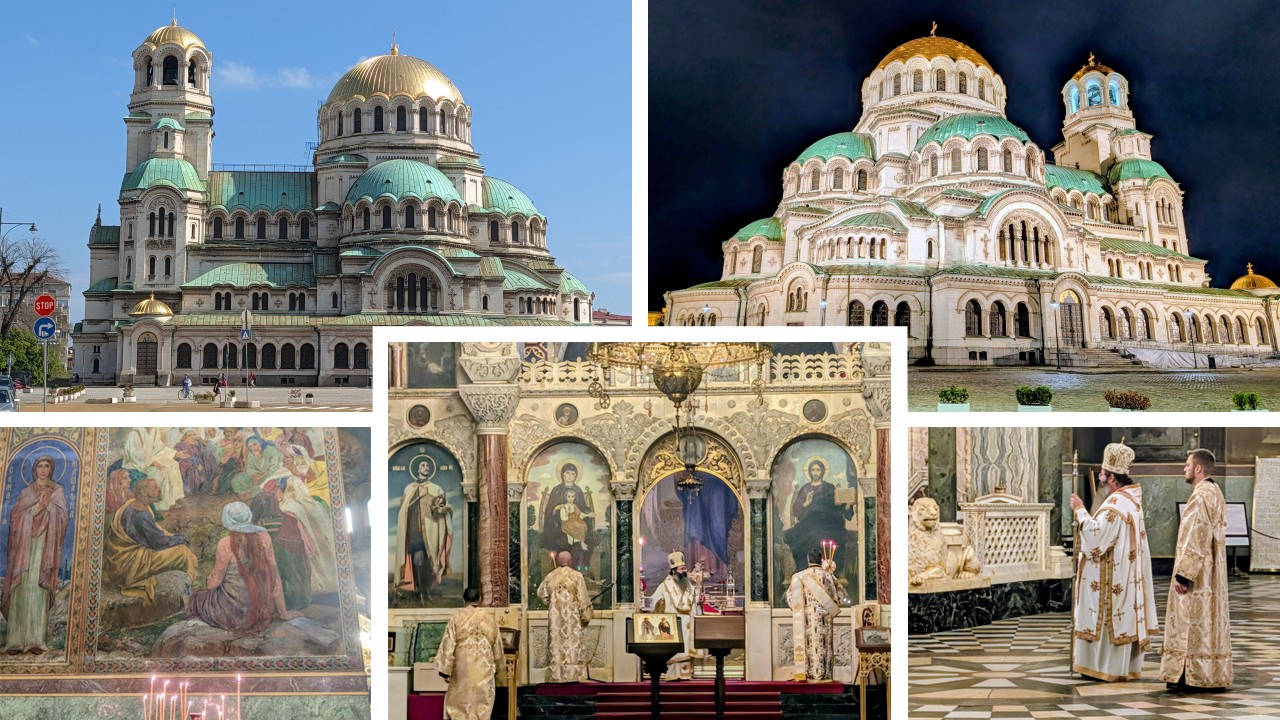
It was not presented. It continued.
Nothing was reconciled.
The system carried further than it first appeared.
At St. Sofia, the presence of earlier layers became more apparent—not through scale, but through duration. What existed here preceded much of what surrounded it, yet remained integrated within the present.
St. Sofia Basilica Pic
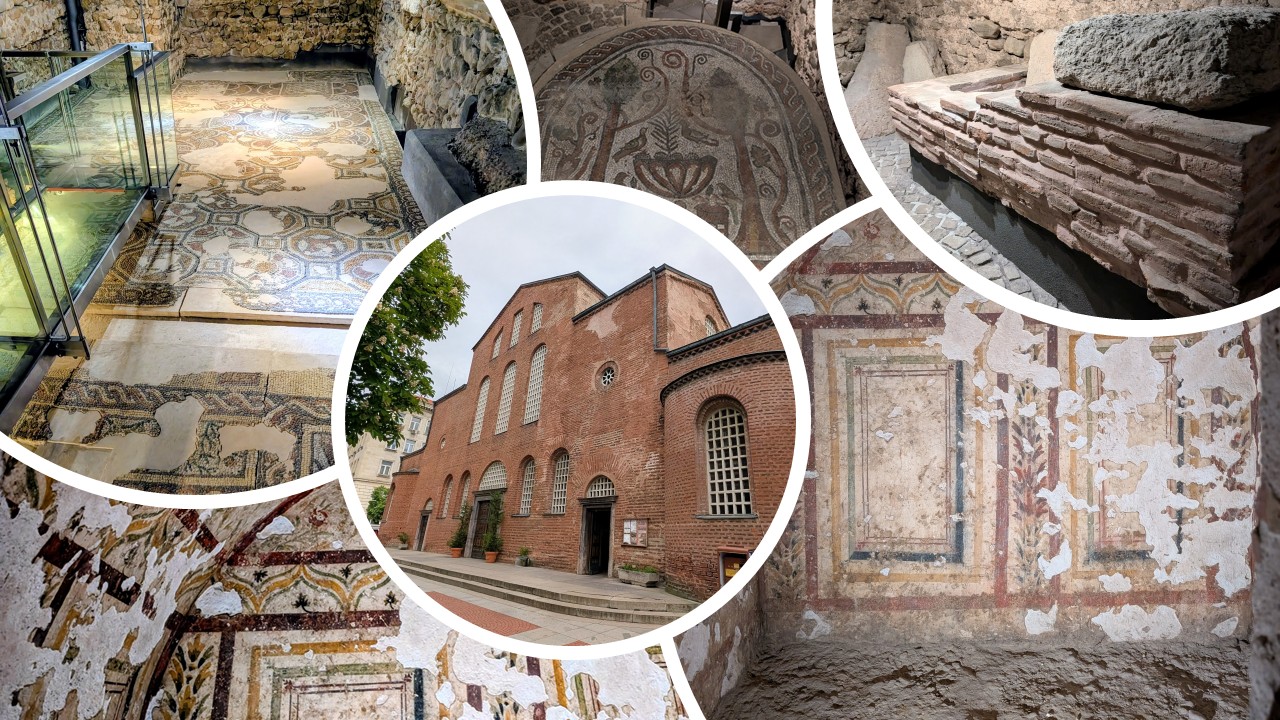
The layering extended beyond religion. Civic space carried the imprint of more recent history — a period where power was centralized, imposed, and organized differently than what we had just left behind. The scale changed. Buildings widened and flattened. Public space felt designed to control movement rather than encourage it.
The accumulation was visible beyond architecture.
Statues and monuments appeared throughout the city, fixed in place, marking different moments of history without a single narrative tying them together. They existed as separate assertions, each remaining intact within the same space.
Multiple Statues Pic
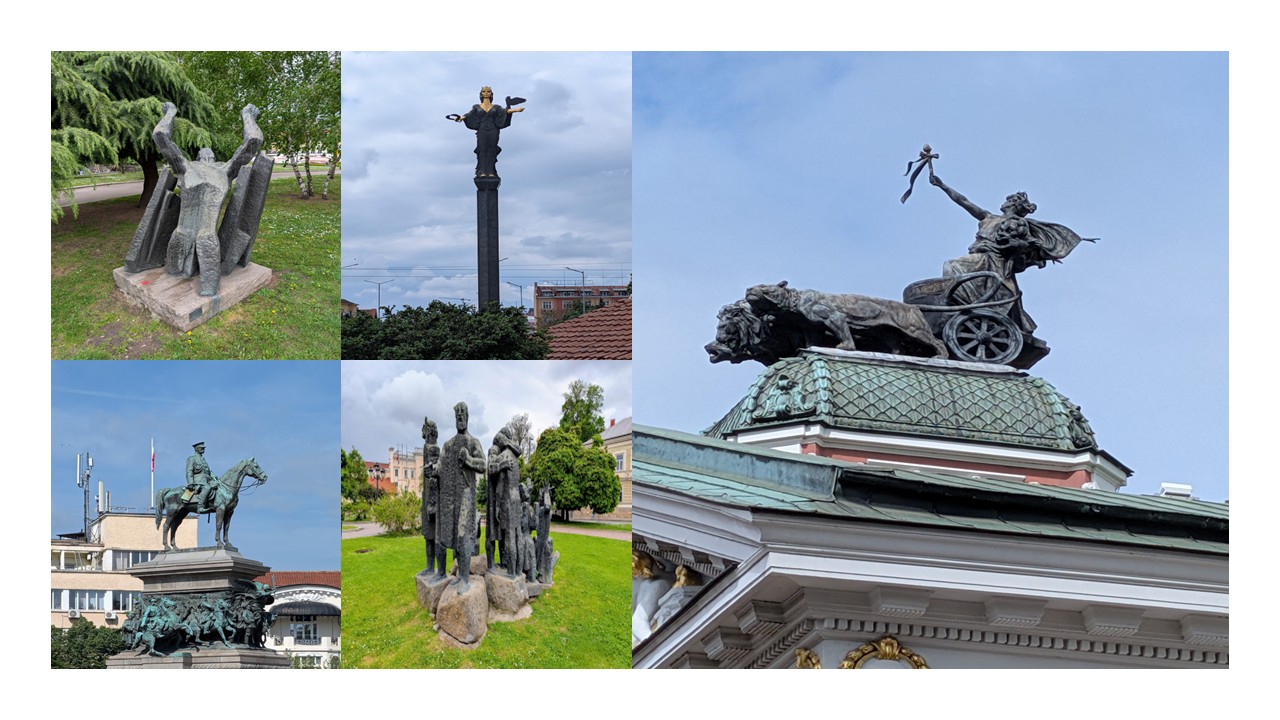
Below, earlier layers surfaced as well. Archaeological remains were not removed or isolated—they were integrated into the city’s present, visible alongside daily movement.
Nothing resolved what came before. It was all retained, occupying the same ground.
The layering extended into the present in less expected ways.
During the visit, the city was also the endpoint of an international cycling event—routes marked, streets partially redirected, movement briefly concentrated into a single flow. The scale and speed of it contrasted with everything surrounding it.
The event passed through the city rather than defining it.
What remained was not the interruption, but the persistence of everything beneath and around it.
What had been negotiated in Western Europe felt overlaid here instead.
History didn’t unfold in sequence. It accumulated. Influence arrived, reshaped the surface, and remained, even as new structures formed around it. Ottoman, Orthodox, communist, and modern civic life all occupied the same ground, none fully replacing the other.
The layering showed itself in smaller ways as well.
Even in how people moved through the city — clothing that did not seem to follow cycles of change so much as continuity. Styles felt steady, less influenced by reinvention and more carried forward as part of daily rhythm. Not uniform, but consistent.
It wasn’t a time warp. It was persistence.
The effect wasn’t disorientation. It was density.
Sofia didn’t explain itself. It presented everything at once.
Rila Monastery — Persistence in Isolation
The day began with a different kind of structure.
At the Bell Monument, unity was expressed through design—bells representing nations arranged within a defined space. The intention was clear, organized, and symbolic. Harmony was constructed, not discovered.
The Bell Monument Pic
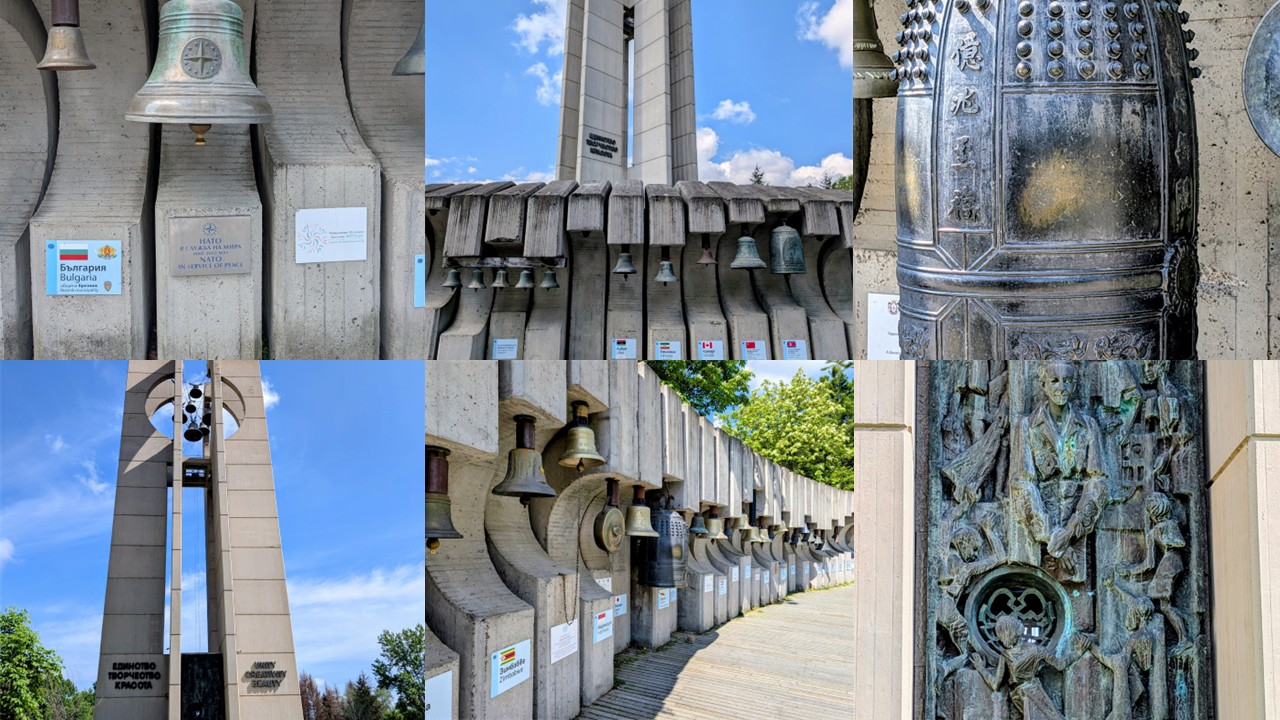
It was a system built to represent alignment.
Further into the mountains, that idea shifted.
Outside Sofia, the landscape opened quickly.
Movement changed. Density gave way to distance, and with it, a different kind of continuity. In the mountains, the Rila Monastery stood apart from everything else — not layered into a city, but removed from it entirely.
What had been compressed in Sofia was given space here.
The structure did not feel adapted or overlaid. It felt sustained. Painted surfaces, repeating forms, enclosed courtyards — all maintained through repetition rather than reinvention. Nothing suggested interruption.
Rila Monastery Pic
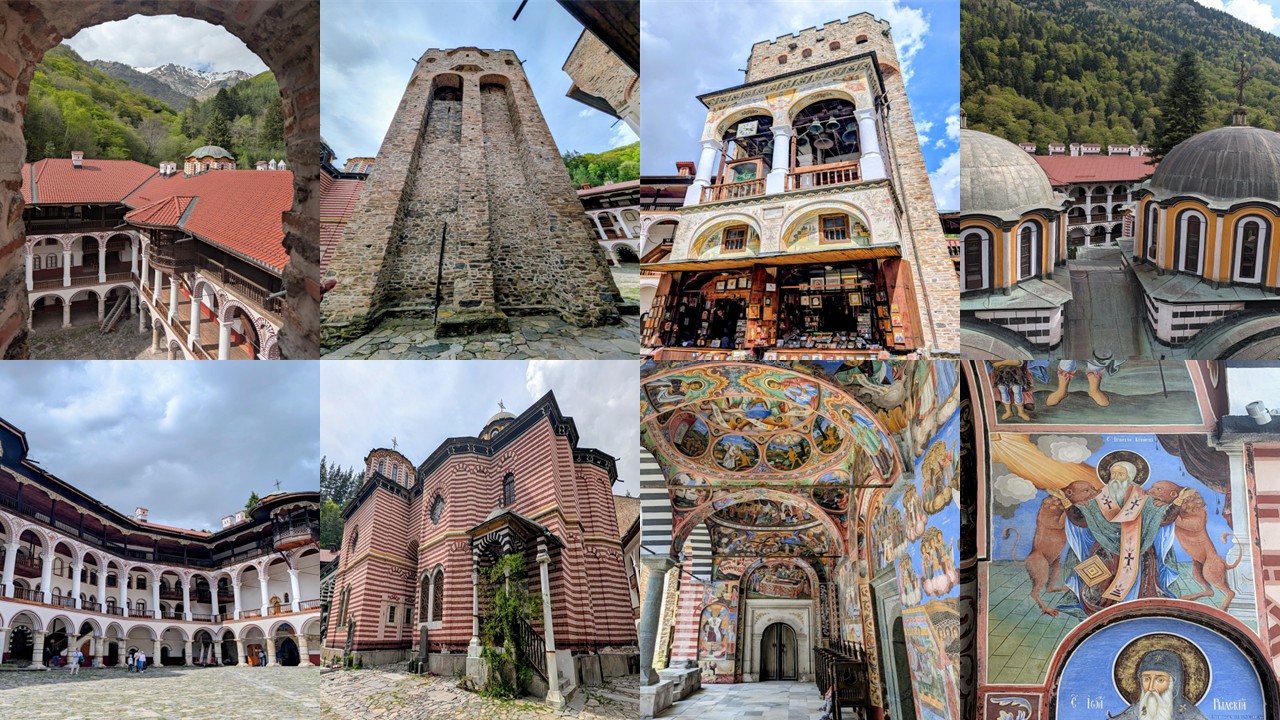
Time was not stacked. It was carried.
Where the city accumulated systems, the monastery held to one. The effect was quieter, but no less complex. Continuity here did not require negotiation. It required preservation through practice.
The structure carried a sense of origin, but it was not presented as something to be examined. It remained in use, sustained through repetition rather than explanation.
Removed from everything else, it had remained intact.
Leaving Bulgaria did not resolve what had been observed. Nothing was reconciled, only carried forward.
If anything, it clarified it. Systems could be designed, lived, scaled, or layered. But here, they had also been carried — sometimes intact, sometimes imposed, and often without reconciliation.
Movement continued east, but the expectation of order had shifted.
Field photographs from this journey:
View the photo archive
Afterthoughts
This wasn’t a journey of distance so much as a shift in structure— from systems that organize reality, to systems that absorb it, to places where reality simply remains.
What began as clarity gradually became something quieter, less resolved, and more enduring.
On movement.
Movement wasn’t measured in miles, but in change of pattern.
A canal becomes a city, a city becomes a region, a region becomes something less defined.
What felt clear in Amsterdam gave way to continuity in Ghent,
and then to density in Sofia where nothing separated cleanly.
The rhythm shifted from precision to persistence.
You didn’t just move through place—
you moved through expectations of how place should work.
On myth.
The thread here isn’t a single narrative, but a progression:
a belief that reality can be structured,
then lived within,
then carried without resolution.
In the Netherlands, systems shaped behavior.
In Belgium, behavior continued within structure.
In Bulgaria, structure remained, even when behavior and history no longer aligned.
Not one myth, but a sequence—
each place redefining what the previous one assumed.
On systems.
Some systems clarify.
They reduce complexity into something measurable and controlled.
Others absorb.
They allow variation, repetition, and continuity to hold things together without forcing alignment.
And some systems do neither.
They persist by carrying what has accumulated—
history, belief, influence—without resolving it.
Each approach felt complete within its own context.
Only through movement did their limits become visible.
On people.
The differences revealed themselves quietly.
A shop that required patience rather than instruction.
A conversation that corrected not what to do, but how to experience it.
Movement through cities where behavior followed design,
and others where design followed behavior.
Nothing was explained directly.
It was demonstrated—in pace, in presence, in how people moved through their day.
On place (what worked).
Short distances made the transitions sharper.
Trains replaced long drives, making movement continuous rather than segmented.
Cities were walked, not crossed—
allowing structure to be experienced rather than observed from a distance.
Layering the journey this way made contrast possible.
Without compression, the differences would have flattened.
If we did it again.
Spend more time between destinations, not just in them.
Return to Amsterdam early in the morning, when the system is visible without the crowd.
Let Bruges stretch into evening, when continuity becomes quieter.
Approach Sofia more slowly, allowing the shift in structure to settle.
Give Bulgaria an additional day not to see more, but to adjust.
Practical notes.
Scale matters. Small distances can carry large shifts.
Attention matters. Systems are only visible when you engage with them.
Time matters. Early mornings and transitions reveal more than full days.
Expectation matters. What works in one place does not translate directly to another.
Ethics & presence.
Move with awareness of the systems you are stepping into.
Follow, observe, and adapt before expecting clarity.
Support small places where continuity is still practiced.
Engage with patience, knowing not everything is designed to be immediate.
What stayed.
Not a single moment, but a progression—
water held in place,
streets shaped by repetition,
buildings carrying histories that were never fully resolved,
and the steady realization that not all structures aim to simplify.
Some are built to endure complexity.
This wasn’t a journey about understanding places in isolation.
It was about understanding how places hold reality—
and how that expectation changes as you move through them.
More Field Notes
See other movements across landscapes: