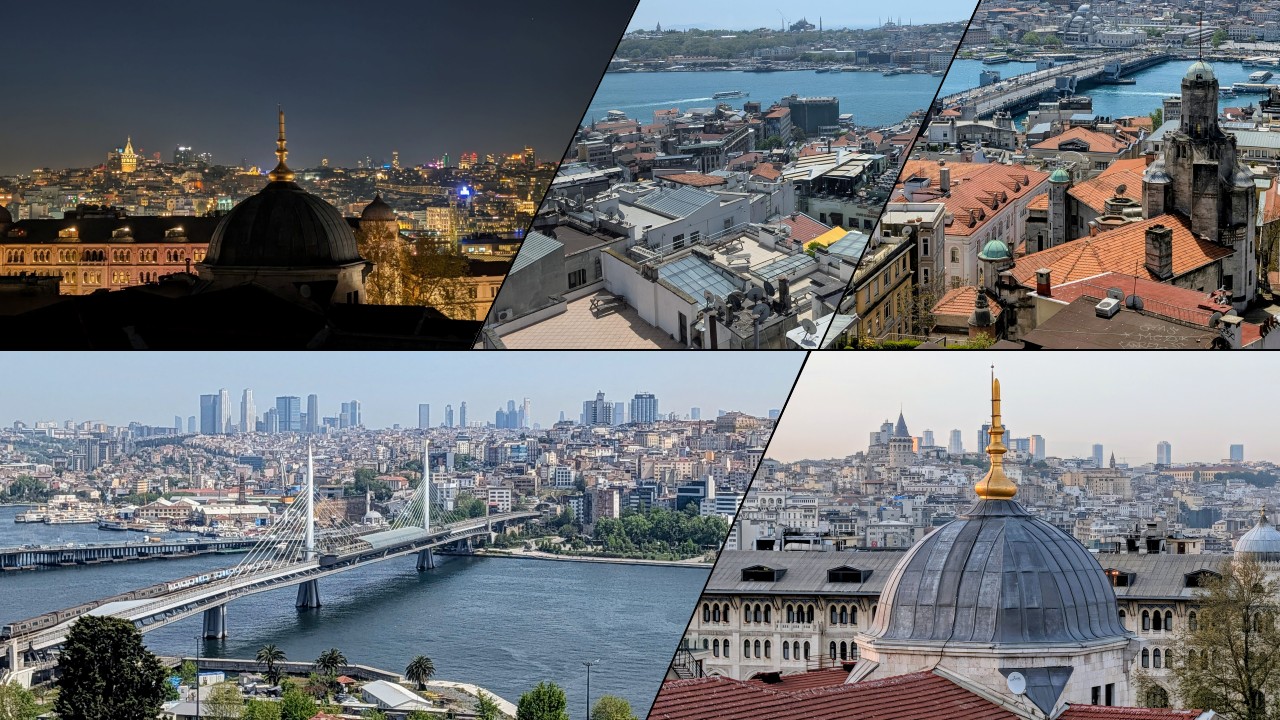
Turkey
The shift into Turkey was immediate.
What had been structured elsewhere no longer held in the same way. Systems did not separate cleanly. They overlapped—geographically, historically, and culturally—without clear boundaries between them.
The density made this unavoidable. In Istanbul, millions moved within a confined space. Movement compressed, interactions layered tightly, systems intersecting constantly.
Beyond the city, that concentration dissolved. The landscape opened quickly—space extending outward, less constrained, less defined.
The system did not change. It expanded.
What had been concentrated in one place was distributed across everything that followed.
The Route (Context)
Istanbul → Çanakkale → Troy → Pergamum → Kusadasi → Pamukkale → Konya → Cappadocia → Ankara → Istanbul
A movement across regions where systems do not resolve, but extend—shifting between density and openness, between myth and place, between continuity and redefinition.
The movement did not follow a single direction.
What appeared to extend outward across distance returned in different forms—repeating, overlapping, and reconfiguring as it progressed.
The Myth Thread — Systems Without Borders
Some systems organize and contain. Others persist through adaptation.
In Turkey, systems do neither cleanly.
They overlap.
What begins in one place does not end there. It extends—across geography, across time, across meaning—without resolving into a single form.
Myth becomes place. Place becomes system. System becomes practice.
What appears separate remains connected.
What appears complete remains open.
The structure does not hold things apart. It allows them to converge.
The Itinerary (Reference)
View full day‑by‑day itinerary
Day 1 — Arrival Morning in Sofia parks → Flight to Istanbul → Evening arrival
Day 2 — Istanbul Basilica Cistern → Suleymaniye Mosque → Kariye Mosque → Orientation
Day 3 — Istanbul Hagia Sophia → Hippodrome → Spice Market → City exploration → Galata Tower
Day 4 — Western Turkey Drive to Çanakkale → Visit Troy
Day 5 — Pergamum Pergamum → Asclepieion → Drive to Kusadasi
Day 6 — Kusadasi Coastal day / Pigeon Island walk
Day 7 — Pamukkale Hierapolis → Travertine terraces
Day 8 — Konya Mevlana Mausoleum → Sufi Whirling Dervish context
Day 9 — Cappadocia Transfer Caravanserai → Local village
Day 10 — Cappadocia Balloon ride → Rock formations → Underground cities
Day 11 — Ankara Atatürk Mausoleum → Capital structure
Day 12 — Return to Istanbul Bosphorus boat ride → Grand Bazaar
Day 13 — Final Day Departure
Istanbul Bosphorus Pic
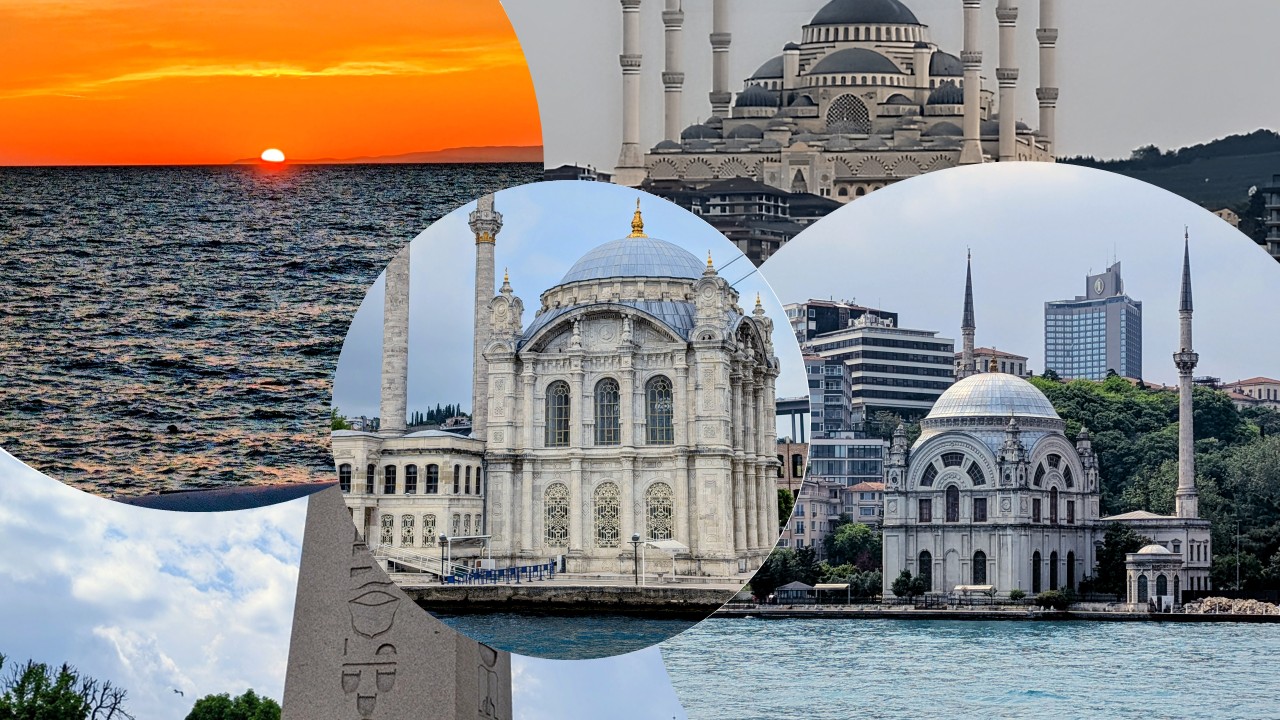
Istanbul — Where Systems Converge
Arrival into Istanbul shifted the framework immediately.
What had felt layered elsewhere no longer held in sequence. Systems overlapped here—visible at once, operating within the same space without separating into distinct parts.
The density reinforced it. Movement compressed quickly—millions within a confined area, interaction constant, adjustment required at every step.
Nothing operated in isolation.
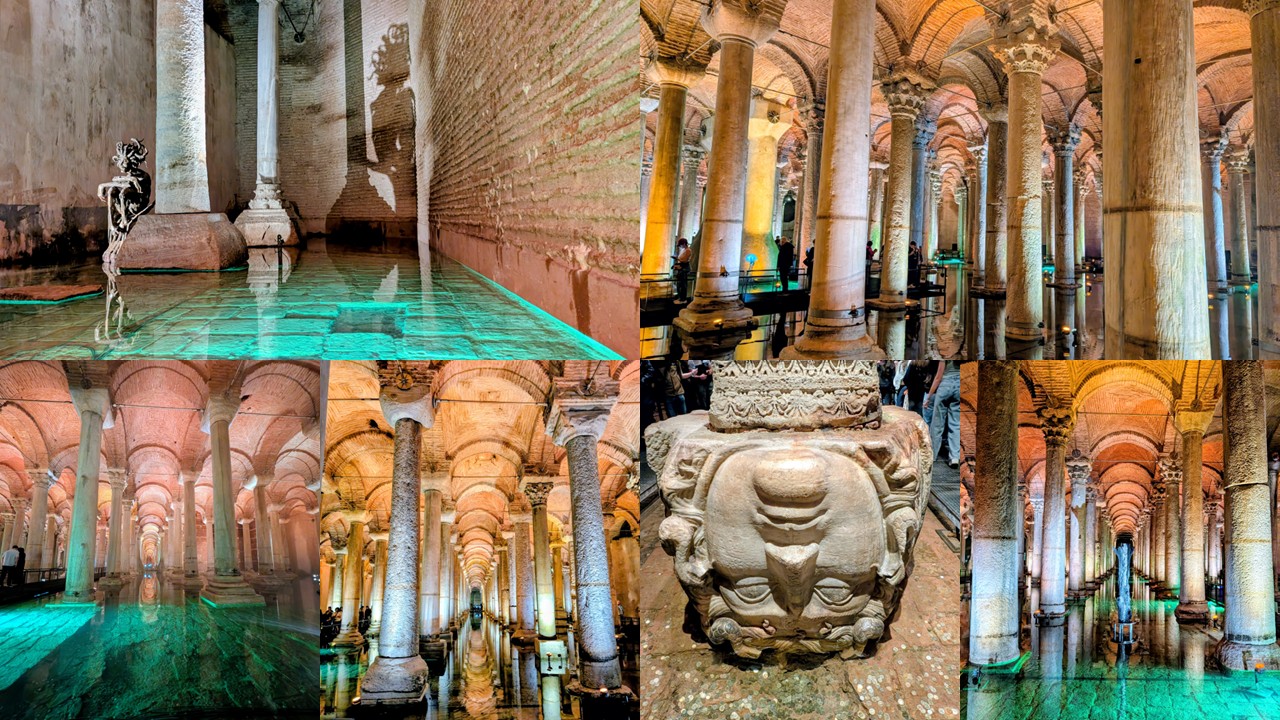
Below ground, water was contained within structures built centuries earlier, still functioning beneath the city above. The Basilica Cistern did not feel removed from its origin. It remained within the system, integrated rather than preserved.
Basilica Cistern Pic
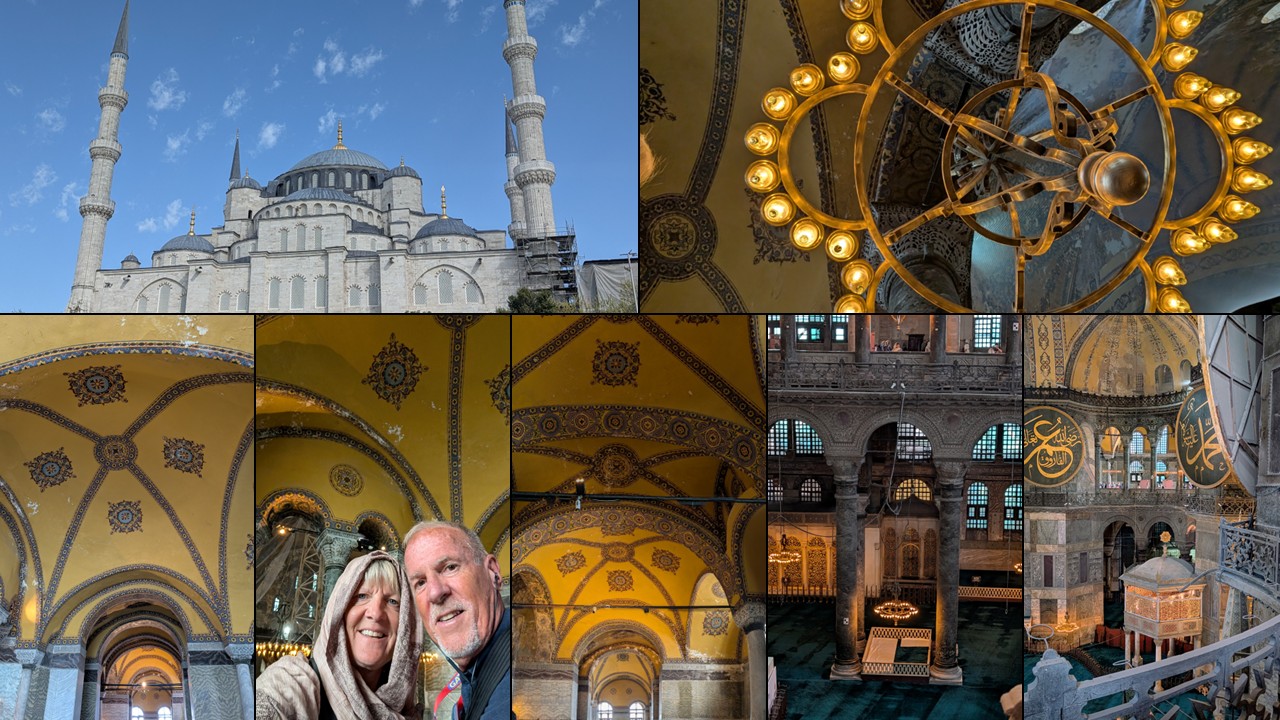
Above, structures carried multiple identities at once. Spaces that had shifted purpose over time continued to operate without resolving what they had been. Form persisted even as function changed.
Some elements remained partially obscured.
At Hagia Sophia, portions of the structure were undergoing restoration. Sections were covered, the full form not entirely visible. It did not present itself as complete.
The structure remained in transition—its layered identities ongoing rather than resolved.
Hague Sophia Pic
Movement between them required constant recalibration.
Some spaces structured movement more deliberately.
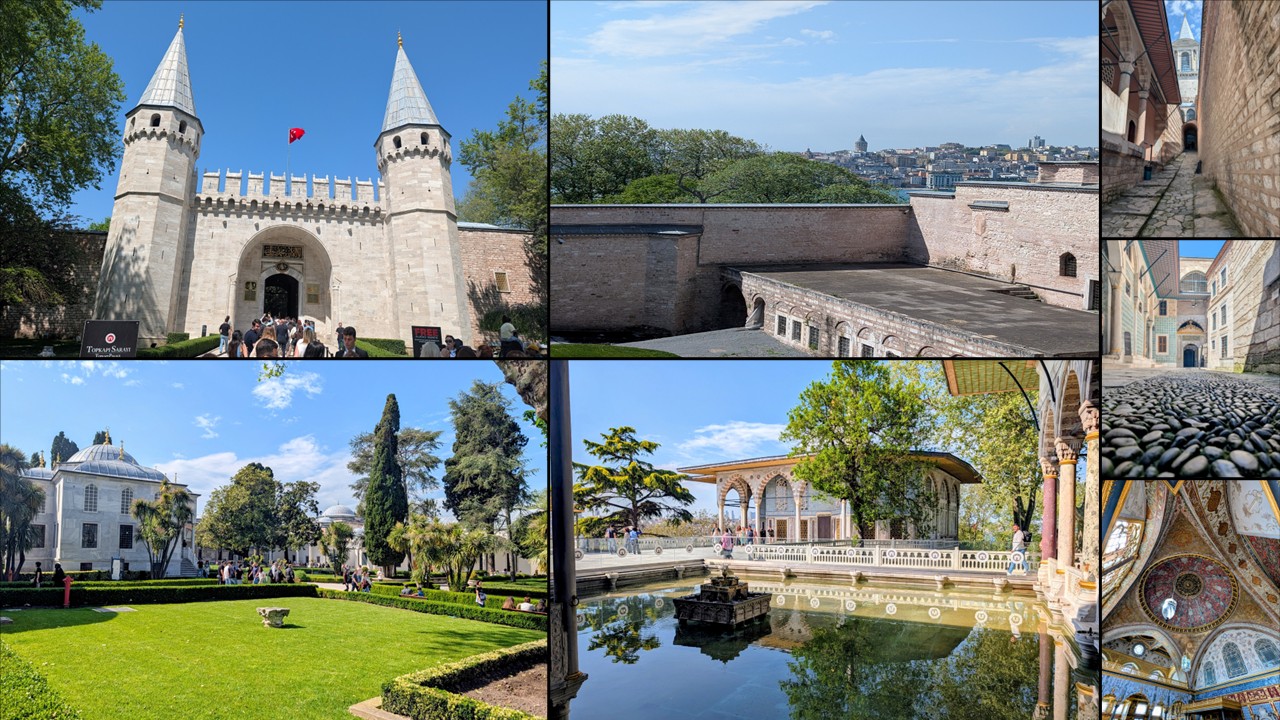
Within a large, enclosed complex, progression followed a defined sequence—entry giving way to increasingly restricted spaces, each organized with a specific function. Movement was not continuous, but directed.
The system did not emerge through accumulation.
It was designed to organize authority within it.
Topkapi Palace Pic
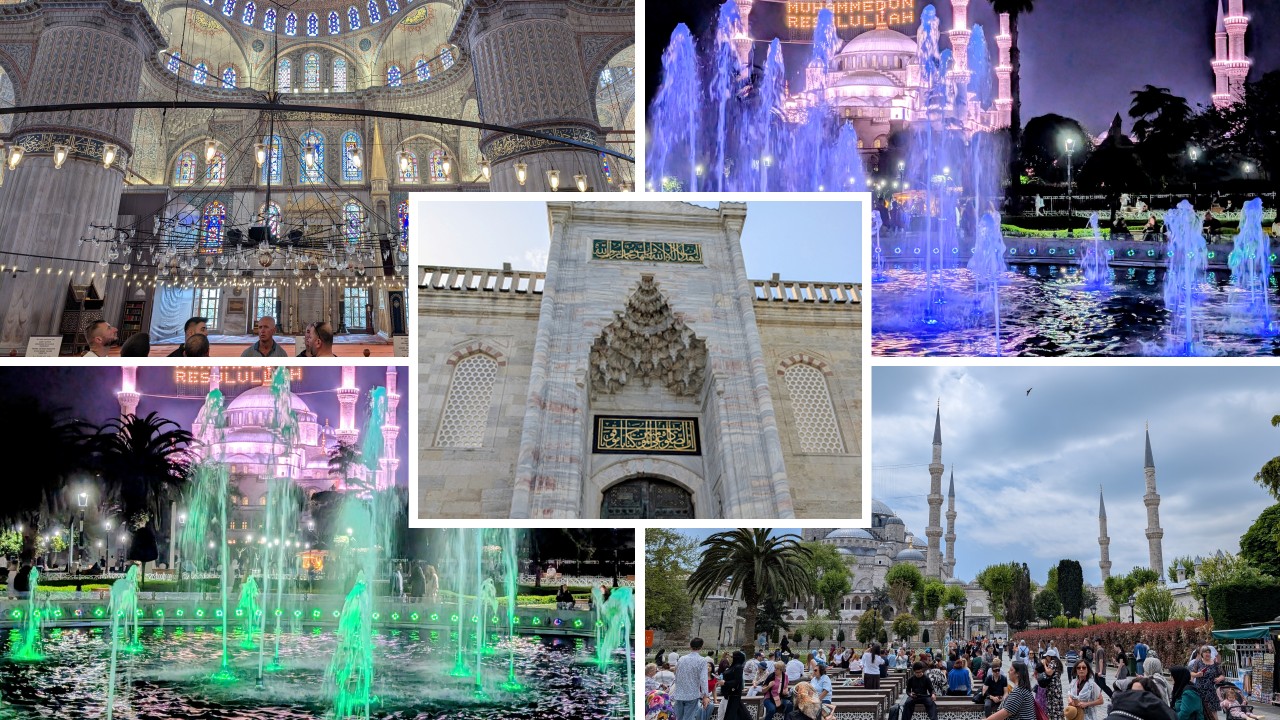
In the mosques, the scale expanded, but the rhythm remained deliberate—daily use continuing within structures shaped by earlier systems. Outside, movement condensed again. Markets narrowed space, drawing activity inward, concentrating interaction.
Blue Mosque Pic
Geography reinforced the pattern. The city extended across water, connecting continents without dividing them. Movement remained continuous.
The experience did not unfold in stages. Everything was present at once.
What had been layered elsewhere converged here—visible, active, and unresolved.
In quieter moments, that convergence became more contained.
In a historic setting, past and present existed without separation. The space carried its history visibly, but remained fully in use—its function unchanged even as its meaning extended across time.
Pera Palace Pic
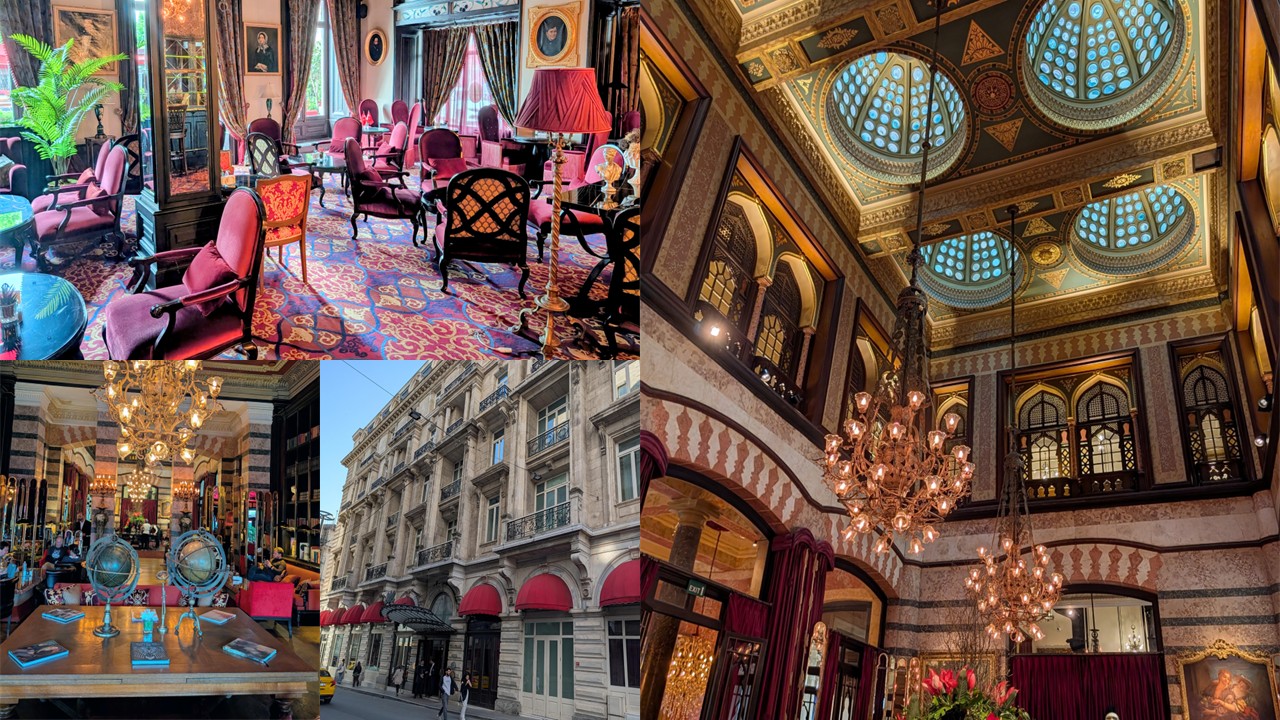
It did not present itself as something preserved.
It continued.
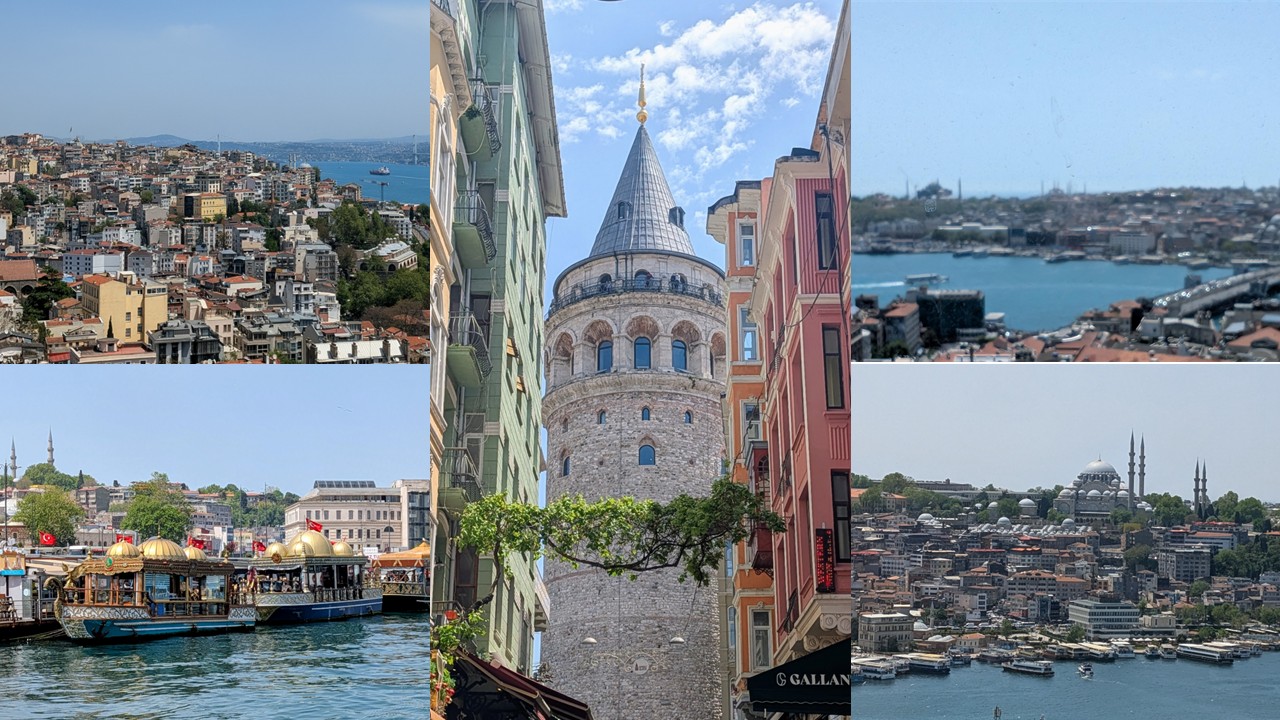
At a higher vantage point, the pattern became more visible.
From above the city, the density no longer felt compressed. What had been encountered as movement and adjustment below revealed itself as structure—layers extending outward, intersecting without separation.
The systems did not resolve from that perspective.
They aligned.
Galata Tower Pic
Western Turkey — Where Myth Becomes Place
Movement away from Istanbul did not simplify the system. It extended it.
What had been overlapping within a single space began to stretch outward across distance. The density gave way to openness, but the underlying pattern remained.
At Troy, what had existed as story appeared as location.
The place carried a familiarity shaped elsewhere—constructed narratives, simplified depictions, versions that suggested resolution. Encountering the site made the difference clear. What had been presented as complete remained fragmented, layered, and unresolved.
The ground held multiple versions at once.
Troy Pic
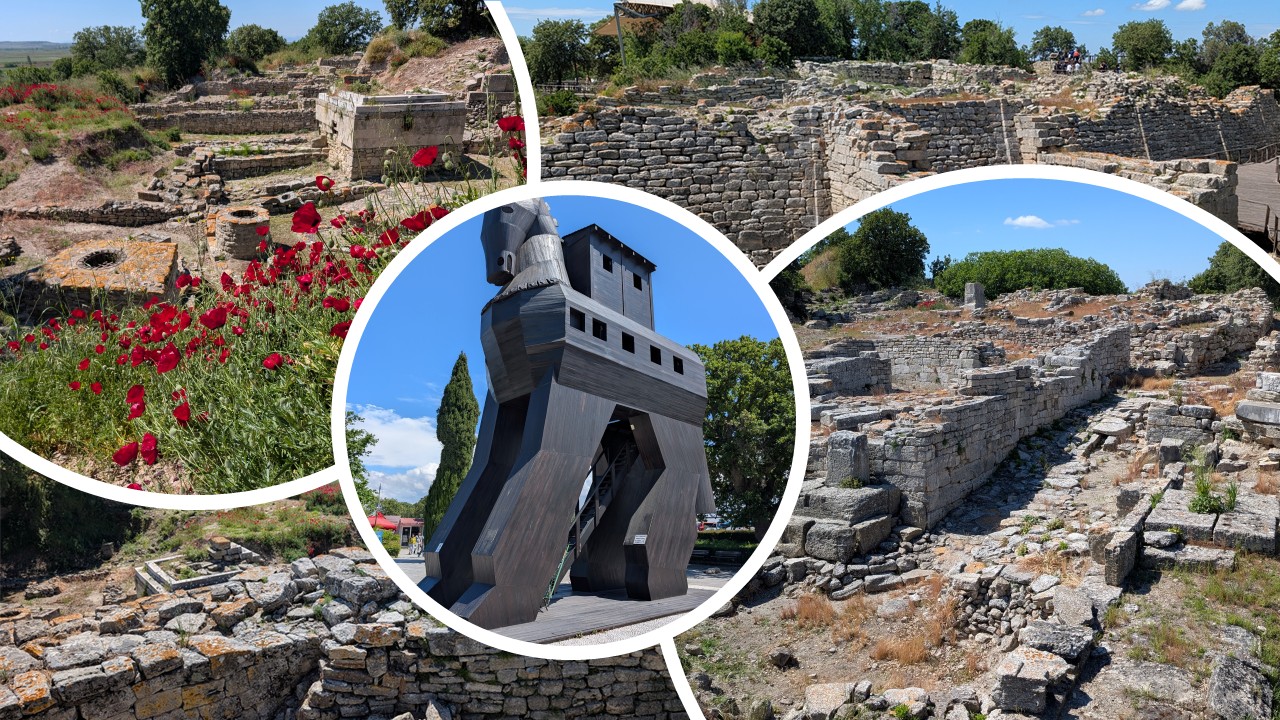
Elsewhere, the pattern continued. Systems of healing, governance, and daily life had been built, reused, and layered over earlier foundations. Each addition remained visible, none fully replacing what came before.
Movement did not separate past from present.
It collapsed them.
The system did not define meaning. It allowed it to accumulate.
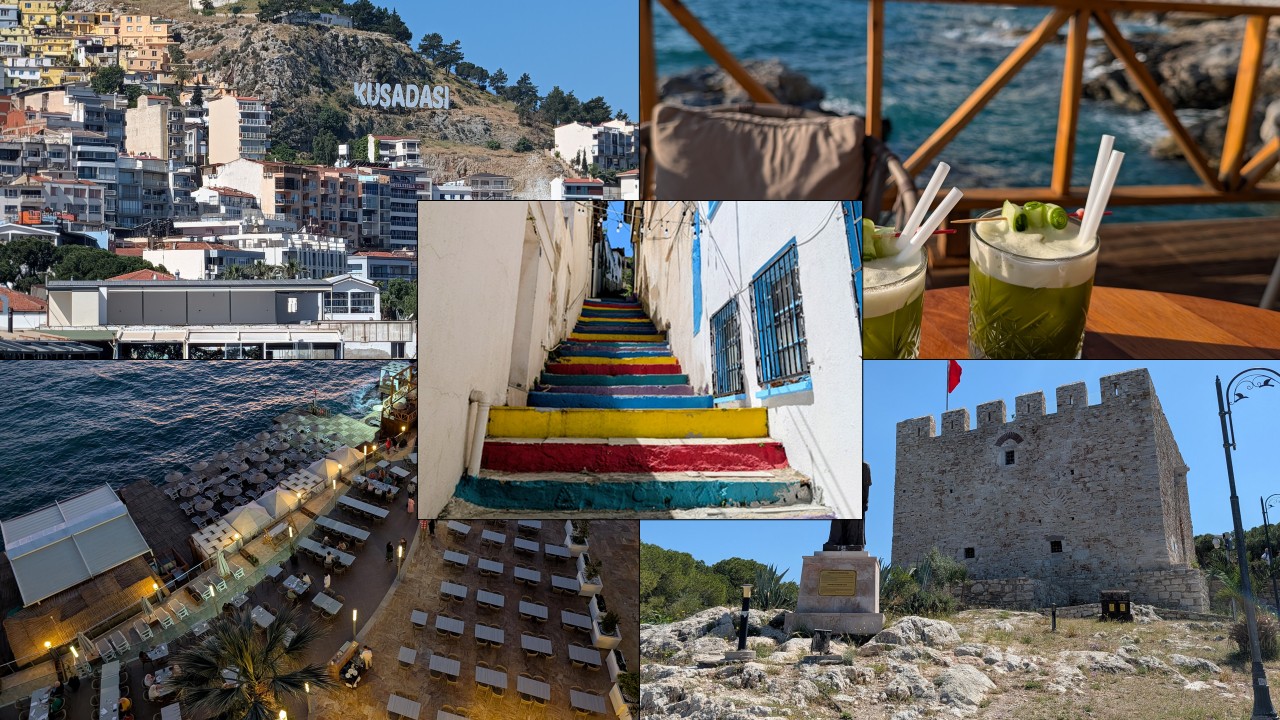
Along the edge of the water, a familiar setting returned.
The structure was smaller, more contained, but unchanged in its presence. What had been experienced before did not require adjustment. It remained consistent, situated within the same rhythm of place.
Not everything shifted through movement.
Some places remained as they were.
Kusadasi Pic
Pamukkale — Systems Formed from Environment
Further into the country, the distinction between structure and environment began to narrow.
At Pamukkale, natural formation had been shaped into sustained use over time. The terraces appeared layered and continuous, formed gradually, yet carrying evidence of repeated human interaction.
Pamukkale Pic
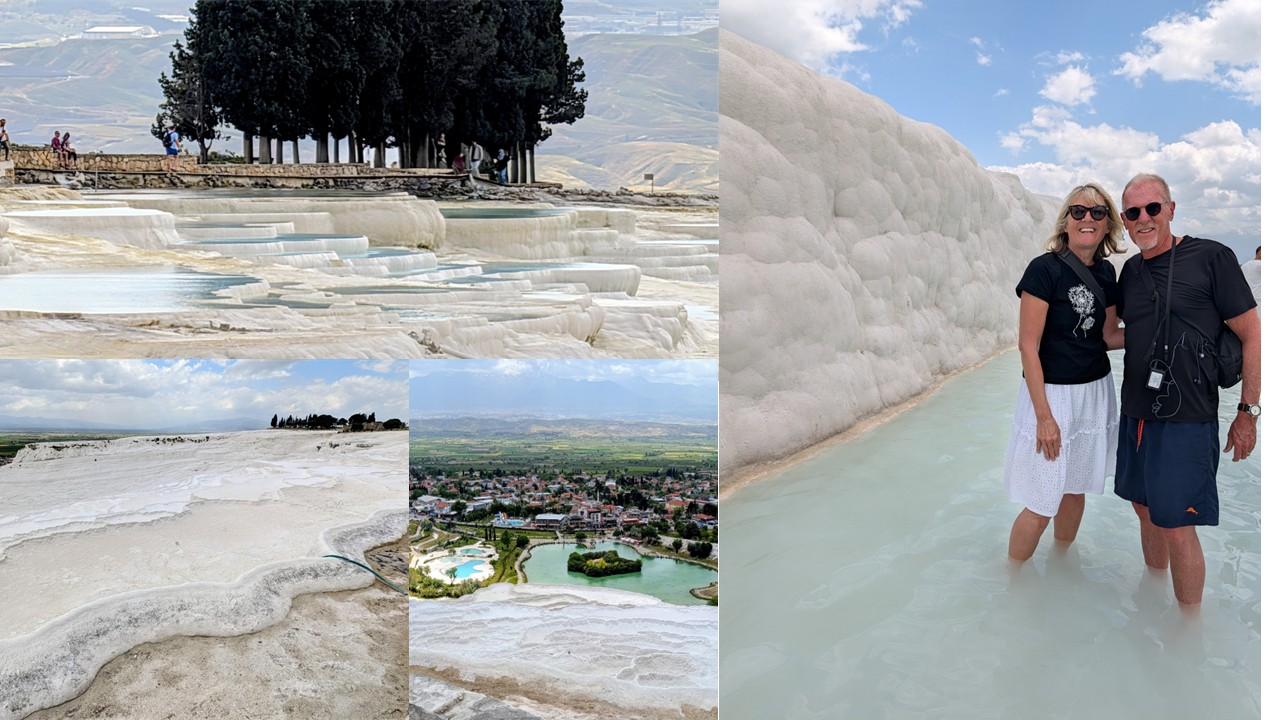
The significance extended beyond the site itself.
What had developed through continuous use was later recognized formally, but the designation did not define its importance. The system had existed long before it was named or protected.
Recognition followed persistence, not the other way around.
Adjacent to it, the remains of Hierapolis extended the pattern. Structures aligned with what had drawn people there, remaining connected to the environment rather than separate from it.
Hierapolis Pic
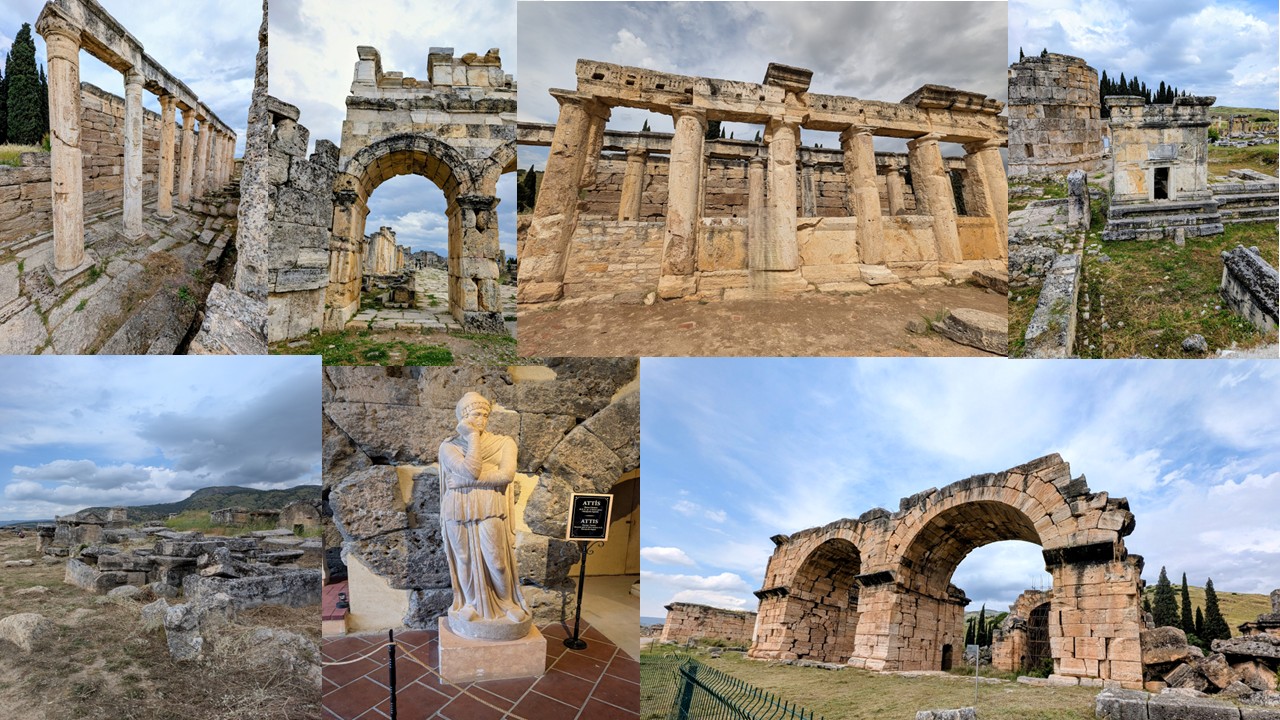
Nothing stood apart.
The environment was not observed from a distance. It was incorporated and maintained.
The system did not impose itself on the landscape.
It emerged through it.
Konya — Systems Within
Movement shifted inward.
What had been visible in structure, landscape, and form no longer presented itself in the same way. The system did not disappear, but it became less external.
Between destinations, the system revealed another form.
At a caravanserai, movement itself had been structured. What appeared as a fixed, enclosed space was designed not for permanence, but for passage—supporting those moving through rather than those remaining.
The structure did not evolve through continuous use in one place. It functioned as part of a larger network, repeated across distance, consistent in purpose rather than form.
What passed through it was transient.
What remained was the system that made that movement possible.
Sultanhani Caravanserai Pic
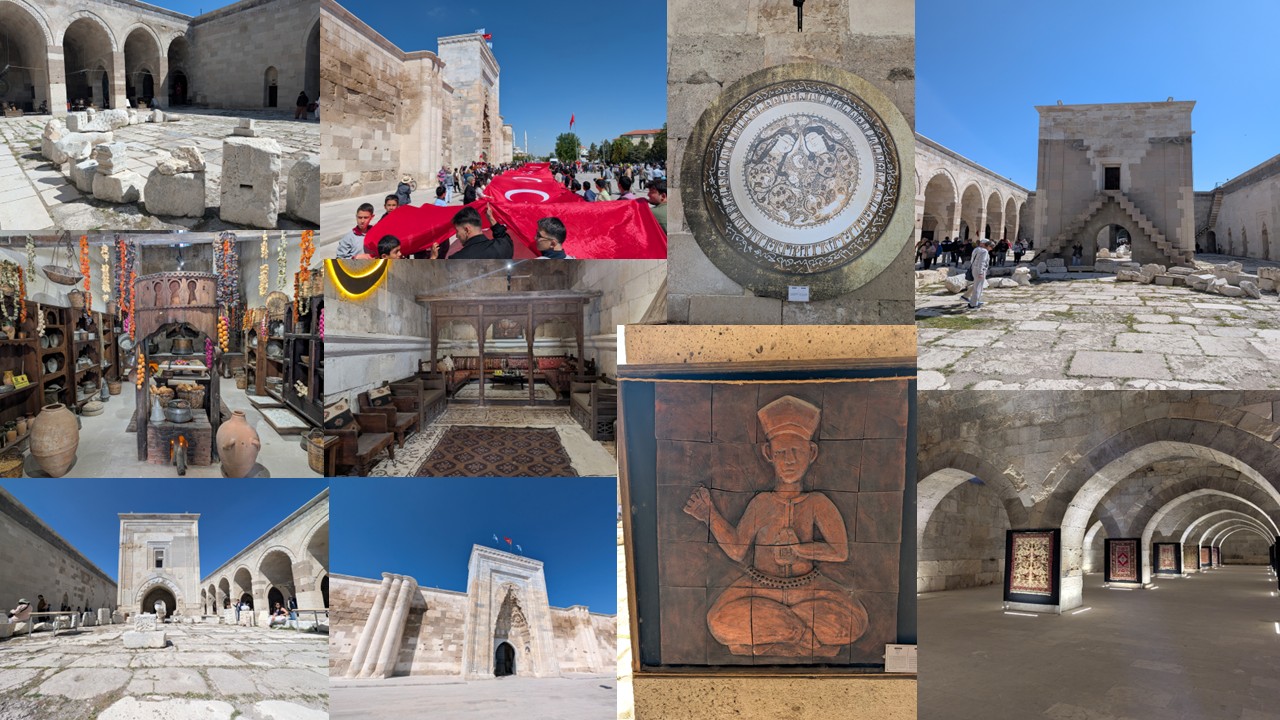
In Konya, continuity was expressed through practice.
At the mausoleum of Mevlana, the rhythm changed—quieter, deliberate, sustained. What had been layered or structured elsewhere now appeared as something internal, carried through repetition rather than visible form.
Whirling Dervish Pic
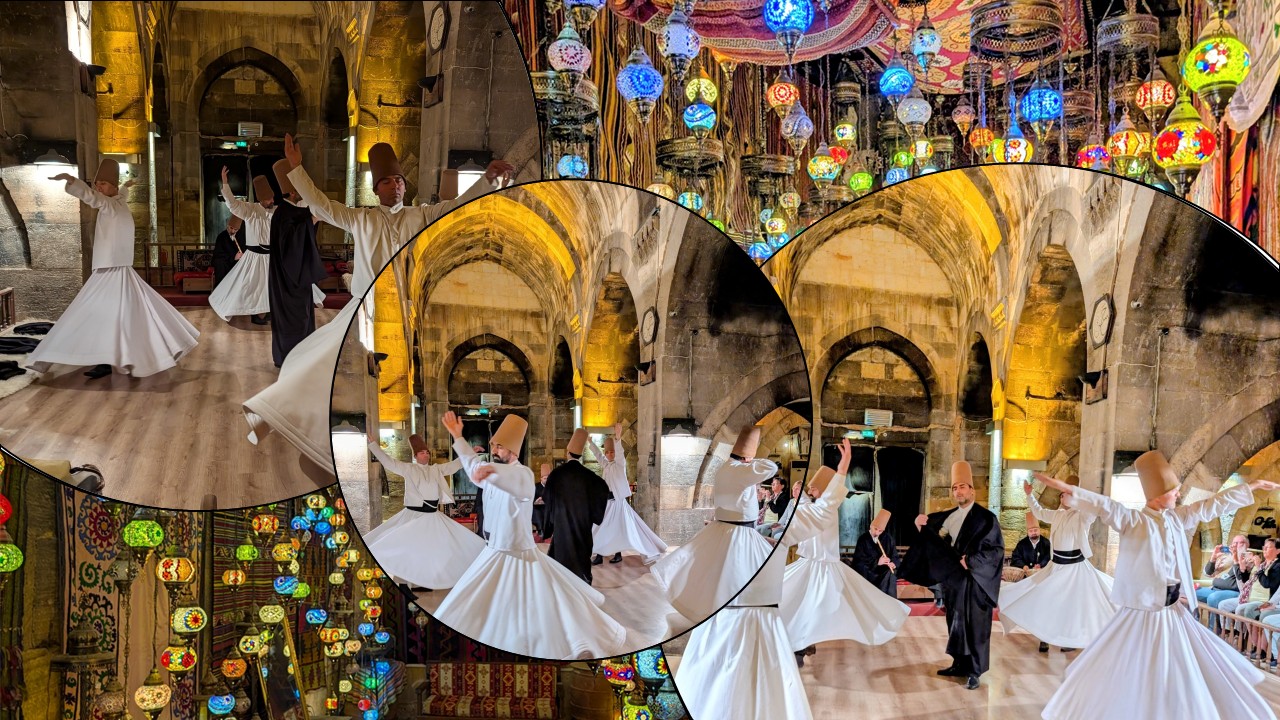
The structure remained, but it was not the focus.
What persisted was not the space, but the meaning it supported.
Nothing needed to be reinterpreted. It remained consistent.
The system did not extend outward.
It held from within.
Cappadocia — Landscape as System
Cappadocia Pic
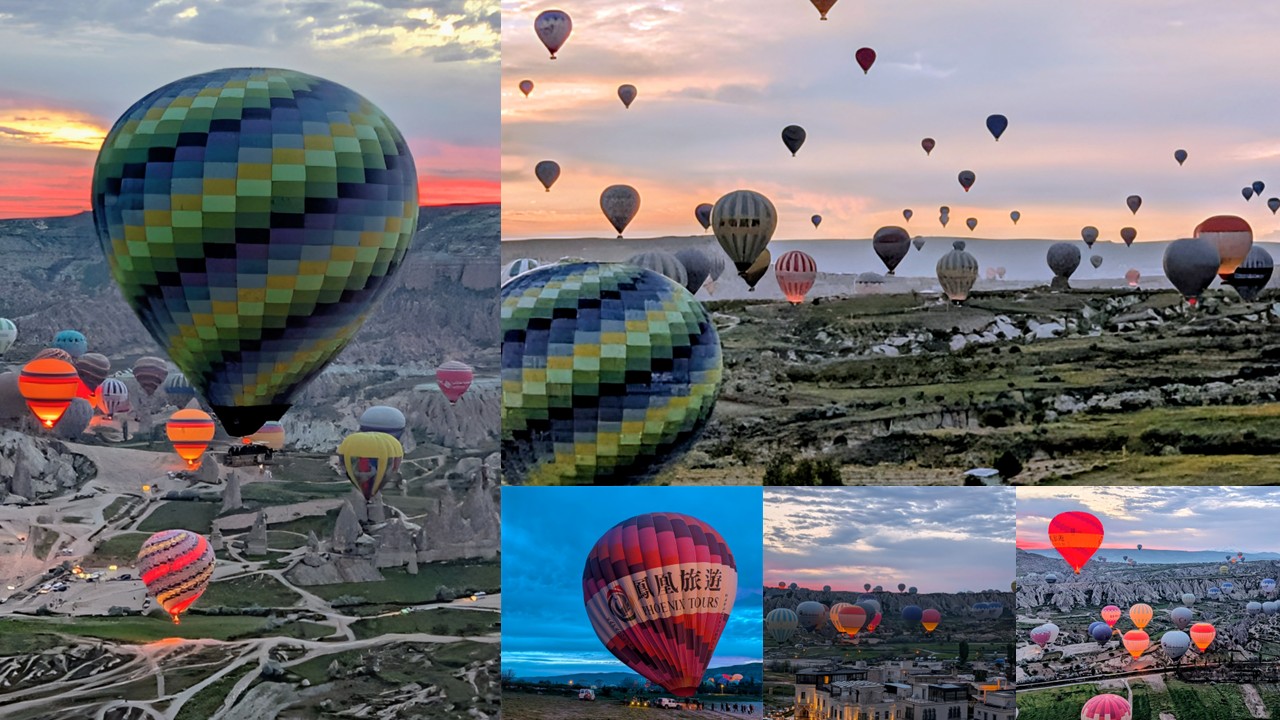
Further into the country, the relationship between environment and structure became more complete.
In Cappadocia, the landscape itself had been shaped into something functional over time. What appeared natural carried evidence of continuous use.
The system was not built onto the landscape. It was formed from it.
Movement revealed that distinction.
What might have been a singular experience elsewhere no longer held the same weight. The act of rising above the landscape clarified something different. The terrain felt both natural and intentional.
In some places, that integration was more deliberate.
Structures were not added to the landscape, but carved into it—spaces formed directly from the material itself. What appeared natural carried visible intention, use embedded within the environment rather than placed alongside it.
Goreme Oren Yeri Pic
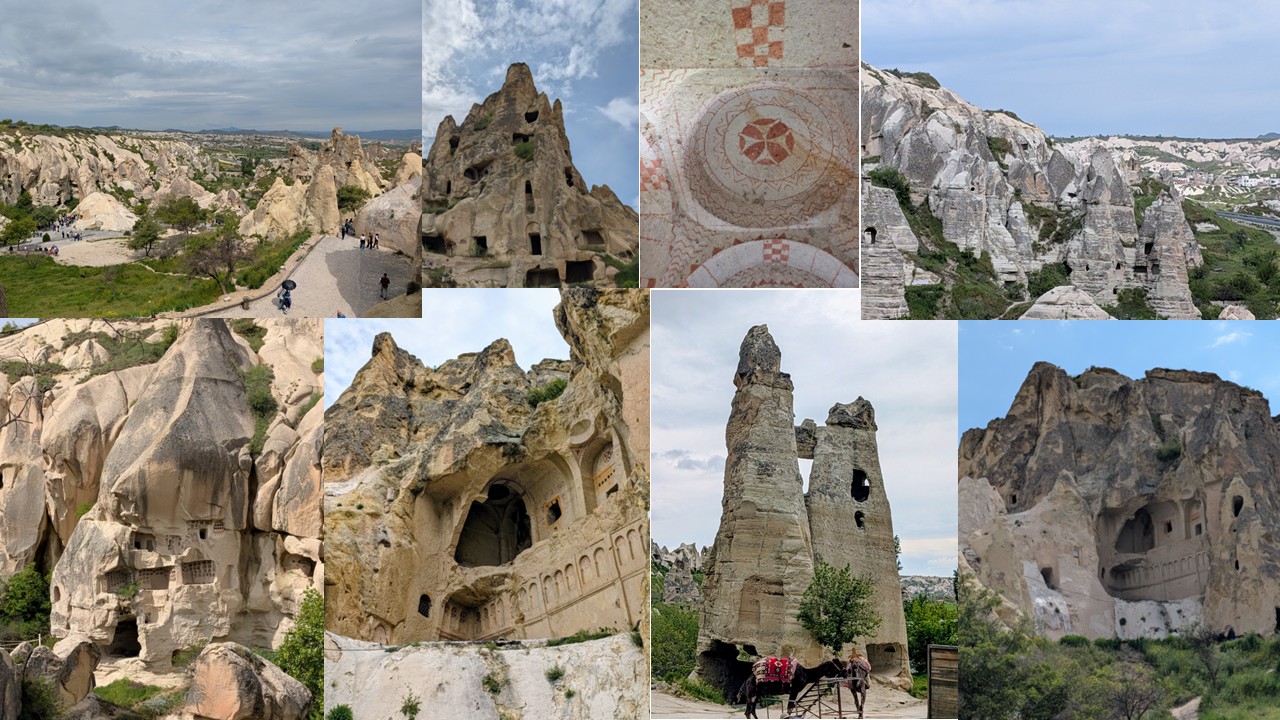
The system did not separate human activity from the landscape.
It worked within it.
Across the landscape, that system became visible in its most distinct form.
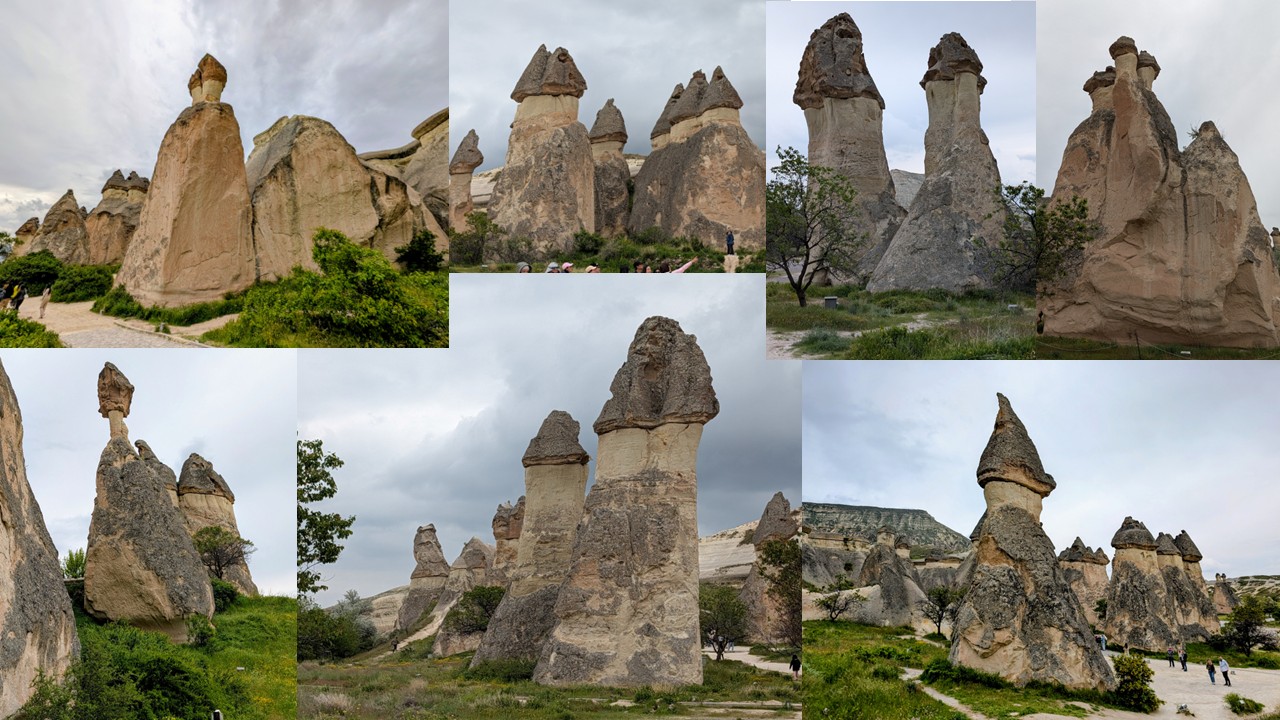
The terrain rose into repeated structures—columns, formations, shapes that appeared almost constructed, but were not. Walking among them shifted the scale. What seemed abstract from a distance became immediate.
They were not separate features within the landscape.
They were the landscape, shaped into form.
Fairy Chimneys of Cappadocia Pic
Below the surface, the system extended further.
Underground spaces revealed another layer—carved into the landscape rather than built upon it. What existed above ground did not define the system entirely. It continued beneath it, structured but not immediately visible.
Mazı Underground City Pic
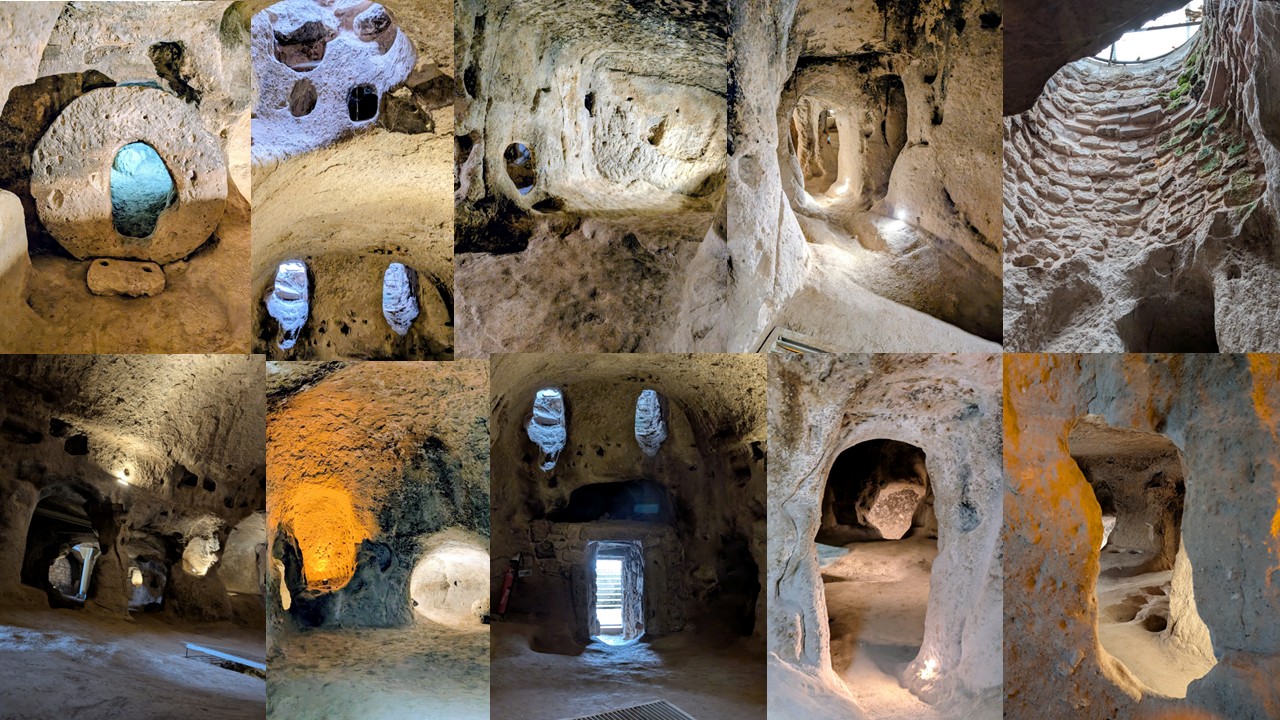
The spaces were not separate from the environment. They were formed from it, used as part of an ongoing system rather than preserved as something distinct.
What was visible was only part of the structure.
The perspective did not introduce something new. It refined what could now be recognized.
By this point, the pattern was clearer.
Environment, structure, and use existed within the same form.
Ankara — Systems Imposed
The structure shifted again, becoming more defined.
After movement through layered, adaptive, and internally sustained systems, Ankara presented something different. The organization here was deliberate, formal, and clearly articulated.
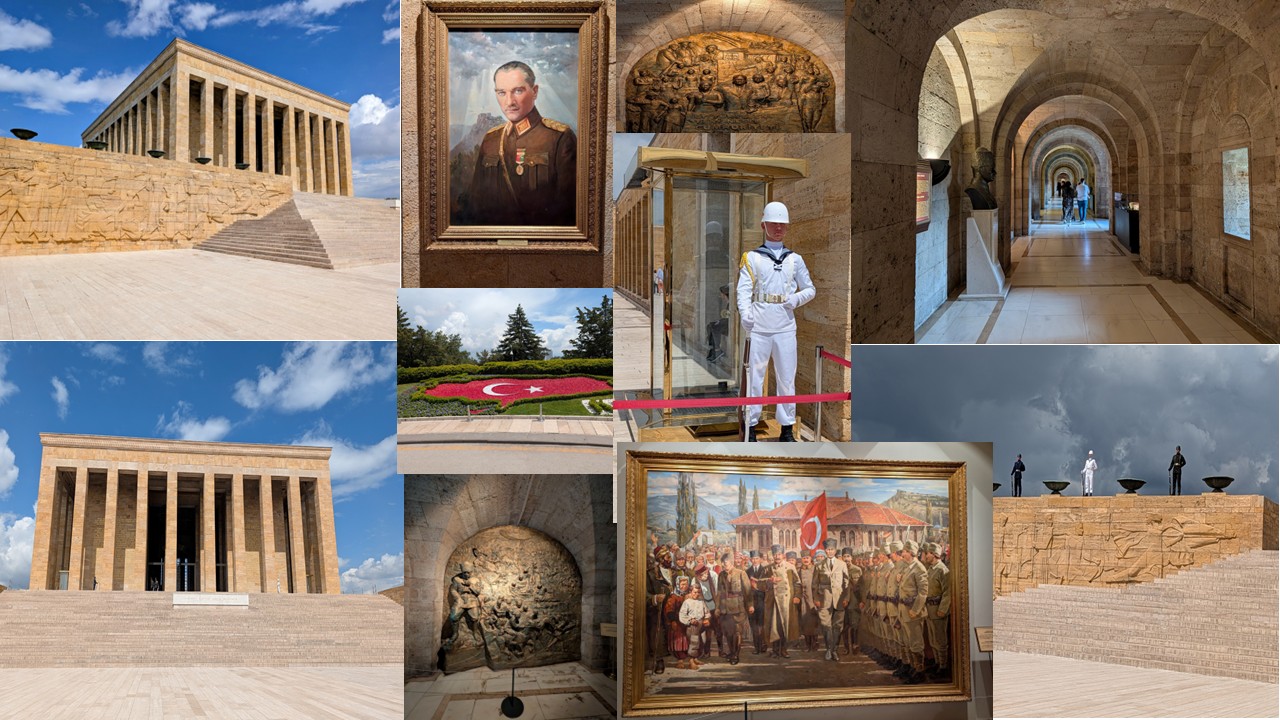
At the mausoleum of Atatürk, the system made itself explicit. Scale, alignment, and material worked toward clarity and permanence. Movement followed a defined path.
Ataturk Mausoleum Pic
What had been established was not distant.
It remained active—carried through public space, reinforced through repetition, and held in the way structure was maintained and approached. The system was not only preserved, but continually affirmed.
Its influence did not rely on explanation. It was evident in its persistence.
The presence extended beyond the structure itself.
Nothing overlapped.
What had accumulated elsewhere was simplified. What had remained unresolved was given form.
The system did not emerge over time. It was established.
It did not converge. It separated.
Istanbul — Return
Returning to Istanbul did not bring resolution.
What had extended across the country remained present here, unchanged but more visible. The same systems persisted—overlapping, intersecting, operating within the same space.
The density felt different.
What had initially appeared compressed now reflected something more expansive. The convergence was no longer immediate—it was understood.
Nothing had been left behind.
Myth, environment, continuity, and structure remained present together.
They overlapped again.
Movement did not simplify them.
It clarified their coexistence.
The city remained what it had been from the beginning—convergent, layered, unresolved.
What existed was not meant to be separated.
It was meant to remain.
Afterthoughts
On movement.
Movement did not create separation.
Distance extended what was already present. What appeared in one place reappeared elsewhere—shifted, adjusted, but still connected. Traveling through the country did not divide systems.
It revealed how they continued across it.
On myth.
Myth did not end when it became place.
What had been narrative appeared as structure, but it did not resolve into a single meaning. The physical did not replace the imagined. It carried it forward.
What remained was not certainty, but continuation.
On systems.
Others absorb.
In many places, systems define themselves through structure—clear boundaries, explicit roles, controlled interaction.
Here, they operate differently.
They do not separate. They absorb. What enters is not removed or replaced. It is incorporated, layered, and allowed to remain alongside what already exists.
The system does not resolve complexity.
It holds it.
On people.
The differences revealed themselves quietly.
A shop that required patience rather than instruction.
A conversation that adjusted not what to do, but how to move through it.
Cities where behavior followed design,
and others where design followed behavior.
Nothing was explained directly.
It was demonstrated—in pace, in presence, in how people moved through their day.
On place (what worked).
Movement across regions allowed the system to reveal itself fully.
Remaining within a single place would have suggested structure. Moving through multiple places exposed how that structure shifted, extended, and overlapped.
The transitions mattered as much as the destinations.
If we did it again.
Less focus on sequence, more on position.
The order of places mattered less than understanding how each fit within the broader system—where it connected, where it shifted, and where it repeated.
Not every place required the same amount of time.
What mattered was recognizing the role each location played within the whole.
Practical notes.
Density required adjustment.
Movement within Istanbul depended on timing, awareness, and pace. Beyond the city, distance and openness changed that rhythm entirely.
The system was navigable, but not uniform.
Understanding came through participation, not instruction.
Ethics & presence.
Observation required restraint.
Not everything needed to be understood immediately, and not everything needed to be interpreted. Presence meant allowing systems to exist without forcing them into familiar structures.
What was different did not need to be corrected.
It needed to be observed.
What stayed.
Nothing resolved.
What remained was not a conclusion, but a recognition—systems that overlap, extend, and persist without separating into clear forms.
What appeared complex did not simplify with time or movement.
It remained—connected across place, scale, and experience.
More Field Notes
See other movements across landscapes: