Spain-Northern
The journey began on an island.
At the time, Mallorca felt separate from everything that followed. Looking back, it became the first clue. The strongest memories from Spain were not simply places. They were inheritances. Ideas passed forward. Craft passed forward. Traditions passed forward. Knowledge passed forward.
Travel revealed how much survives because someone chooses to carry it into the next generation.
The landscapes changed constantly. The pattern did not.
The Route (Context)
Mallorca → Barcelona → Figueres → Girona → Montserrat → Poblet → Zaragoza → Olite → Pamplona → San Sebastián → Gaztelugatxe → Bilbao → Rioja → Castro Urdiales → Santillana del Mar → Comillas → Picos de Europa → Santiago de Compostela → Lugo → Ponferrada → León → Salamanca → Ávila → Madrid
A movement through islands, pilgrimage routes, vineyards, monasteries, football crowds, museums, and regional identities.
The route crossed Catalonia, Aragón, Navarra, the Basque Country, Cantabria, Asturias, Galicia, Castilla y León, and Madrid.
The miles mattered. The transitions mattered more.
The Myth Thread — What Survives
Most journeys begin with places. This one increasingly became about continuation.
Again and again, the route returned to the same question. Why do some things endure while others disappear? The answers were rarely the same.
Some things survived through inheritance. Knowledge passed between teachers and students. Beliefs passed between generations. Traditions passed between families and communities. Others survived through reinvention.
Ideas adapted. Cities transformed. Artists challenged existing assumptions and left behind new ways of seeing. Still others survived through participation.
Pilgrims continued walking. Winemakers continued practicing. Communities continued gathering. The forms changed. The continuation remained.
Spain often appeared to be a country of history. Closer observation suggested something different.
It was a country of survival. Not survival through strength. Survival through continuation.
The Itinerary (Reference)
View full day-by-day itinerary
Day 1–5 — Mallorca & Barcelona
Mallorca, Rafa Nadal Academy, Barcelona, Sagrada Família, Casa Batlló, Casa Milà, Casa Vicens, Palau de la Música Catalana, Gothic Quarter
Day 6 — Figueres & Girona
Dalí Theatre-Museum, Girona Old Town, City Walls, Jewish Quarter
Day 7 — Montserrat & Poblet
Montserrat Monastery, Santa Cova, Creu de Sant Miquel, Poblet Monastery
Day 8 — Zaragoza, Olite & Pamplona
Basilica del Pilar, Aljafería Palace, Olite Royal Palace, Pamplona
Day 9 — Running of the Bulls & San Sebastián
Balcony Viewing, La Concha, Parte Vieja, Monte Urgull
Day 10–11 — Gaztelugatxe, Bilbao & Rioja
Gaztelugatxe, Guggenheim Museum, Casco Viejo, Rioja Vineyards, Marqués de Riscal, Ysios
Day 12–14 — Cantabria & Asturias
Castro Urdiales, Santillana del Mar, El Capricho de Gaudí, Picos de Europa, Covadonga
Day 15–16 — Galicia & Santiago
Santiago de Compostela, Camino de Santiago, Pilgrim Quarter, Cathedral
Day 17–18 — Lugo, León & Salamanca
Roman Walls of Lugo, León Cathedral, Casa Botines, Salamanca, Ávila
Day 19 — Madrid Departure
Return Home
Some places are remembered for their landmarks. Others are remembered for their landscapes.
Years later, it is often easy to recall where they were. More difficult to remember is why they endured. Looking back, Spain remained memorable because it repeatedly returned to the same question.
What allows certain things to survive while others disappear? The answers were rarely the same. Sometimes survival came through inheritance. Knowledge passed between mentors and students. Beliefs passed between generations. Traditions passed between families and communities. Other times survival came through reinvention.
Ideas adapted. Cities transformed. Artists challenged assumptions and left behind new ways of seeing the world. Still other things survived through participation.
Pilgrims continued walking. Winemakers continued practicing. Communities continued gathering. The form changed. The continuation remained.
The route crossed islands, mountains, vineyards, monasteries, pilgrimage roads, museums, football crowds, and cities shaped by centuries of accumulated history. The settings rarely resembled one another. Yet the same question kept reappearing. Why do some ideas, places, traditions, and identities endure while others fade?
Spain often appeared to be a country defined by history. Closer observation suggested something different. History alone explains very little. What mattered was continuation. The decision to teach. The decision to preserve. The decision to adapt. The decision to participate.
Again and again, the journey revealed the same truth. What survives rarely survives by accident. Someone believes in it. Someone practices it. Someone protects it. Someone reinvents it. Someone carries it forward.
Mallorca — What Gets Passed Forward
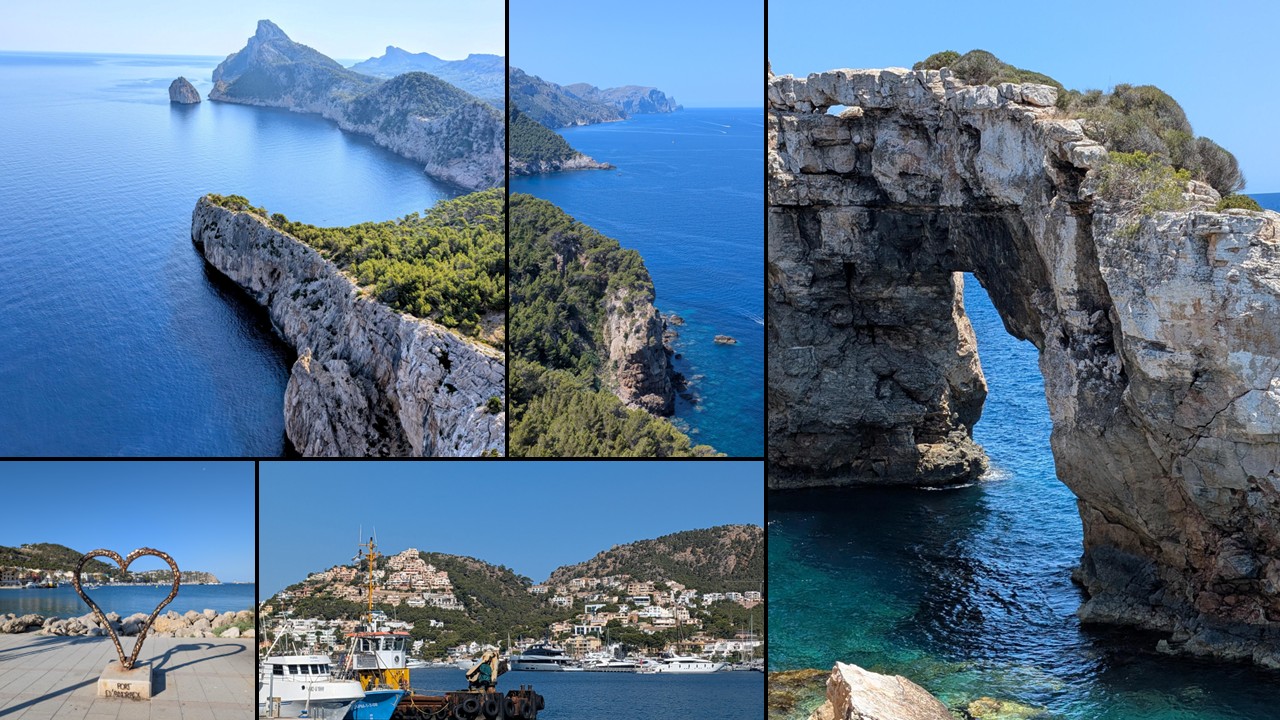
The journey began before mainland Spain.
At first, Mallorca seemed separate from everything that followed. Looking back, it became the first clue.
The Cathedral of Mallorca introduced an idea that would appear repeatedly throughout the journey. No single person created it. Generations contributed to it. Architects. Builders. Craftsmen. Patrons. Restorers.
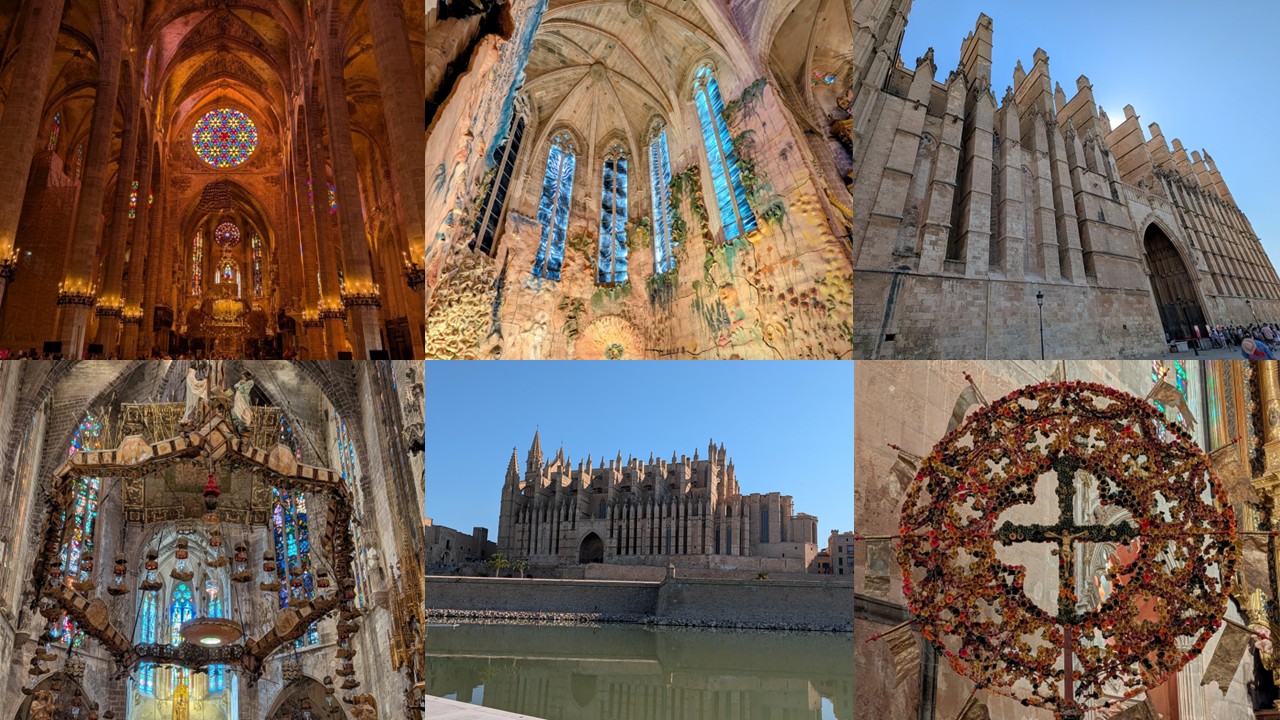
Each inherited something unfinished and passed it forward in a different form. The result felt larger than any individual contribution. The structure belonged to centuries of accumulated effort. Its permanence depended upon continuity. The same pattern appeared elsewhere on the island.
A visit to the Rafa Nadal Academy revealed a modern version of the same idea. Achievement is easy to see. The process behind it is not. More than a training facility, the academy functions as a living archive. Career milestones, championship trophies, hundreds of worn shoes, and the campus itself illustrate how accomplishments become institutions and how legacy is passed forward.
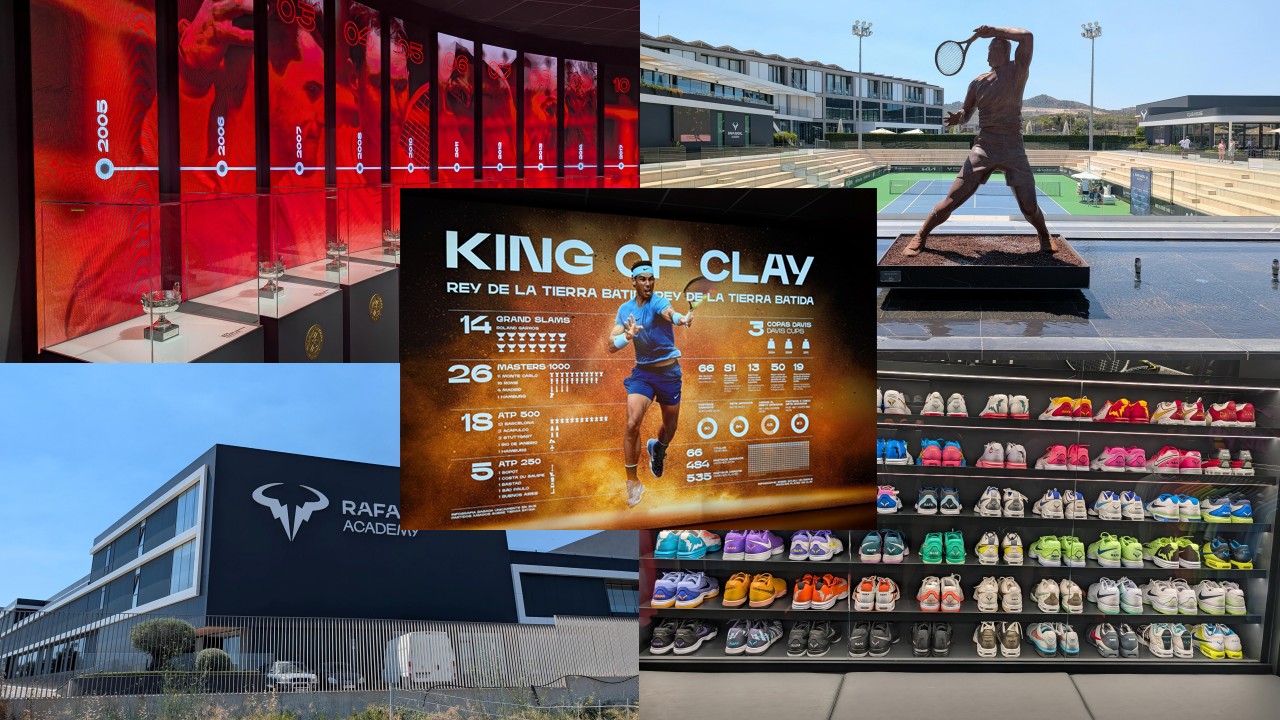
Unexpectedly seeing Uncle Toni reinforced that distinction. Success rarely exists in isolation. Behind visible accomplishment sits a longer story. Discipline. Repetition. Expectation. Guidance. Mentorship.
The academy celebrated results. What felt more significant was transmission. Knowledge passed forward. Standards passed forward. Experience passed forward. The cathedral preserved centuries. The academy prepared futures.
The settings differed. The pattern remained. What survives rarely survives on its own.
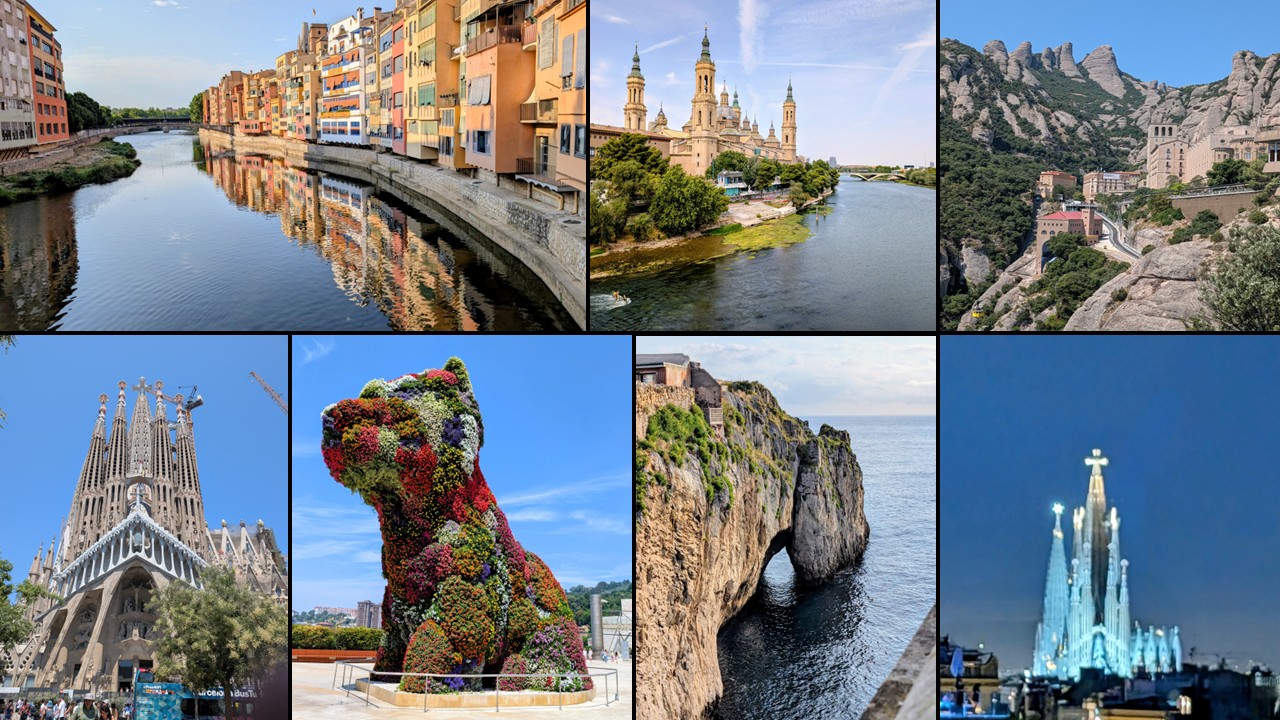
Girona — What Endures
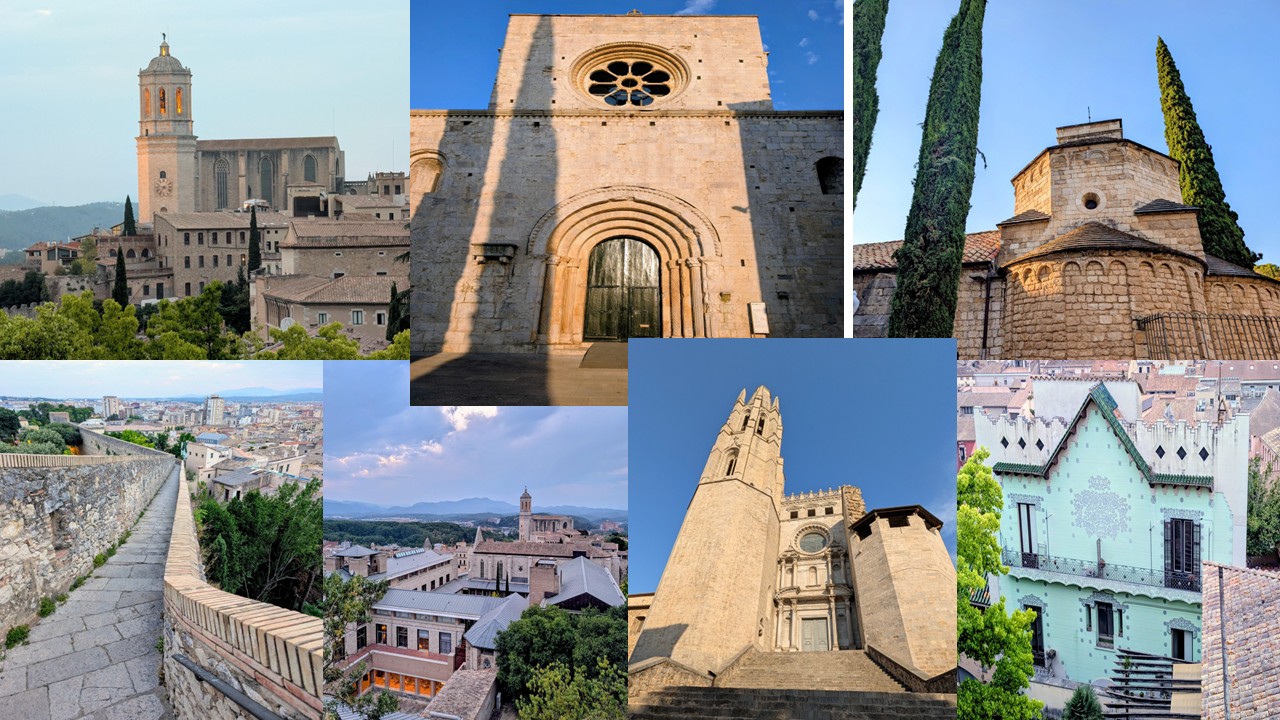
The ancient walls of Girona offered a different perspective on continuity. Unlike a cathedral, they were not built to inspire. Unlike a museum, they were not built to preserve. They were built to defend.
Walking the walls revealed how much of history survives long after its original purpose disappears. The city no longer depends upon fortification. The walls remain. The people changed. The threats changed. The purpose changed. The structure endured.
From above, Girona revealed layers of time compressed into a single landscape. Roman foundations. Medieval streets. Modern life. Each period inherited something from the one before it and left something behind for the next.
The walls became a visible record of that process. They no longer divide worlds. They help explain them.
The experience introduced an idea that would continue appearing throughout the journey. Not everything survives because it remains useful. Some things survive because they help people remember.
The walls were no longer protecting Girona. They were preserving its story.
Montserrat — What People Continue Believing
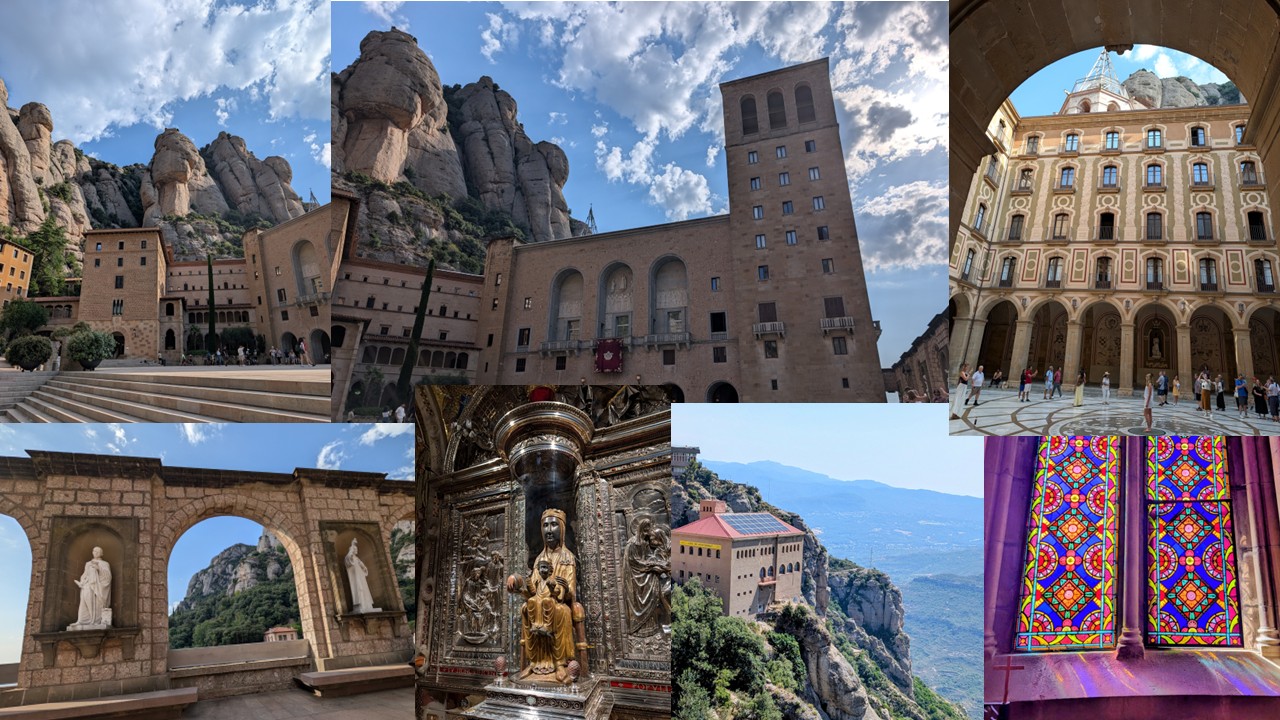
Some inheritances are physical. Walls. Buildings. Roads. Others are carried differently.
Montserrat felt less like a destination and more like a continuation.
The monastery sits high above the surrounding landscape, embedded within the mountain rather than simply built upon it. The setting alone helps explain why people have traveled there for centuries.
Faith appeared inseparable from geography. The mountain seemed to participate in the experience. Yet the most memorable moment came inside. Visitors moved slowly through the space, each waiting for an opportunity to stand briefly before the Black Madonna. The process was orderly and unhurried. One person stepped forward. Then another. Then another. The ritual repeated continuously throughout the day.
The details were simple. The significance came from repetition. Every visitor arrived for personal reasons.
Some came through faith. Others through curiosity. Others through tradition.
The motivations varied. The movement remained.
Standing in the courtyard afterward, watching the steady flow of visitors, reinforced the same observation.
Montserrat survives because people continue finding meaning there. Not because the buildings remain intact. Not because history demands attention. Because generation after generation continues to participate.
The monastery remains. The people change. The relationship continues.
The significance of Montserrat did not seem rooted entirely in architecture, relics, or history.
It felt rooted in continuity. People continued returning. Year after year. Century after century.
The journey reminded me that belief itself can become an inheritance. Not because every person believes the same thing. Because every generation decides what is worth carrying forward.
Montserrat remains because people continue making that choice.
Poblet — Stewardship
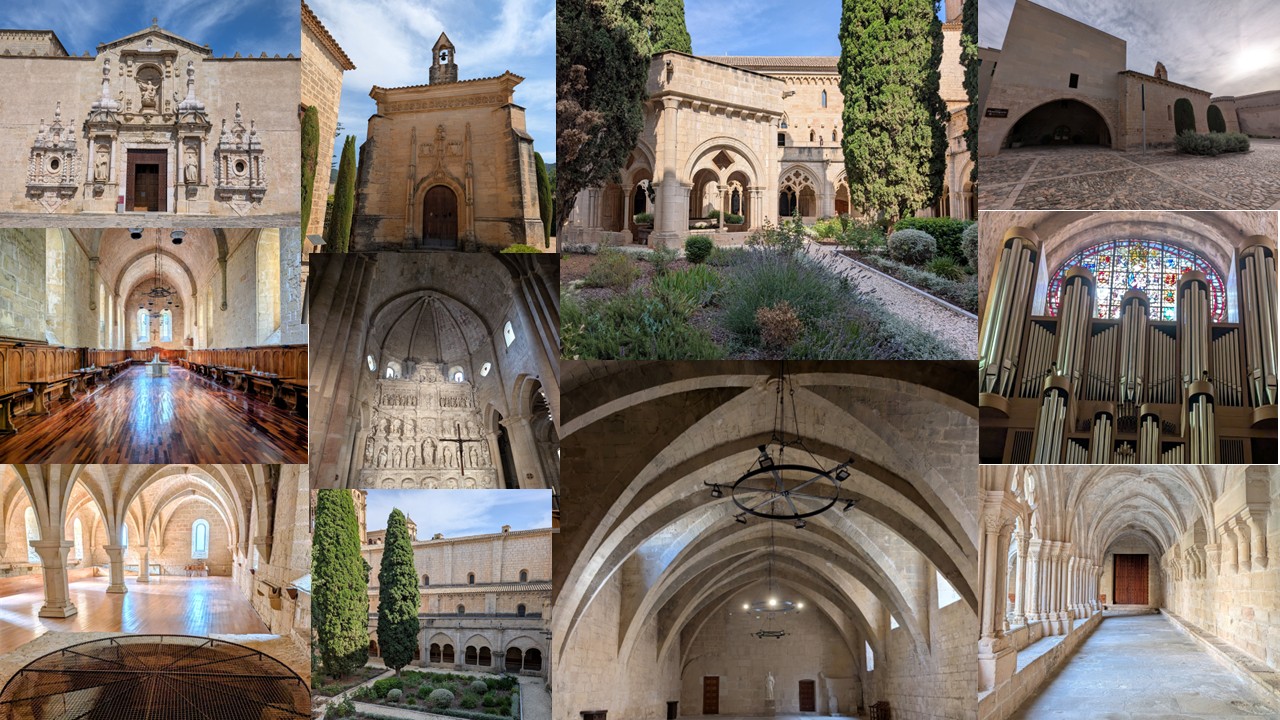
The monastery at Poblet introduced a different form of continuity. Unlike Montserrat, where movement and pilgrimage felt central to the experience, Poblet felt rooted in preservation. The grounds carried a sense of permanence. Stone walls enclosed courtyards, cloisters, churches, and living spaces that have continued serving their purpose across centuries.
Staying overnight on the monastery grounds changed the experience. The site became more than a historical monument visited during the day. It became part of the surrounding landscape. The rhythm slowed.
The spaces felt less like attractions and more like places intended to endure. During the audio tour, attention naturally moved toward architecture, royal tombs, and the history of the monastery.
What lingered afterward was something simpler. Poblet exists because generation after generation chose to maintain it. Buildings require care. Institutions require care. Traditions require care. Continuity requires care.
Preservation is often described as protecting the past. Poblet suggested something different. Preservation may be an investment in the future.
The monastery did not survive because it avoided change. It survived because people continued considering it worth protecting. That distinction felt important.
Many inheritances survive through transmission. Others survive through stewardship. Poblet demonstrated the difference.
Zaragoza — Faith Across Generations
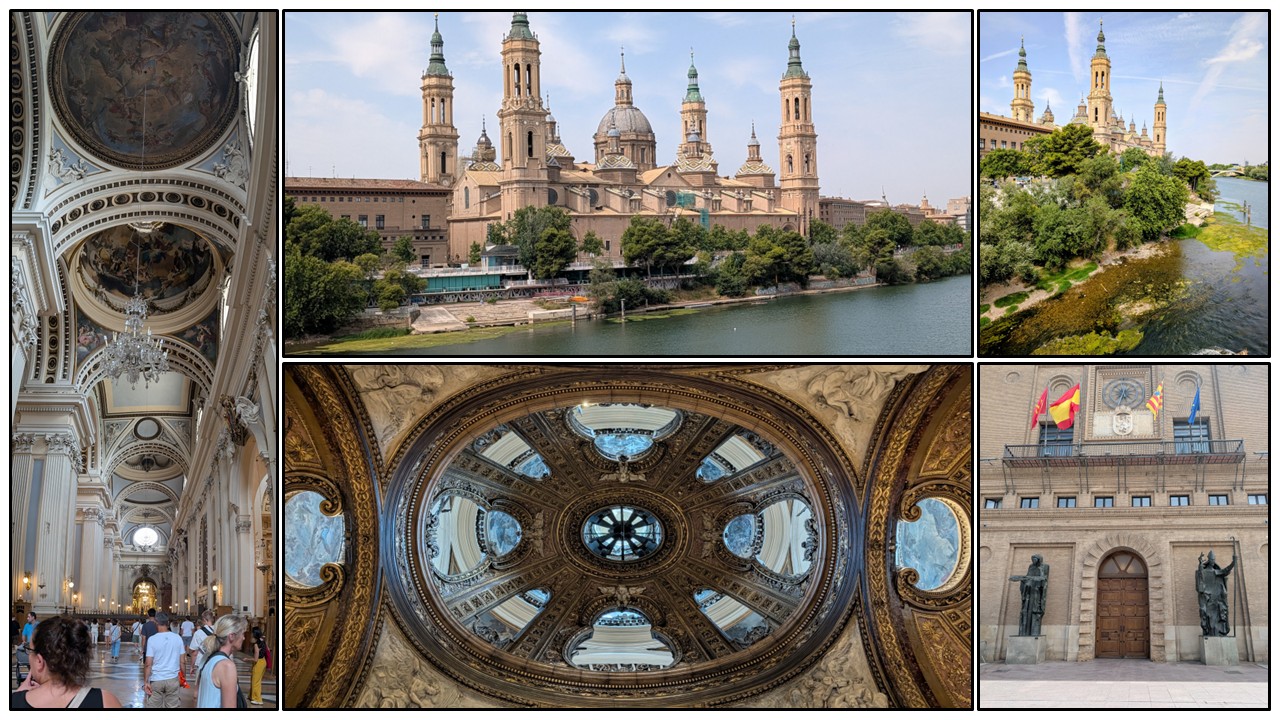
The Basilica del Pilar revealed a different form of continuity.
Montserrat felt personal. Pilar felt collective. The scale of the building immediately suggested that it belonged to something larger than any individual visitor.
Generations had passed through the same space. Pilgrims. Travelers. Residents. Families.
Each arrived in a different moment. Each inherited the same structure. Standing inside, it became difficult not to think about time. The people changed. The purpose remained remarkably consistent. The basilica exists because generation after generation continued finding meaning there. Not every visitor believes the same thing. Not every visitor arrives for the same reason.
Yet the building continues drawing people toward a shared point of reference. That continuity felt significant. Modern life often emphasizes change. Places like Pilar demonstrated a different reality.
Some institutions survive because they continue adapting. Others survive because they continue fulfilling a need that remains recognizable across centuries. Faith may be one of those things. The architecture was impressive. The larger story was endurance.
The basilica reminded me that certain beliefs outlive the generations that carry them. Not because they remain unchanged. Because people continue finding reasons to return.
Montjuïc — What Remains
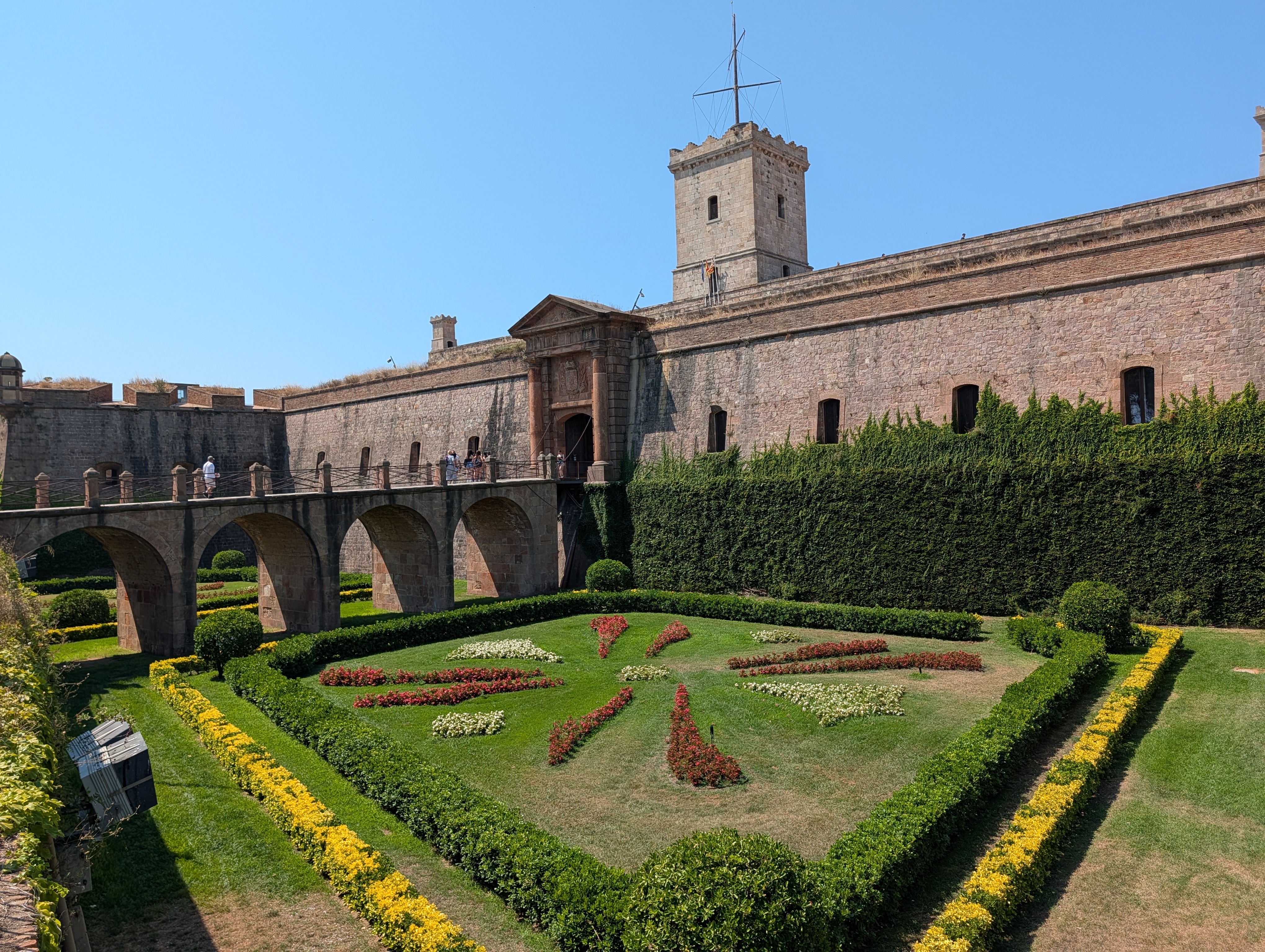
The fortress overlooking Barcelona carries a different kind of inheritance. Unlike the cathedrals, museums, and artistic landmarks encountered elsewhere on the journey, Castell de Montjuïc was built around power.
Its position explained everything. The hill commands views across the city, the harbor, and the Mediterranean beyond. Control of the landscape once meant control of movement. Control of movement often meant control of people. Standing along the walls, it became easy to understand why the location mattered. The view offered clarity. History offered perspective.
The fortress outlived governments, rulers, conflicts, and political movements that once depended upon it. The people changed. The structure remained.
That pattern would appear repeatedly throughout the journey. Kingdoms disappeared. Empires disappeared. Political ideas evolved.
Yet traces remained visible long after the original purpose had faded. The fortress no longer exercises authority over the city below. Its significance comes instead from memory.
Not everything is passed forward intentionally. Some inheritances persist simply because they remain visible.
Montjuïc felt like one of those places. The walls preserved more than stone. They preserved evidence of how societies choose to organize power, defend territory, and remember their past.
Picasso — Reinvention
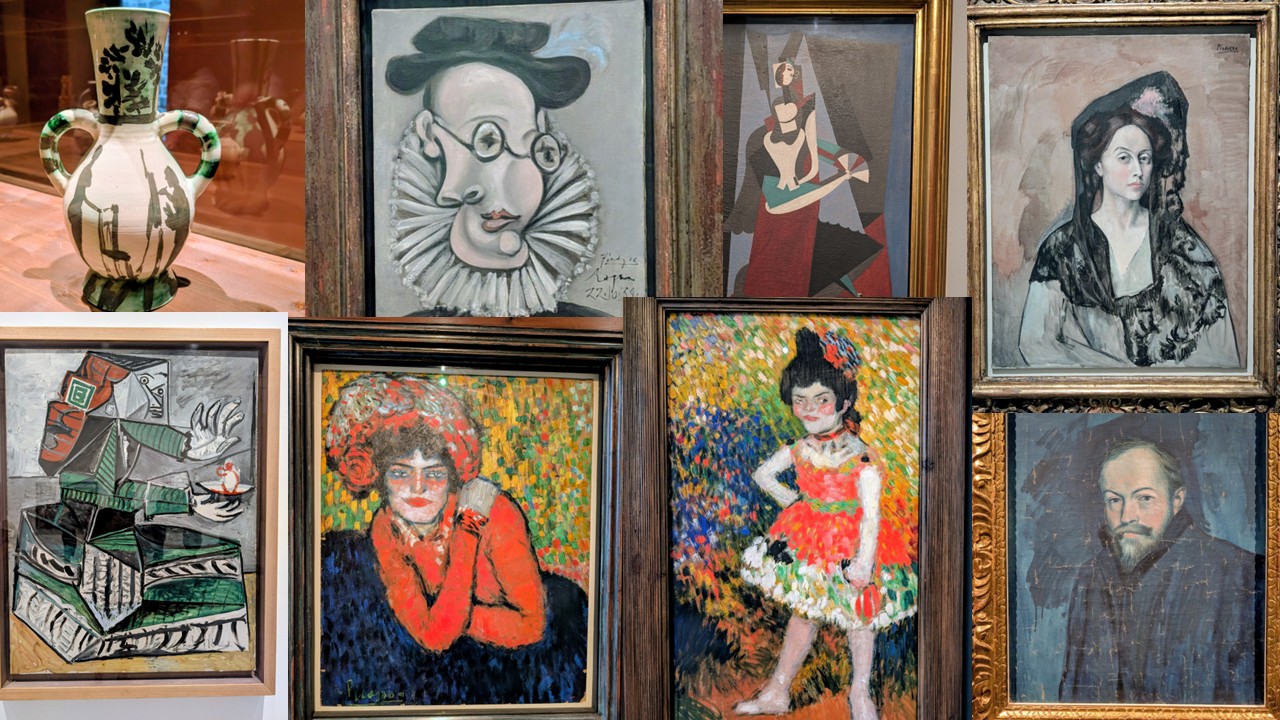
The Picasso Museum revealed a side of the artist often overshadowed by his most famous work. Rather than presenting a single style, the collection showed constant evolution. The rooms traced a progression through different periods, techniques, and ways of seeing. The effect was striking.
Many artists become recognizable by consistency. Picasso became influential through change. The museum suggested that reinvention was not a departure from his process. It was the process.
Style appeared temporary. Experimentation appeared permanent. Walking through the galleries felt less like observing a finished legacy and more like watching one being constructed in real time.
The lesson extended beyond art. Many traditions survive through preservation. Others survive through adaptation. Picasso seemed to operate according to the second principle.
The willingness to evolve became part of the inheritance itself. The artwork remained. The larger legacy was permission. Permission to change. Permission to experiment. Permission to become something different without losing connection to what came before.
León — Continuity and Reinvention
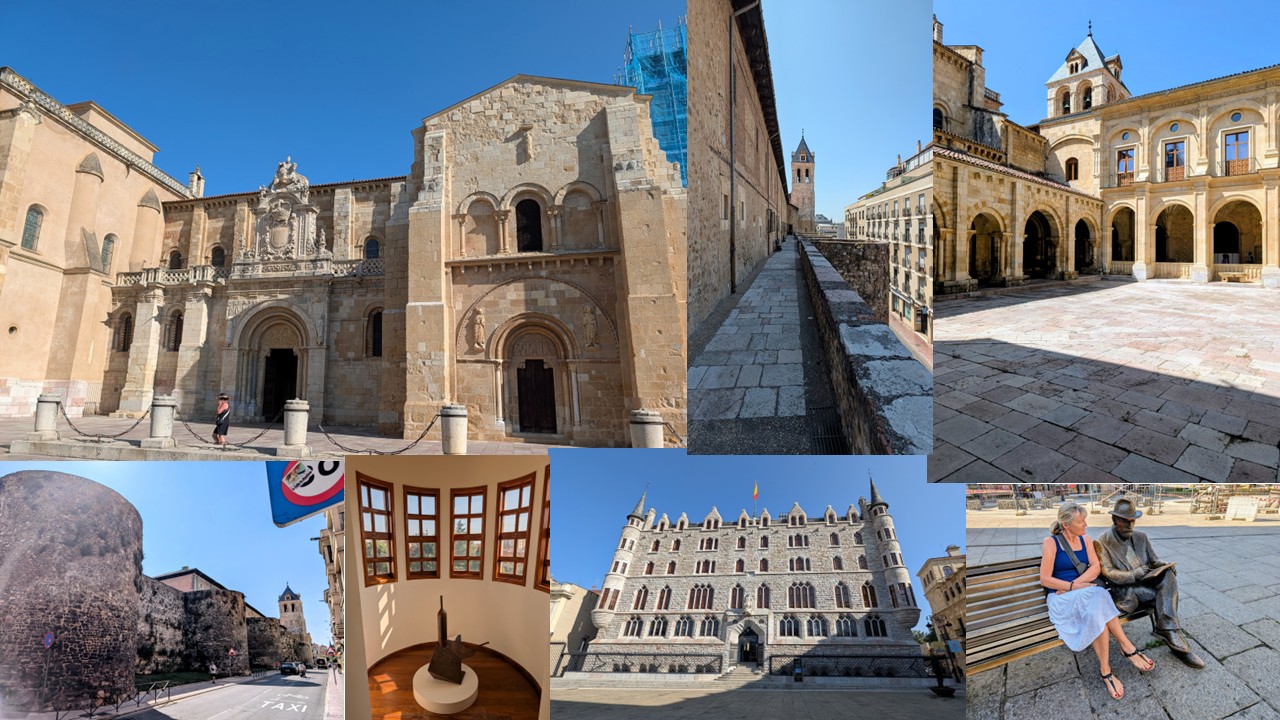
León felt like a meeting point between inheritance and adaptation. The city carried visible reminders of Spain’s medieval past through its cathedral, plazas, and historic center.Yet it also became a place where familiar themes from earlier in the journey reappeared in new forms.
Casa Botines provided one of those moments. Gaudí had already appeared in Barcelona. Seeing his work again in León felt different. The building remained unmistakably his. The details, materials, and imagination were instantly recognizable.Yet the setting changed the experience. In Barcelona, Gaudí often feels inseparable from the city itself.
In León, Casa Botines appeared almost as a reminder that ideas travel farther than the places that first inspire them. The building felt both familiar and unexpected.
Its presence suggested that creative influence does not remain confined to a single region. It spreads. The structure also revealed something important about continuity. Many forms of preservation focus on keeping the past intact. Casa Botines suggested another possibility.
The past can continue contributing to the present. Ideas survive not only because they are remembered. Sometimes they survive because they continue finding new places to belong.
That pattern appeared repeatedly throughout northern Spain.
Traditions endured. Communities endured. Institutions endured.
Yet very little remained frozen in time. The strongest examples of continuity often involved adaptation.
León seemed to sit comfortably within that balance. Respecting inheritance while remaining open to reinvention.
Gaudí — The Legacy of Imagination
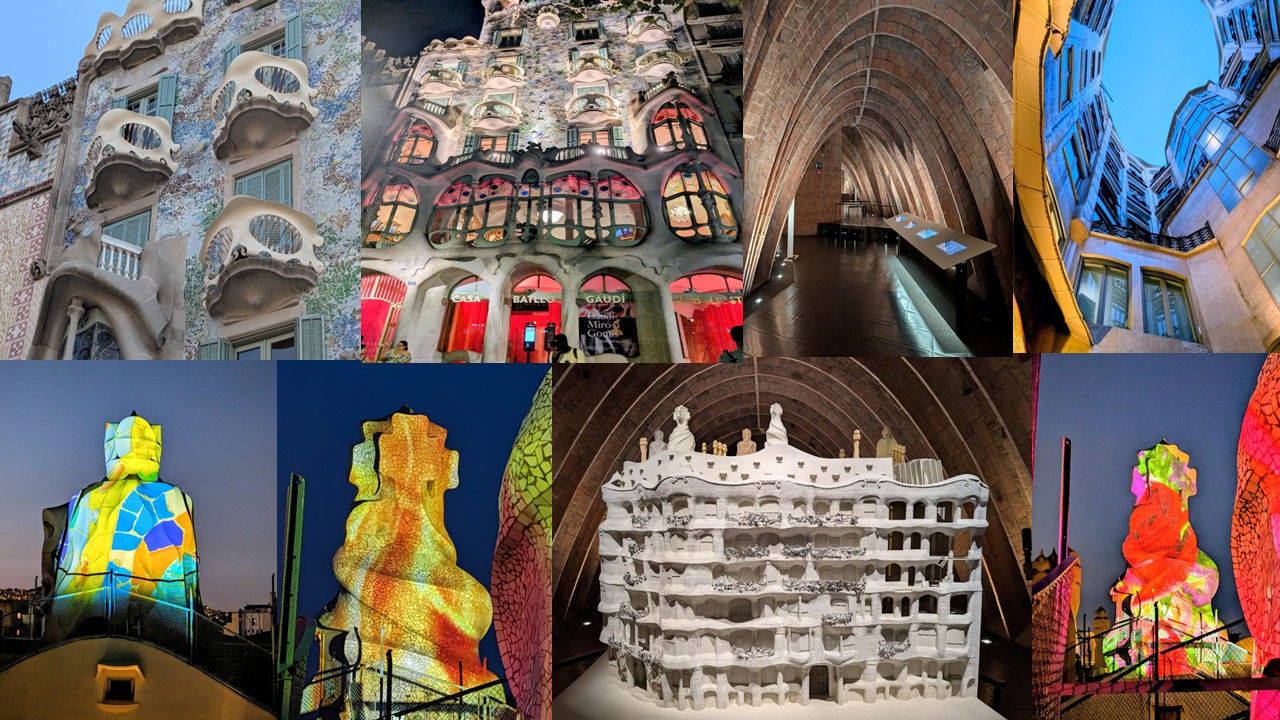
Gaudí appeared repeatedly throughout the journey. Barcelona provided the expected encounters. Sagrada Família. Casa Batlló. Casa Milà. Casa Vicens. El Capricho appeared unexpectedly on the northern coast. Casa Botines appeared again in León. Hundreds of miles separated them.
Gaudí’s buildings remain remarkable because they still feel unusual. Time has not made them ordinary. Stone bends. Columns become trees. Light becomes structure. The designs appear less constructed than cultivated.
The most interesting thing was not that the buildings survived. It was that the imagination survived with them. Decades after they were built, they continue convincing people that architecture can be something different.
Some inheritances are practical. Others are imaginative. Gaudí passed forward permission.
Permission to think differently.
Palau de la Música — Beauty as Public Space
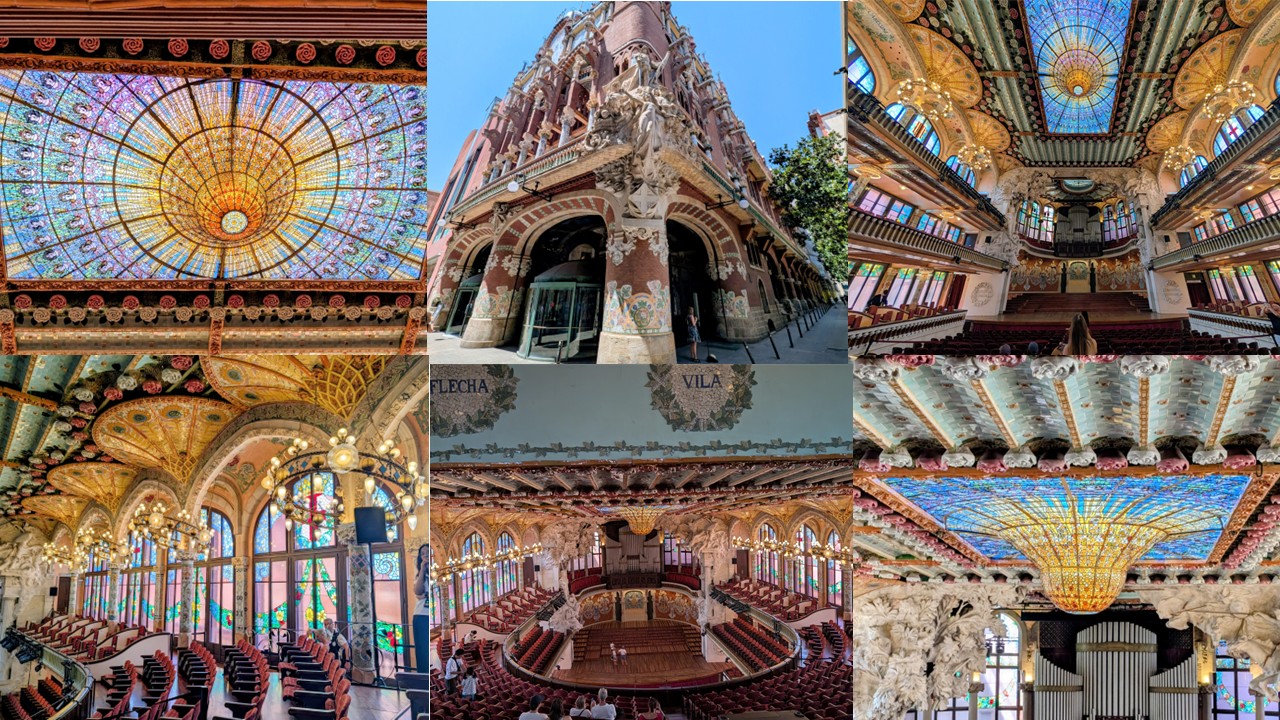
The Palau de la Música offered a different expression of the same idea. Where Gaudí transformed architecture into imagination, the Palau transformed a performance hall into art itself.
The building never seemed content to be merely functional. Columns, mosaics, stained glass, sculpture, and light competed for attention. Every surface appeared intentional. The effect felt unusual.
Many public buildings encourage efficiency. The Palau encouraged attention.
The structure suggested that beauty was not something reserved for monuments, churches, or palaces. It could exist within everyday civic life. Even before a note of music was heard, the building was already performing. The experience raised an interesting question. What happens when a society chooses to invest in beauty rather than simply utility?
The Palau felt like one answer. More than a century after its construction, it continues to shape how people experience music, architecture, and public space. Its legacy is not only the building itself.
It is the belief that public places can inspire as well as serve.
Dalí — The Legacy of Perspective
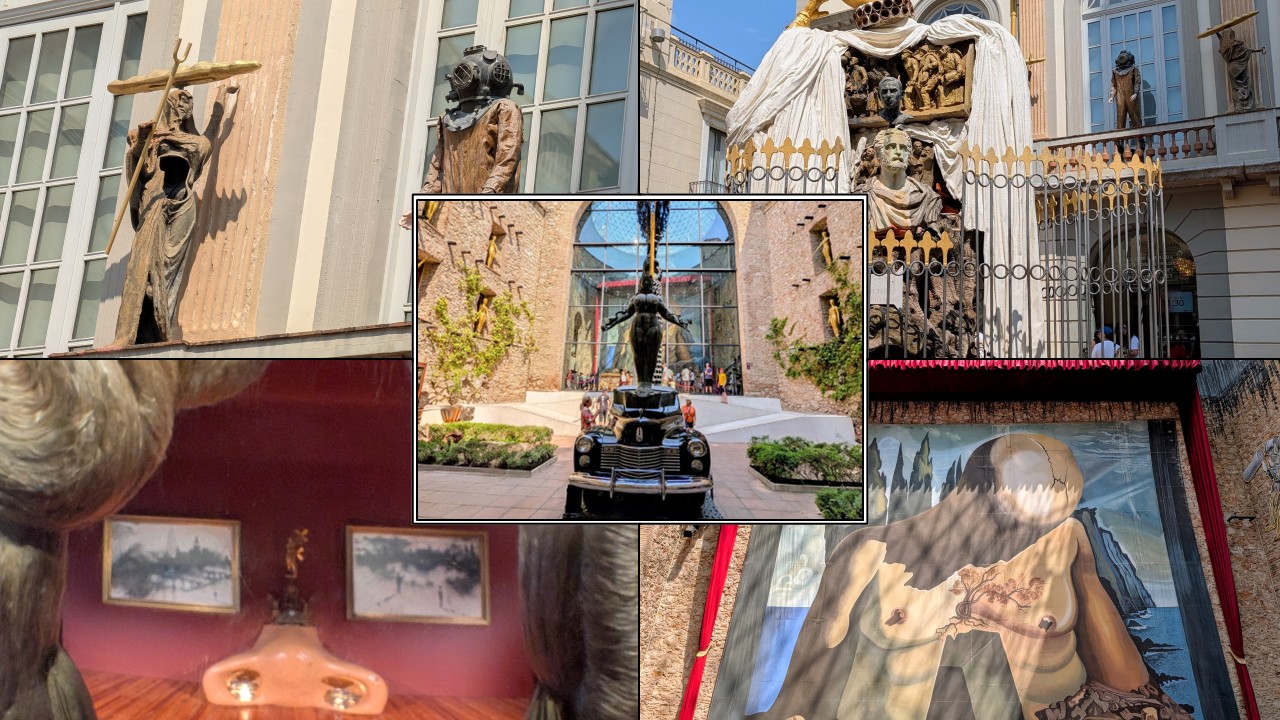
If Gaudí challenged architecture, Dalí challenged certainty. The Dalí Theatre-Museum felt less like entering a museum and more like entering another person’s imagination.
Reality remained present. Certainty disappeared. Objects changed meaning. Scale changed meaning. Expectation changed meaning.
The experience was not really about the artwork. It was about perspective.
Most inheritances provide answers. Dalí seemed more interested in providing questions. The museum suggested that understanding often begins where certainty ends.
His legacy was not a collection. It was a way of looking.
Bilbao — Reinvention
Not everything that survives remains unchanged. Bilbao demonstrated that.
The city felt defined not by preservation alone but by reinvention. Industry remained visible. History remained visible. Yet neither appeared restrictive. The Guggenheim became a symbol of transformation. Not because it erased the city’s past. Because it expanded it.
Some traditions survive through continuity. Others survive through adaptation. Bilbao revealed the second path.
The lesson felt surprisingly optimistic. Change is not always the opposite of preservation. Sometimes it is the reason preservation succeeds.
Rioja — Patience Made Visible
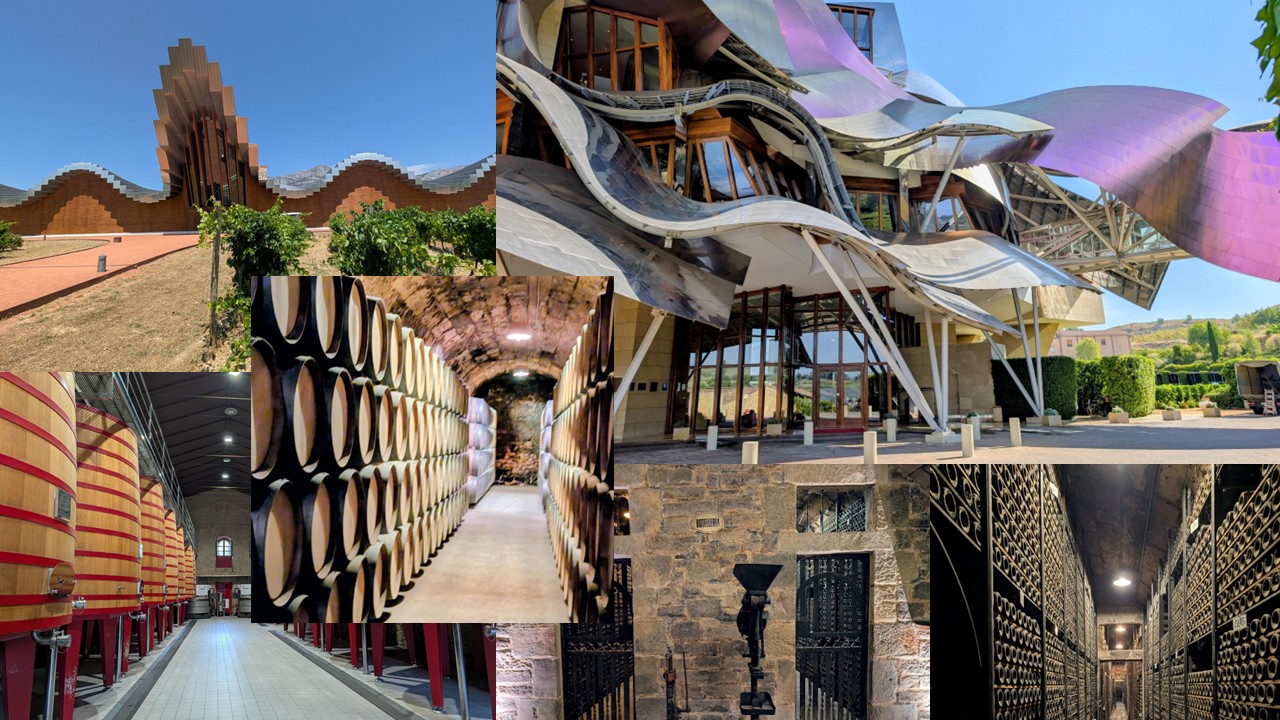
The vineyards represented patience extended across decades. Sometimes centuries. The bottle may belong to a single year. The craft belongs to many.
The vineyards revealed a different kind of inheritance. Nothing about Rioja appeared rushed. The vines required patience. The wine required patience. The expertise required patience.
Generations contributed to the same work. Each improved something. Each preserved something.
The bottle represented a single year. The craft represented many lifetimes. What survived was not the product. It was the knowledge behind it.
The region reminded me that mastery is rarely invented. More often, it is accumulated.
Pamplona — Ritual and Risk
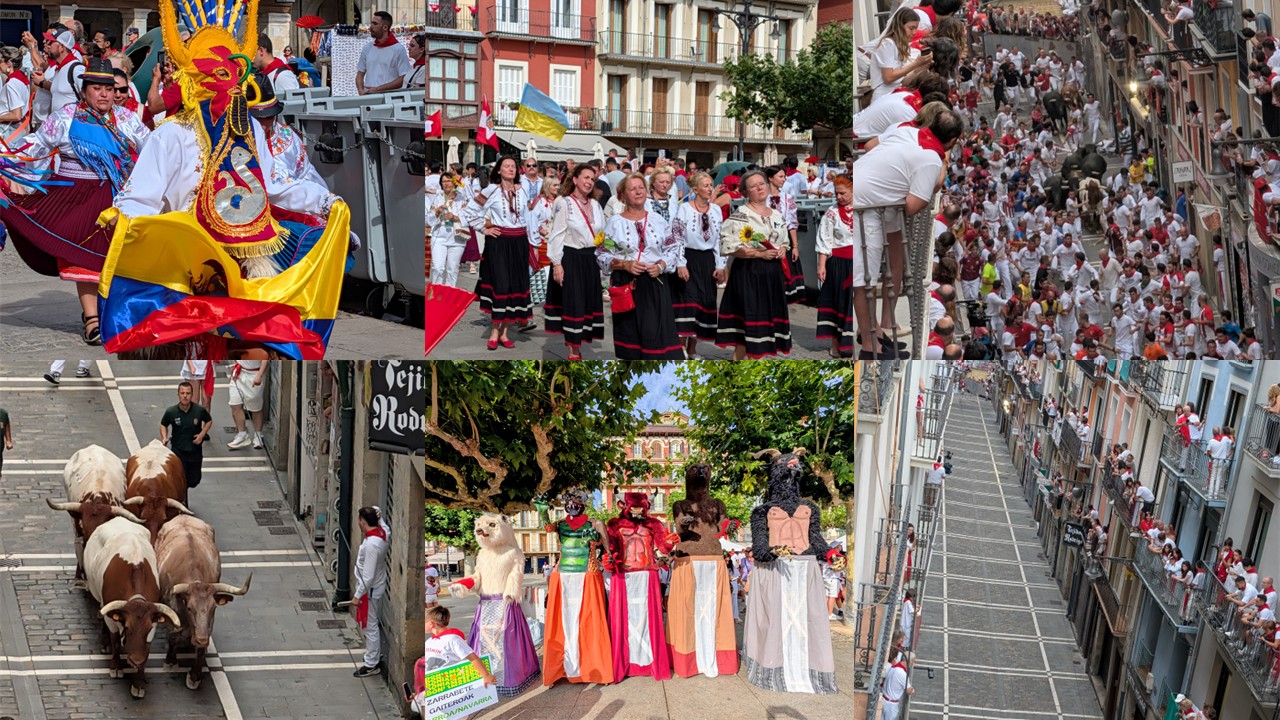
The running of the bulls is frequently described as a confrontation between people and animals. From the balcony, the event appeared different. The crowd became the story.
The bulls were certainly dangerous. The greater unpredictability often appeared human. Individuals stumbled. Others hesitated. Momentum moved through the crowd faster than intention. The bulls moved with purpose. The crowd moved with uncertainty. The distinction mattered.
The animals were important. The ritual was larger. Every participant eventually changes. Every spectator changes. The event remains.
Year after year, a new group steps into an old tradition. The details differ. The structure survives.
That continuity felt more significant than the spectacle itself. Traditions endure because people continue entering them. Not because they are preserved.
Because they are practiced.
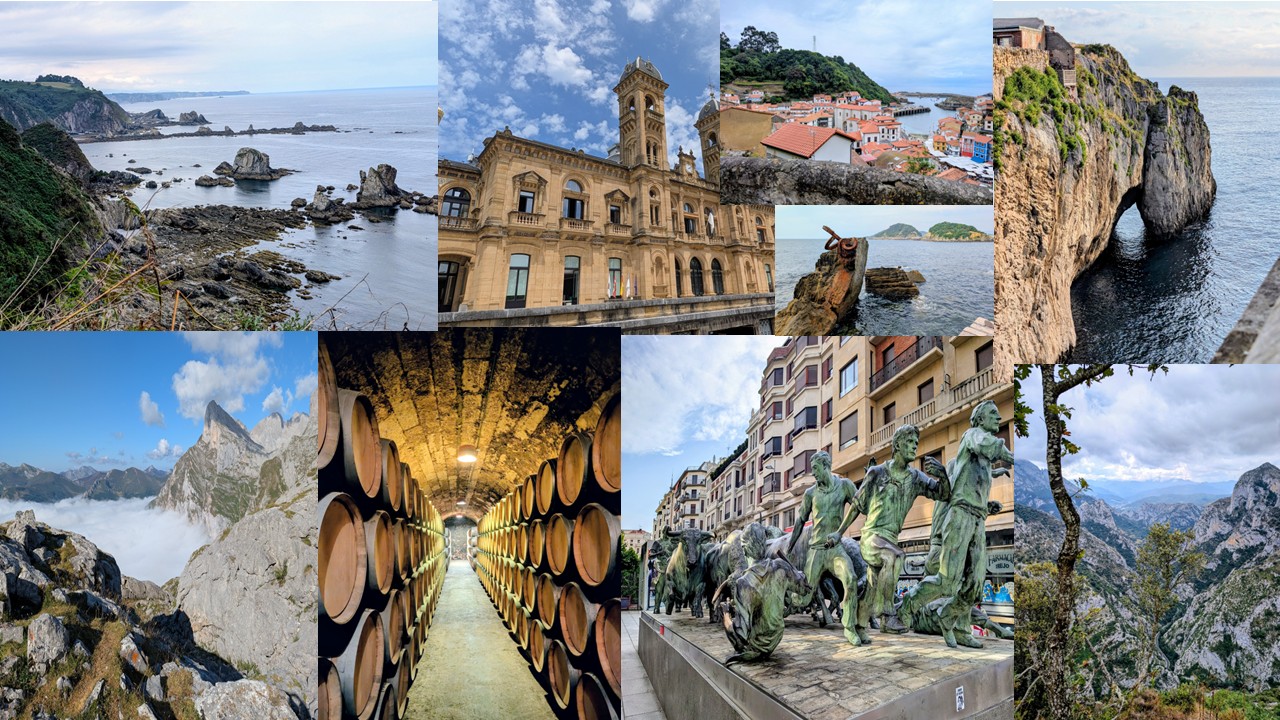
The Green North — Landscapes That Still Matter
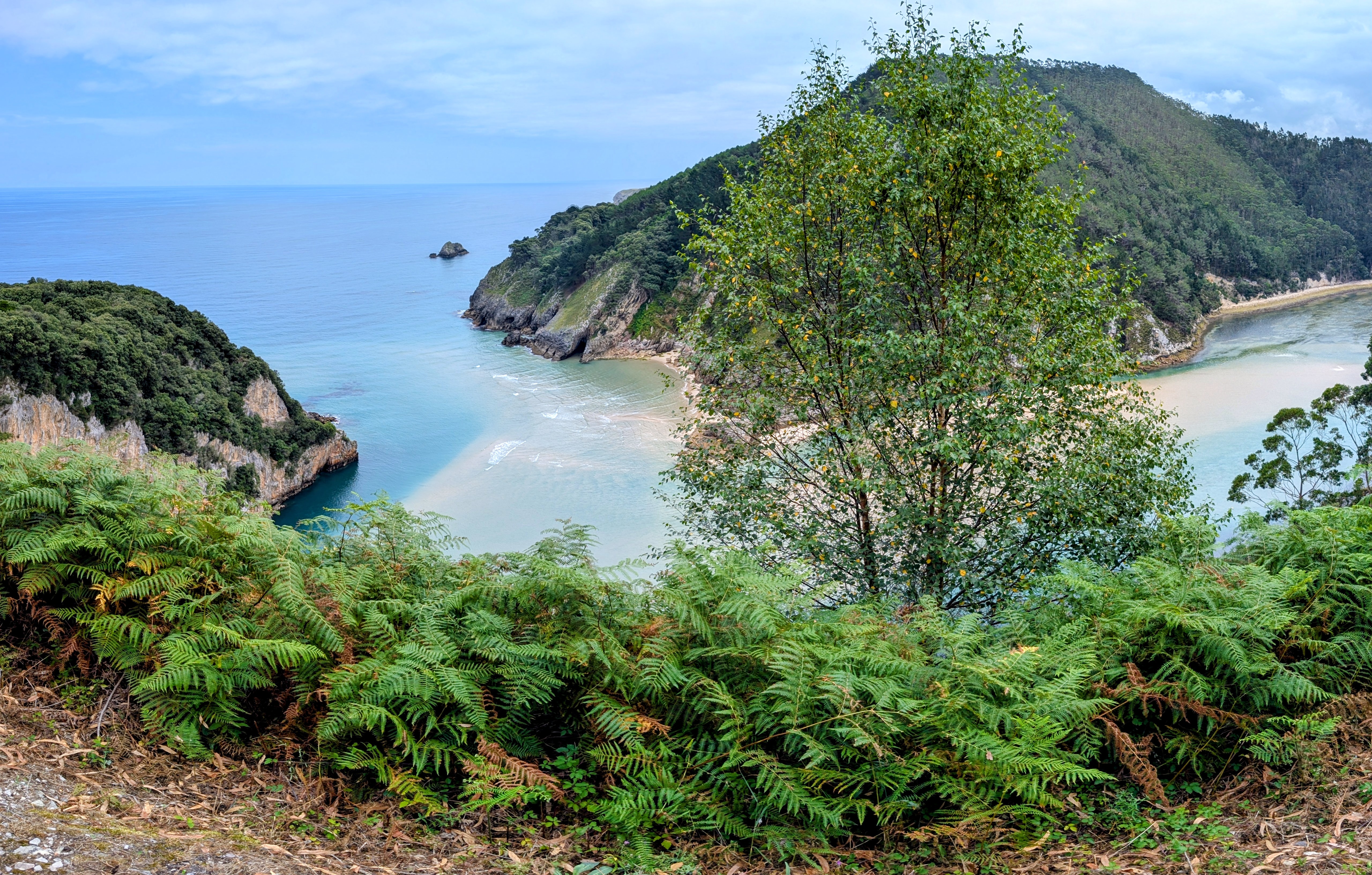
The northern coast revealed a different Spain. Greener. Steeper. More Atlantic than Mediterranean.
The landscapes felt less shaped by people than by geography itself.
Roads wound along cliffs. Villages appeared between mountains and sea. Distance regained importance.
The relationship between place and movement felt different here. Geography still imposed conditions.
The northern regions did not feel isolated.
Gaztelugatxe — The Long Way There
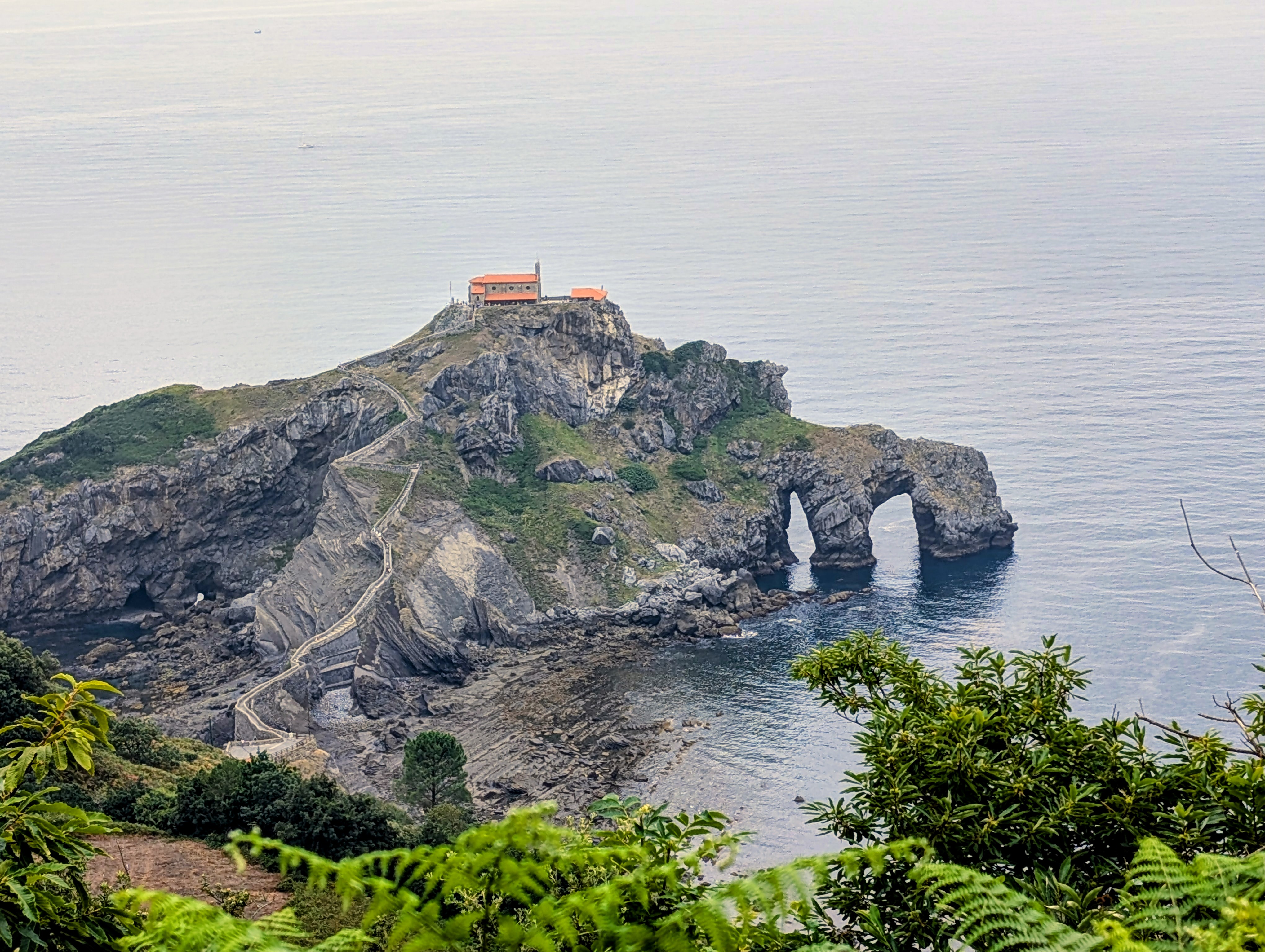
Some destinations remain memorable because of what they are. Others because of what it takes to reach them.
Gaztelugatxe belonged to the second category. The island appeared dramatic from a distance.
A narrow stone bridge connected the mainland to a staircase that climbed steadily toward the small hermitage above. The route felt older than the surrounding attention it now receives through film and television.
Popular culture introduced many visitors to the location. The landscape supplied the lasting impression.
The ocean remained present from every direction.
Castro Urdiales — Where Histories Meet the Sea
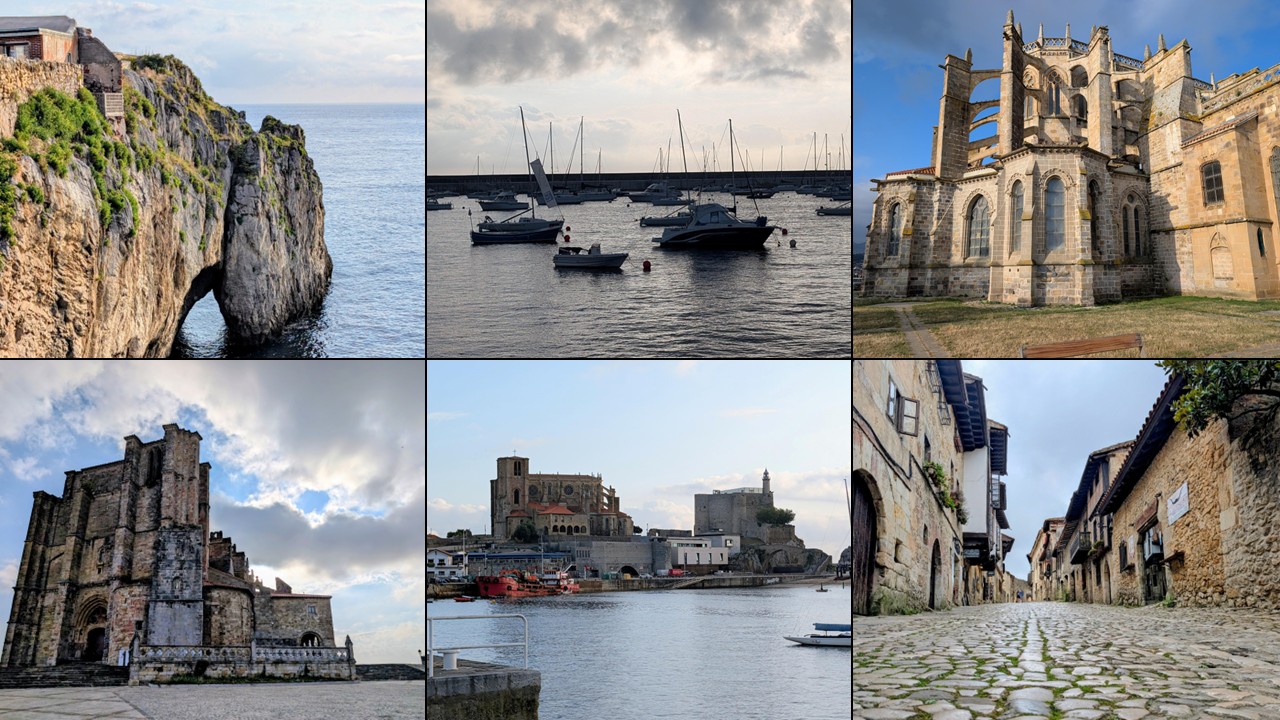
Castro Urdiales felt defined by its relationship with water.
The Church of Santa María de la Asunción rose above the harbor, creating one of those scenes that appear designed by history rather than planning. The sea provided commerce. The church provided continuity. Both shaped the town.
Standing near the harbor, it became difficult to separate natural geography from human geography. Each seemed to explain the other. The result felt distinctly northern.
The Atlantic remained visible not only in the landscape but in the way communities developed around it.
Picos de Europa — Scale
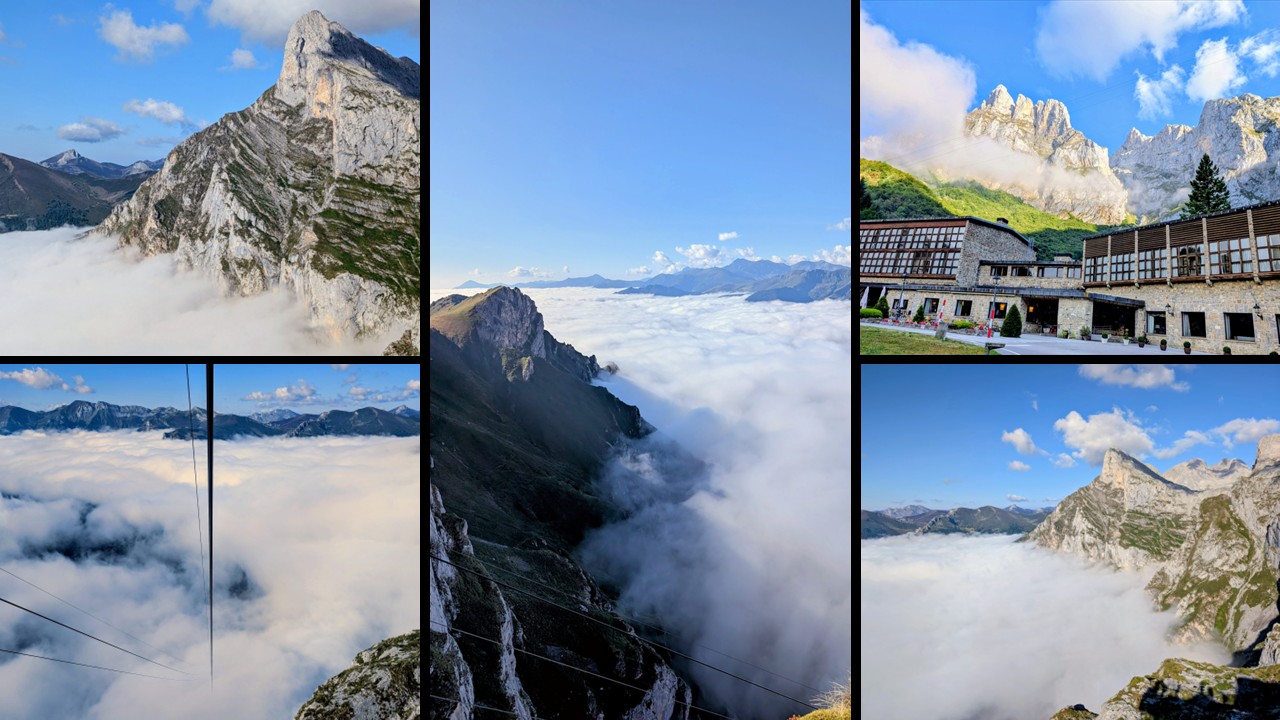
Many parts of the journey focused on human inheritance. The mountains provided a different perspective.
The Picos de Europa reduced human concerns to more appropriate proportions. Roads narrowed. Distances increased. Weather mattered. Terrain mattered.
Movement depended less on preference and more on condition.
The landscape dictated terms. Visitors adjusted accordingly. That relationship felt increasingly rare. The mountains remained among the few places where geography continues imposing limits.
The experience felt refreshing rather than restrictive.
Bulnes — Persistence
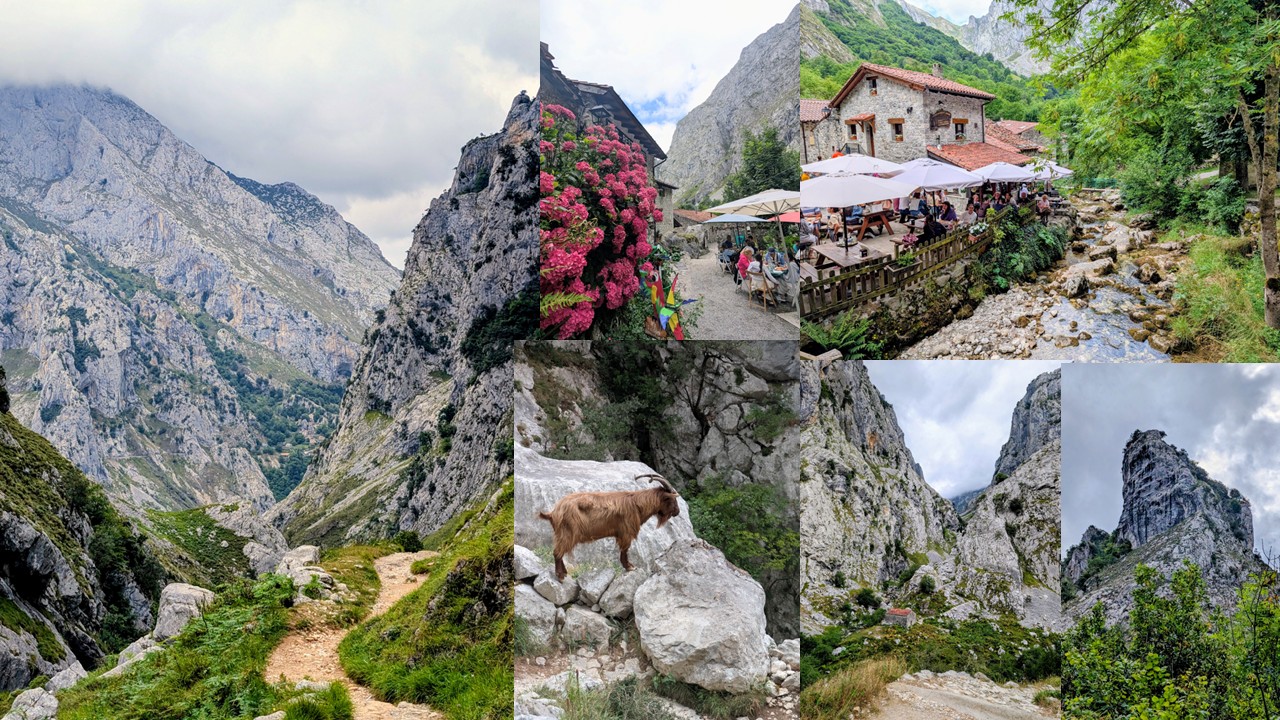
The trail descending from Bulnes revealed another side of the mountains. The route required attention. The path followed terrain rather than convenience.
Steep sections, elevation changes, and narrow passages reminded visitors that not every destination is intended to be easy. The effort became part of the experience. Any physical ailments immediately surfaced. The burdens of descent became a constant theme when observing other hikers.
Bulnes itself seemed preserved partly by that reality. Accessibility remained limited. Character remained intact. The relationship felt connected.
Some places survive because they remain difficult to reach. The tradeoff appeared worthwhile.
Covadonga — Memory in the Landscape
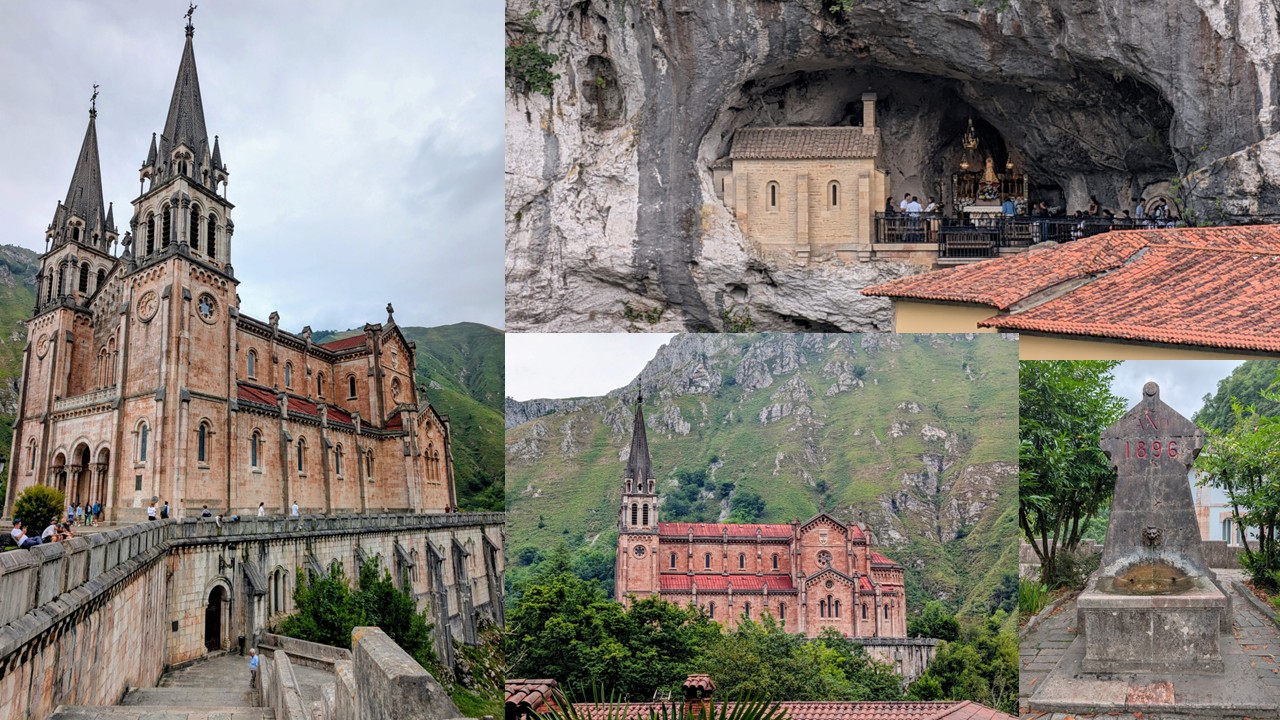
The Basilica of Santa María la Real de Covadonga appeared inseparable from its surroundings. Faith, history, and geography occupied the same space.
The mountains provided scale. The basilica provided focus. Together they felt like a continuation of themes encountered elsewhere throughout the journey. The significance of the site extended beyond architecture.
People returned because the place represented something larger than itself. A story. A memory. An identity.
Covadonga felt like one of those rare places where history still appears anchored to geography.
The Camino — Movement Preserved
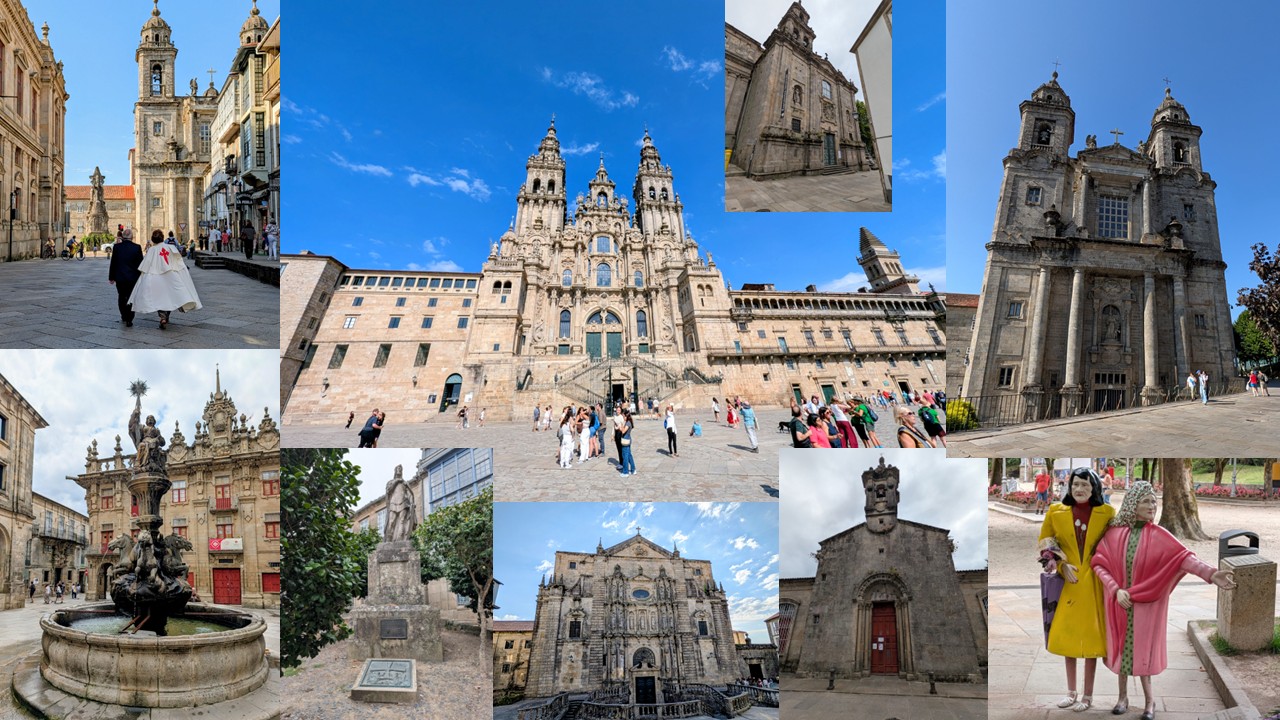
The Camino appeared long before Santiago itself. Road markers surfaced unexpectedly. Shell symbols repeated. Hostels welcomed travelers.
The route rarely demanded attention. It simply remained present. Most historical experiences preserve locations. The Camino preserves movement.
Thousands of people inherit the same road. None inherit the same journey. The path remains. The travelers change.
That continuity felt remarkably alive.
Spain and Argentina — Ninety Minutes Together
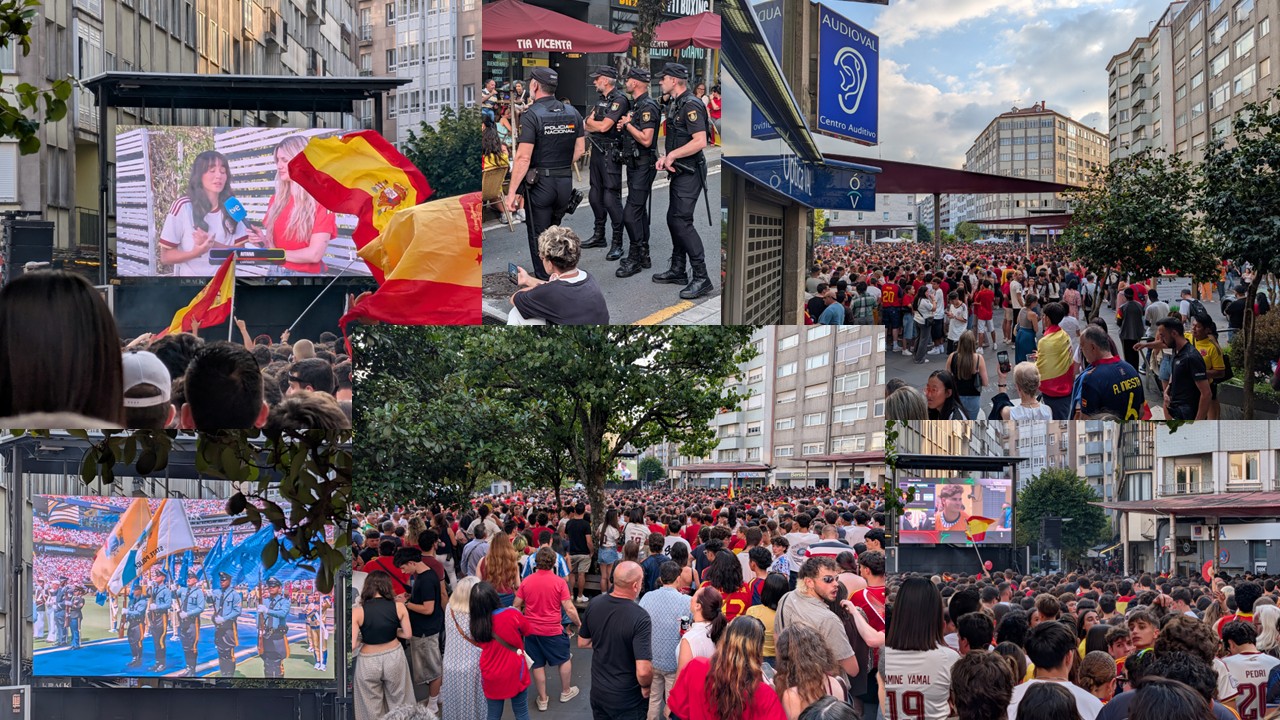
The World Cup match lasted ninety minutes. The gathering felt much older.
Restaurants filled. Public squares filled. Strangers reacted together as though they had known one another for years.
The match provided a reason. The deeper phenomenon was belonging. Every society creates ways for people to participate in something larger than themselves. Pilgrimage. Festivals. Sport. Tradition.
The forms change. The impulse remains.
People continue seeking connection. That desire may be one of the oldest inheritances of all.
Salamanca & La Alberca — Identity Preserved
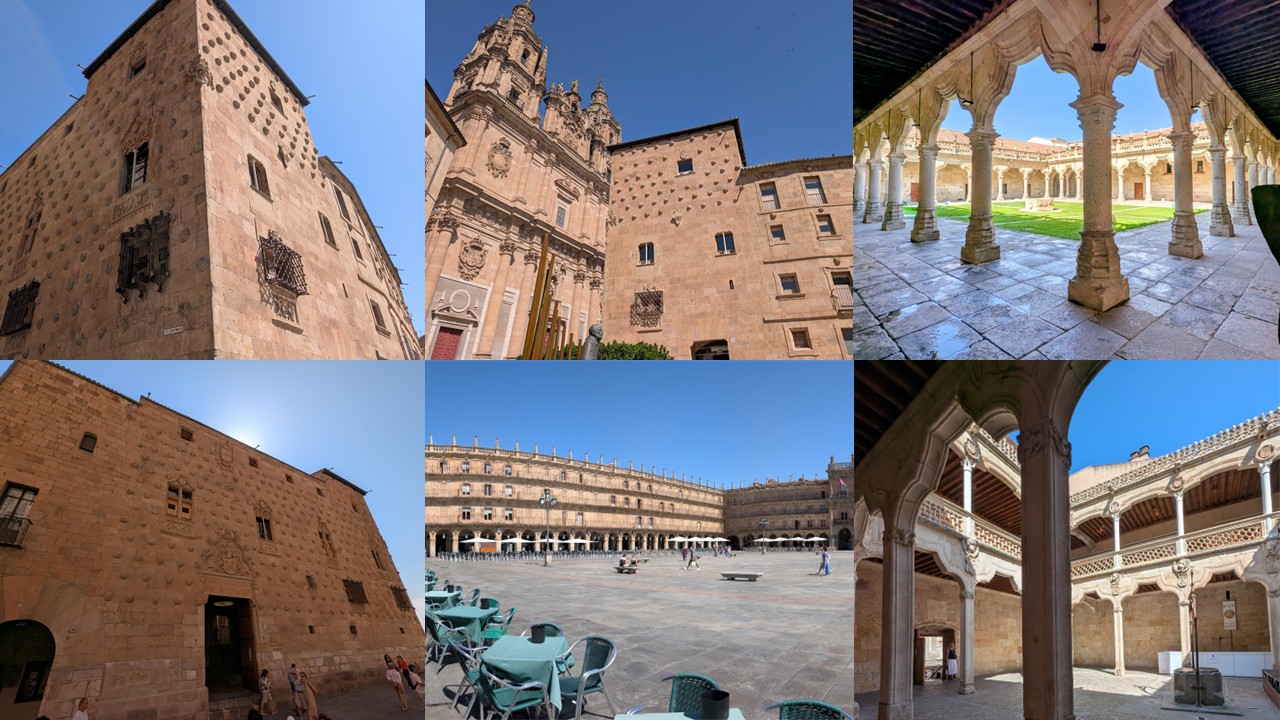
Many places preserve history. Fewer preserve identity.
Salamanca revealed one side of that distinction.
The city remains closely tied to learning, scholarship, and the institutions that shaped it for centuries. Walking through the plazas, university buildings, and cathedral complexes felt less like visiting a historic district and more like moving through a place where purpose continues alongside preservation.
The buildings remain. The function remains. Each generation inherits both.
The experience suggested that continuity does not always require reinvention.
Sometimes it requires commitment.
The Plaza Mayor became a symbol of that idea. The space felt simultaneously historic and alive. People gathered there for reasons entirely unrelated to its original construction. Yet the square continued serving the same broader purpose it always had.
Bringing people together. The architecture survived.
The social function survived with it.
Nearby, the university offered another perspective. Students still move through spaces shaped by centuries of learning. The institution has changed repeatedly. The pursuit of knowledge remains recognizable.
The generations differ. The aspiration persists.
Salamanca felt less like a preserved city and more like a continuing conversation.
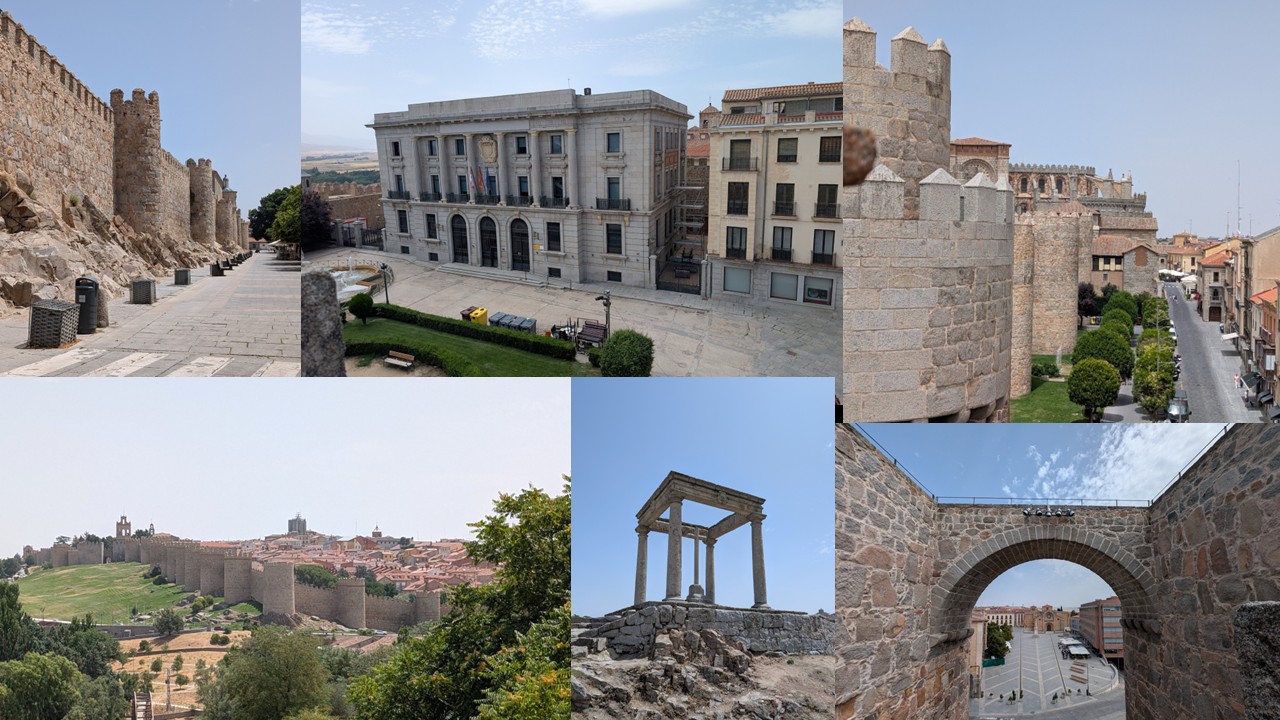
La Alberca revealed a quieter version of the same idea.
The village felt remarkably distinct from many places encountered elsewhere along the route. Traditional architecture remained visible.
Public spaces remained human in scale. The streets encouraged movement on foot rather than speed. Very little seemed hurried.
The experience felt less defined by what had been added than by what had been intentionally retained. Many communities modernize by replacing older forms.
La Alberca appeared to modernize selectively. The village continued functioning in the present while maintaining a strong connection to its past. That balance felt difficult to achieve.
The result was not nostalgia. It was continuity.
The village demonstrated that preservation does not require becoming a museum. A place can remain alive without abandoning its identity. That may be one of the most difficult inheritances to sustain.
The two locations approached the challenge differently. Salamanca preserved purpose. La Alberca preserved character. Both suggested the same lesson.
Not everything survives because it changes.
Some things survive because people continue recognizing their value.
Afterthoughts
On inheritance.
The journey began with inheritance. Not money. Not property.
Knowledge. Standards. Expectations. Mentorship.
At the Rafa Nadal Academy, success felt less like an individual achievement and more like the visible result of lessons passed from one generation to the next.
The same pattern appeared elsewhere.
Cathedrals, monasteries, pilgrimage routes, and regional traditions all reflected the same principle.
Many things survive because someone chooses to teach them.
On memory.
The walls of Girona no longer defend the city. Castles no longer control territory. Historic centers no longer serve the purposes for which they were originally built.
Yet they remain important.
Memory does not preserve the past. It preserves context.
The walls explained Girona. The fortress explained Barcelona. The landscape explained Covadonga.
Places often survive because they continue helping people understand where they came from.
On reinvention.
Not everything survives by remaining unchanged.
Picasso demonstrated that. Gaudí demonstrated that. Bilbao demonstrated that.
The most durable ideas sometimes adapt instead of resist.
The city that survives may not resemble the city that began. The idea that survives may evolve beyond recognition. Change and continuity are not always opposites.
Sometimes they depend upon one another.
On beauty.
The Palau de la Música, the Sagrada Família, and even the vineyards of Rioja suggested the same thing. Beauty is often treated like decoration.
Yet entire generations invest extraordinary effort creating it, preserving it, and sharing it.
Perhaps beauty survives because people continue deciding it is worth the cost.
The structures remain.
The choice remains more interesting.
On participation.
The Camino survives because people continue walking. Pamplona survives because people continue running. Football survives because people continue gathering.
None of these traditions exist independently. Their continuation depends upon participation.
Every generation inherits them. Every generation decides whether to continue them.
That responsibility felt larger than it first appeared.
On northern Spain.
The northern regions often felt different from the Spain many travelers first imagine.
The Mediterranean gradually gave way to mountains, cliffs, rain, forests, fishing towns, and Atlantic coastlines.
Distance felt more significant. Geography felt less negotiated.
The landscapes appeared less shaped by human intention and more by natural conditions.
The result felt quieter.
Often slower.
And occasionally more revealing.
What Stayed
The journey appeared to be about movement. Looking back, it felt equally about survival. Knowledge survived through mentorship. Belief survived through participation. Places survived through memory. Institutions survived through stewardship. Ideas survived through imagination. Cities survived through reinvention. Craft survived through practice. Traditions survived through ritual. Communities survived through belonging.
The landscapes remained memorable. The stronger impression came from continuity. Again and again, the route revealed the same truth.
What survives rarely survives by accident. Someone teaches it. Someone protects it. Someone practices it. Someone believes in it. Someone carries it forward.
That is what stayed.
Field photographs from this journey:
View the photo archive