Galápagos
Some places leave an impression of power. The Galápagos left an impression of fragility. Not fragility as weakness.
Fragility as balance.
The islands are famous for what they contain: giant tortoises, marine iguanas, blue-footed boobies, sharks, sea lions, and species found nowhere else on Earth. What becomes harder to see at first is how much of that uniqueness depends upon conditions remaining exactly what they are.
Isolation created wonders.
It also made those wonders vulnerable. The same forces that allowed life to evolve here made it unusually sensitive to disruption. That tension appeared everywhere.
The Galápagos felt less like a story about survival and more like a story about balance.
The Route (Context)
Baltra → Santa Cruz → Finch Bay → Charles Darwin Research Center → Tortuga Bay → North Seymour → Las Bachas Beach → Divine Bay → Santa Cruz Highlands → Lava Tunnels → South Plaza → Santa Fe → Santa Cruz
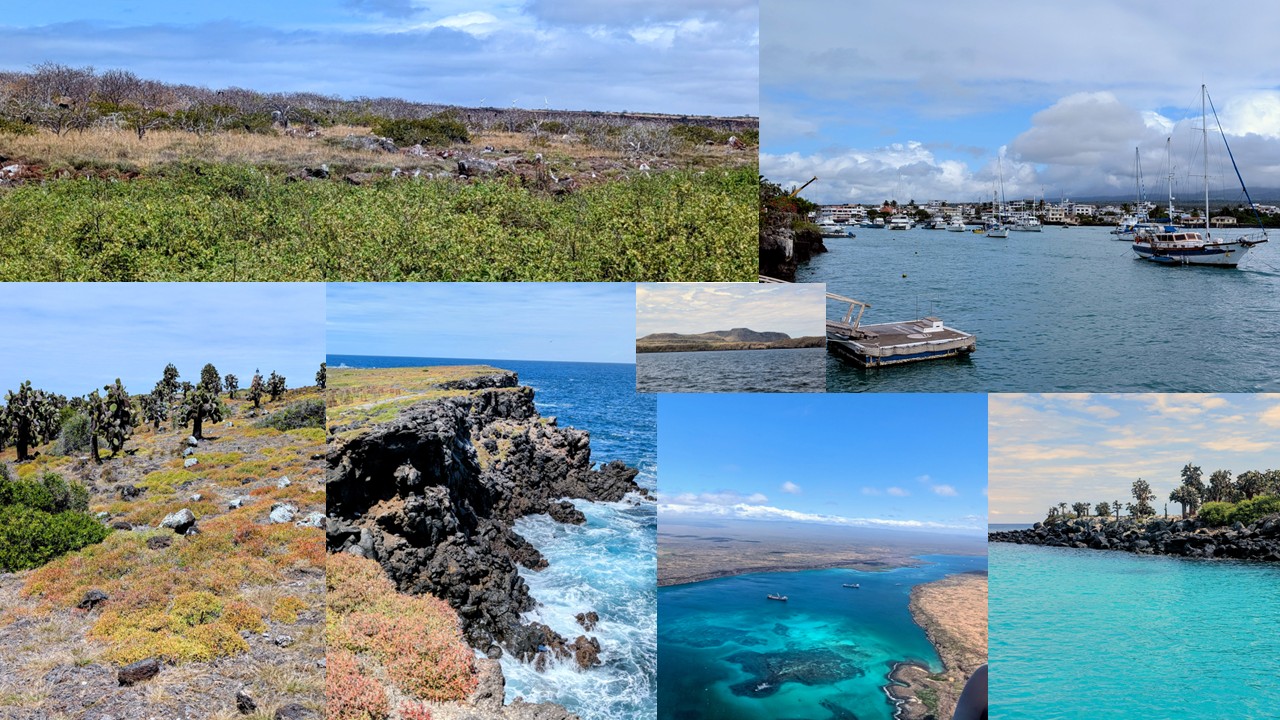
A movement through islands where access is regulated, interaction is limited, and observation often matters more than participation. The route crossed beaches, mangroves, highlands, volcanic landscapes, and open water, revealing how connected systems operate across environments that appear separate.
Movement did not follow a single direction.
Each island expressed the same balance differently. Wildlife, landscape, and ocean conditions shifted from place to place, yet remained connected through the forces that sustained them.
What appeared isolated remained linked through water, adaptation, and continuity.
The Myth Thread — Fragility Is the Price of Rarity
Most places reveal themselves through people. Here, people felt secondary. The wildlife did not adapt to visitors. Visitors adapted to the wildlife. Yet the defining characteristic of the islands was not independence.
It was fragility.
Isolation created wonders found nowhere else on Earth. But isolation also made those wonders vulnerable. The same conditions that allowed life to evolve in extraordinary ways left it exposed to even the smallest disruptions. Survival was never guaranteed.Balance existed, but only delicately. What endured was not strength.
It was equilibrium.
The natural world offered a quiet reminder: The rarest things are often the most fragile. Fragility is not weakness. It is the price of rarity.
The Itinerary (Reference)
View full day‑by‑day itinerary
Day 1 — Arrival
Baltra Airport → Bus → Ferry → Taxi → Ferry → Finch Bay Hotel
Charles Darwin Research Station
Tortuga Bay
Day 2 — North Seymour & Las Bachas Beach
Las Bachas Beach → Snorkeling → Flamingos → North Seymour Island
Blue-footed Boobies → Frigatebirds → Land Iguanas → Marine Iguanas → Nazca Boobies
Day 3 — Divine Bay & Santa Cruz Highlands
Guided Kayak Excursion through Divine Bay
Mangroves → Herons → Egrets → Blue-footed Boobies
Sea Turtles → Young Reef Sharks
Giant Tortoises → Lava Tunnels
Day 4 — Punta Carrion & South Plaza
Snorkeling at Punta Carrion
Reef Fish → Rays → Whitetip Reef Sharks
South Plaza Island
Land Iguanas → Sea Lions → Tropicbirds → Nazca Boobies → Blue-footed Boobies
Day 5 — Santa Fe Island
Santa Fe Land Iguanas
Galápagos Hawks → Sea Lions → Frigatebirds
Snorkeling at La Encañada
Day 6 — Return
Santa Cruz → Baltra → Guayaquil
Arrival — Entry by Permission
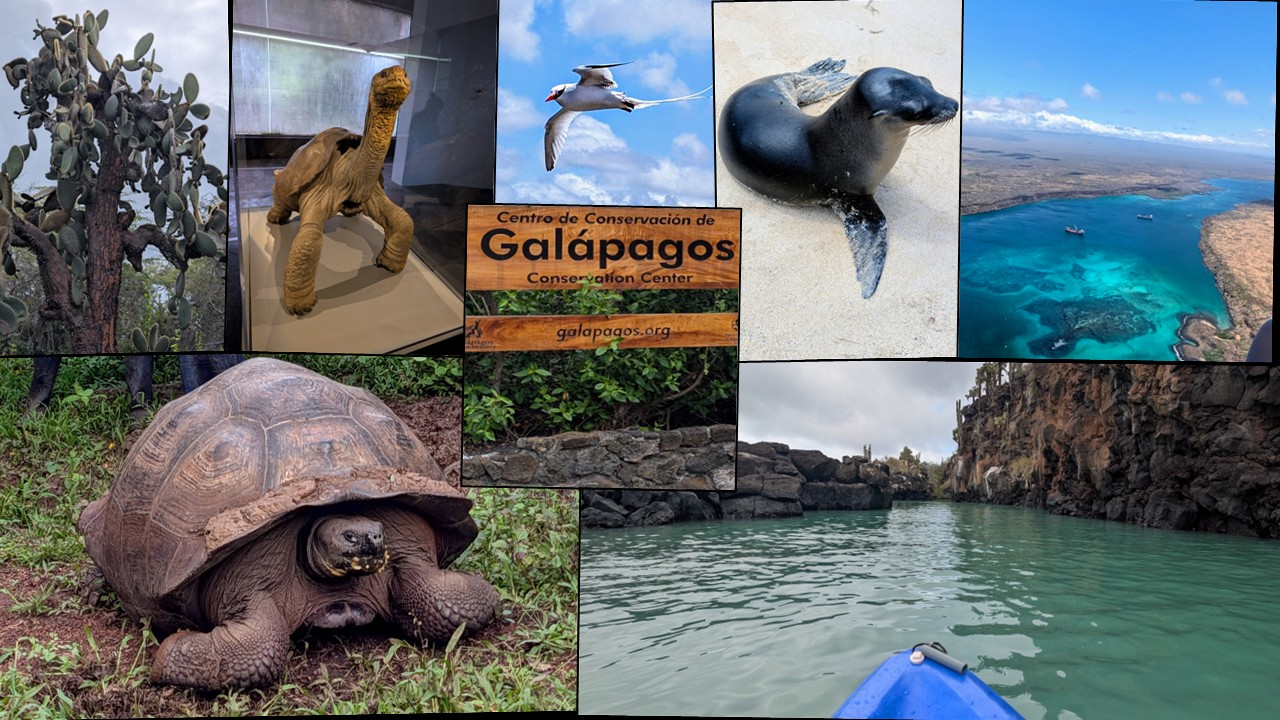
Reaching the hotel required a sequence of transitions—bus, ferry, taxi, another ferry, and finally a walk along the waterfront. Each step reduced the distance, but it also reinforced a different idea. The islands did not feel designed for direct access. Movement required adjustment.
That distance mattered.
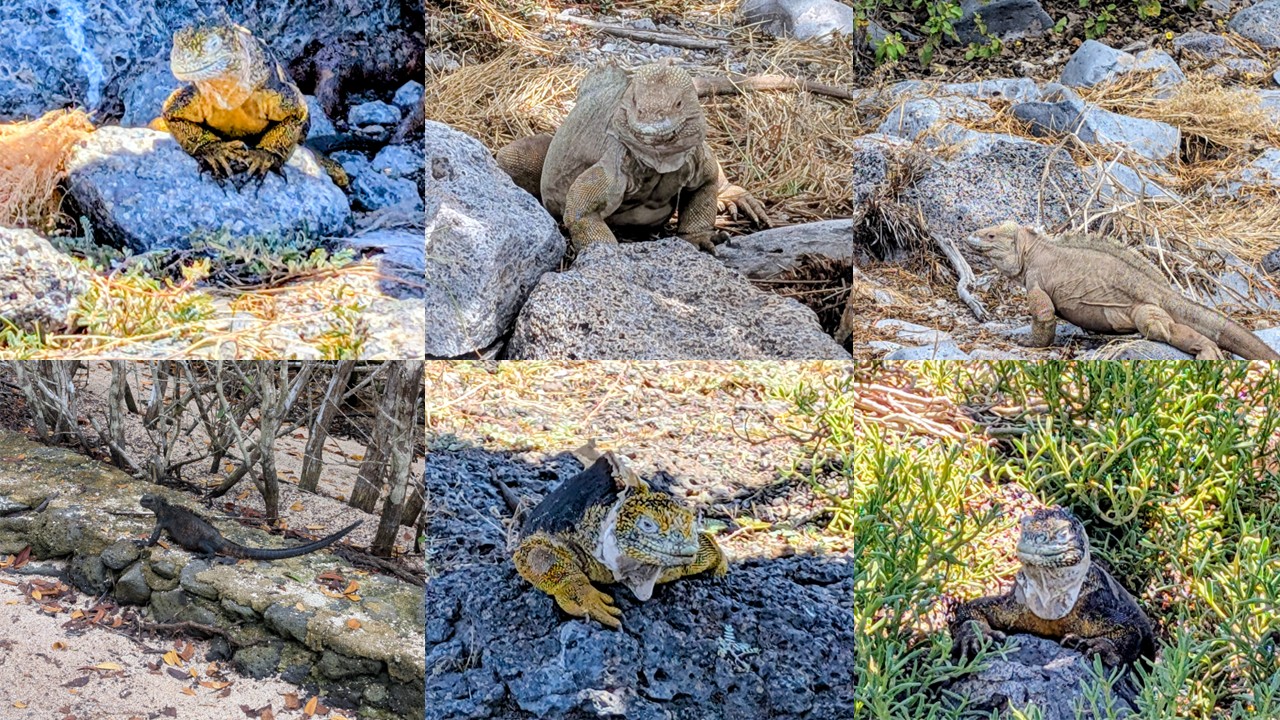
Much of what survives in the Galápagos survives because access remains limited, movement remains controlled, and human convenience is not the organizing principle. Even before reaching the hotel, the pattern was visible.Land iguanas occupied the path ahead, unconcerned by those moving around them. Their slow, deliberate movements occasionally created the impression of acknowledgment, but only because we were inclined to interpret them that way. The distinction became clear quickly. The wildlife was present everywhere, but it was not reacting to us.
We were the newcomers.
Arrival / Iguana Pic
Finch Bay — Living Along the Edge
Most accommodations create separation. The relationship here felt different.
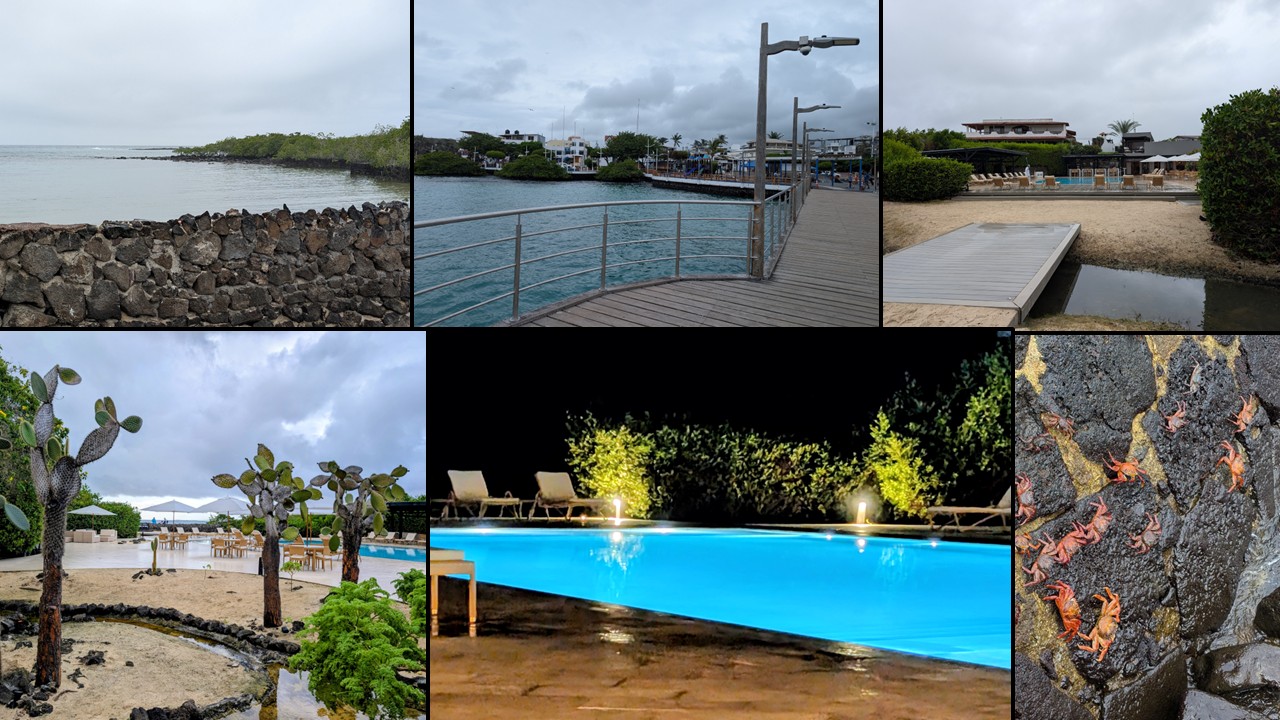
The boundary between visitor and environment remained visible, but lightly enforced. Wildlife moved through the property as naturally as guests moved through the grounds. Excursions departed according to conditions rather than convenience. Access to surrounding islands depended upon permission rather than proximity. The experience was not one of escape from the environment. It was participation within it.
The hotel existed beside the system rather than apart from it.
Finch Bay Pic
Wildlife — Indifference
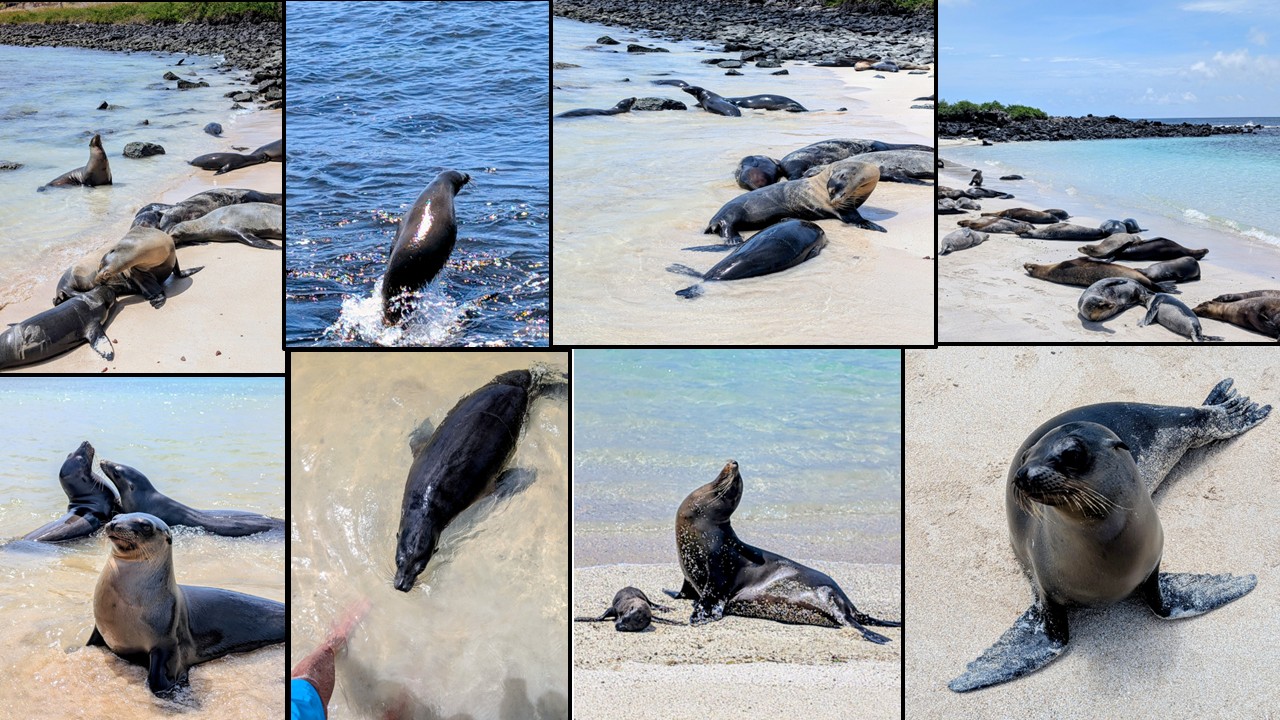
Perhaps the most striking observation was the absence of response. Sea lions rested where they wished. Birds continued their routines uninterrupted. Iguanas occupied paths, rocks, and shorelines with no apparent concern for those passing through. It did not acknowledge observation as something important. The wildlife did not perform for visitors. That indifference felt important.
The animals were not remarkable because they were tame. They were remarkable because they behaved as though people were incidental. The experience carried an implicit lesson:
Nature becomes most extraordinary when it is allowed to remain itself.
Sea Lions Pic
Water — The Real System
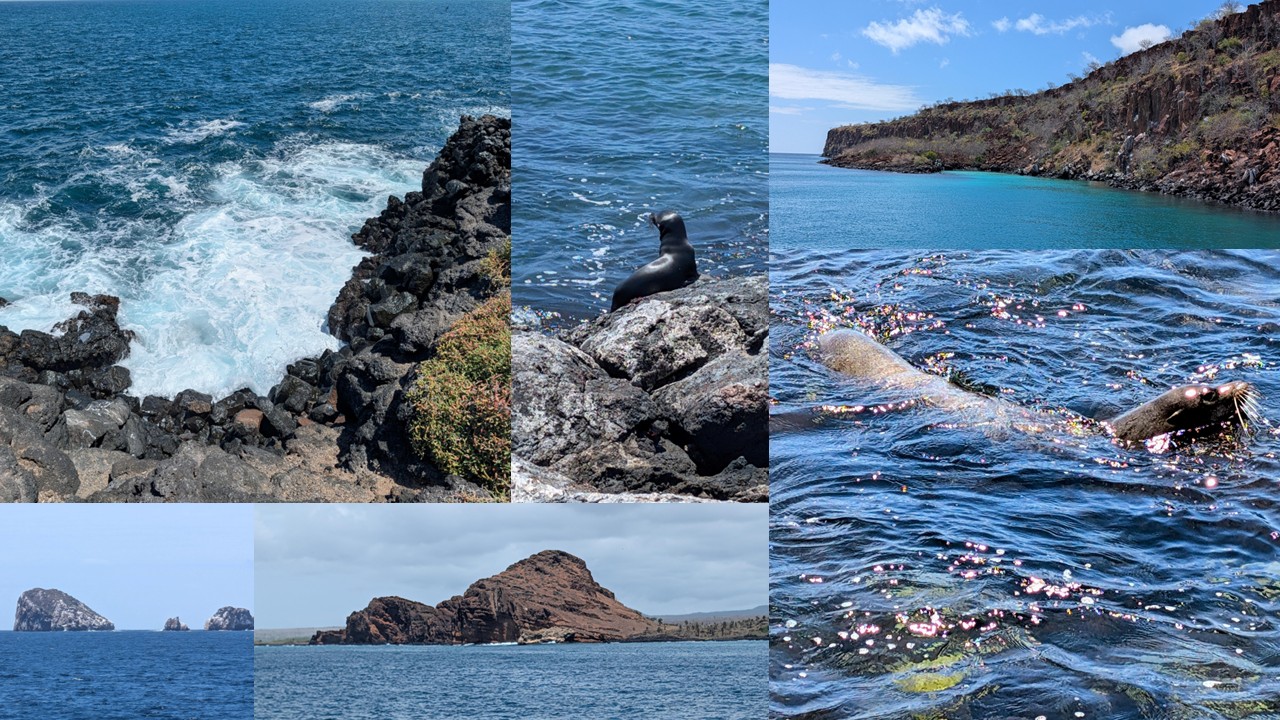
The islands appeared separate, but water connected everything. Movement depended upon it. Access depended upon it. Distance was measured through crossings rather than roads. Every excursion began with departure and ended with return. The water was not simply surrounding the islands. It organized them. What appeared isolated was, in fact, connected.
The water carried the system.
Ocean Pic
Excursions — Access by Permission
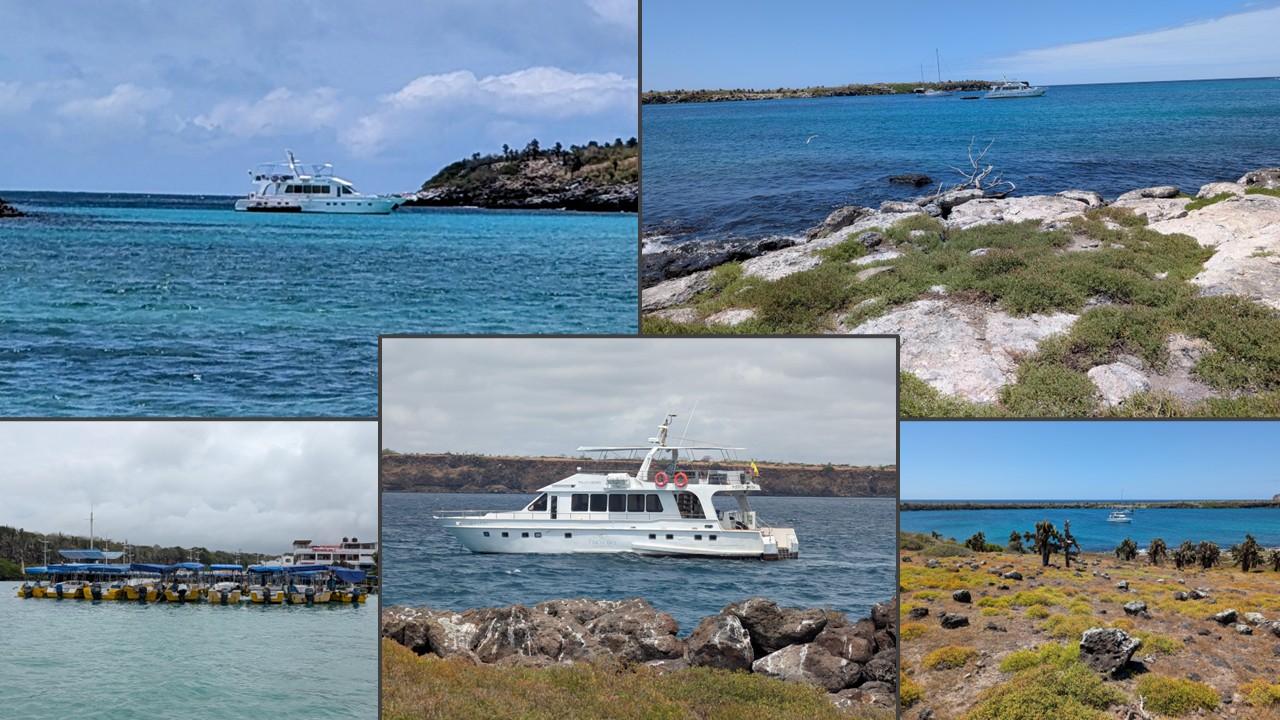
Access rarely occurred directly. Landing sites were controlled. Movement followed marked routes. Wildlife was approached through distance rather than proximity. The restrictions did not feel burdensome. They explained the condition of what remained. The system was not organized for convenience. It was organized for continuity.Observation required participation within those limits. The rules were not separate from the experience.
They were the experience.
Boat Excursion Pic
Divine Bay — Quiet Systems
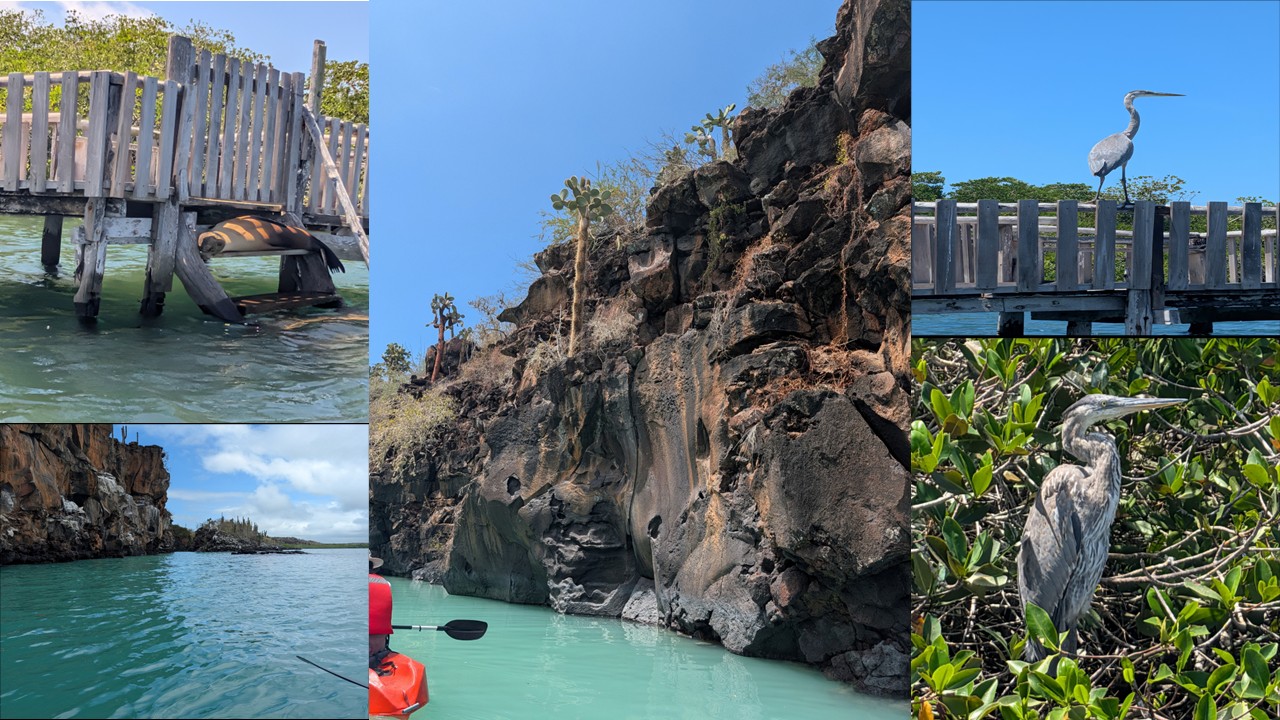
Not every part of the Galápagos announced itself. Moving slowly through the protected waters of Divine Bay revealed a different rhythm. The mangroves formed boundaries that felt natural rather than imposed, creating sheltered spaces where marine and bird life overlapped. Movement slowed. Observation became easier. Nothing appeared arranged for visitors.
Life continued within the shelter the environment provided.
Divine Bay Pic
Below the Surface
Along the shoreline, another layer of the system became visible.
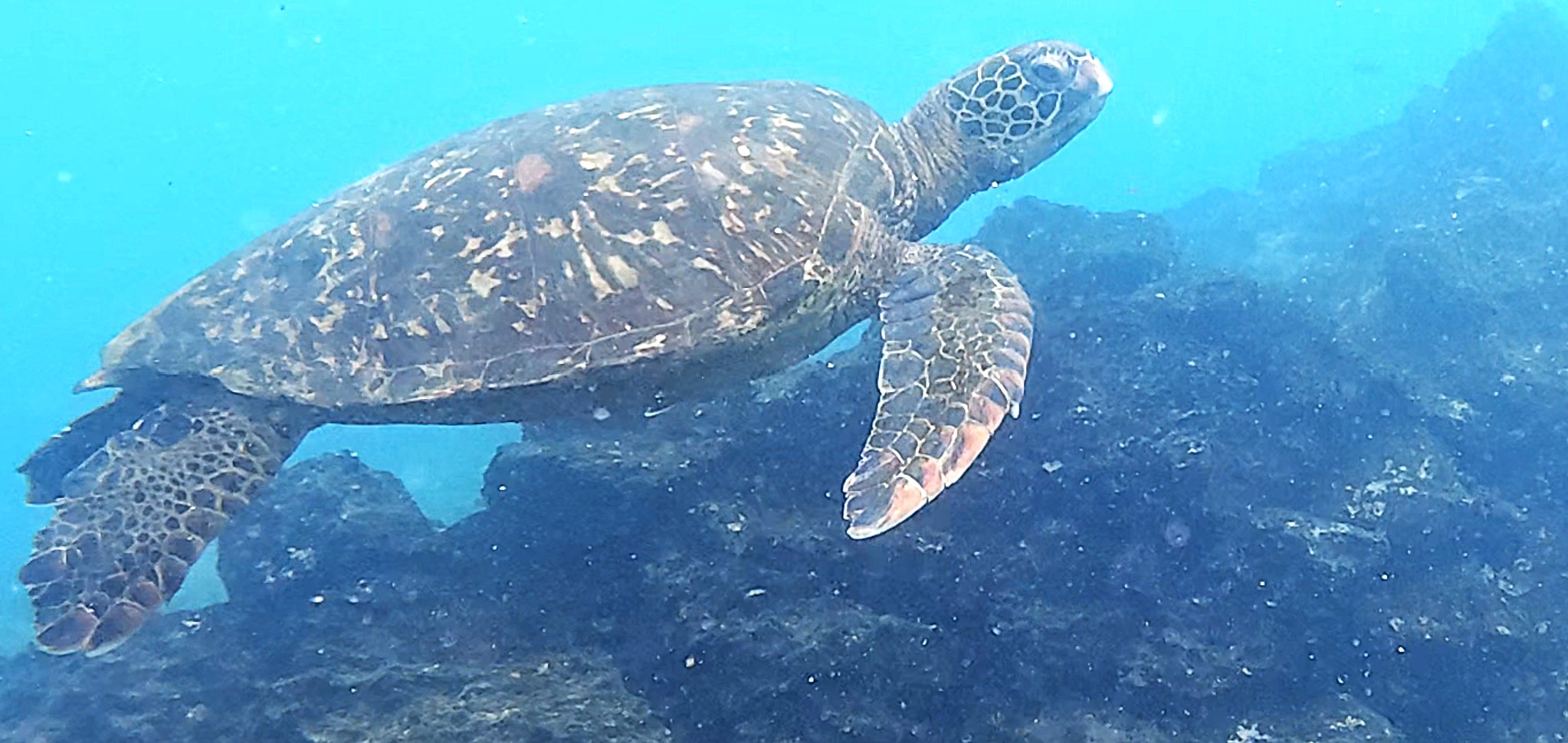
A green sea turtle moved steadily through the shallows, unaffected by the presence of observers above. Its movement felt effortless, following a course that appeared established long before our arrival. The encounter invited attention rather than excitement. Nothing dramatic occurred.
The significance came from witnessing continuity in motion.
Green Sea Turtle
The system extended beyond what could be seen from shore.
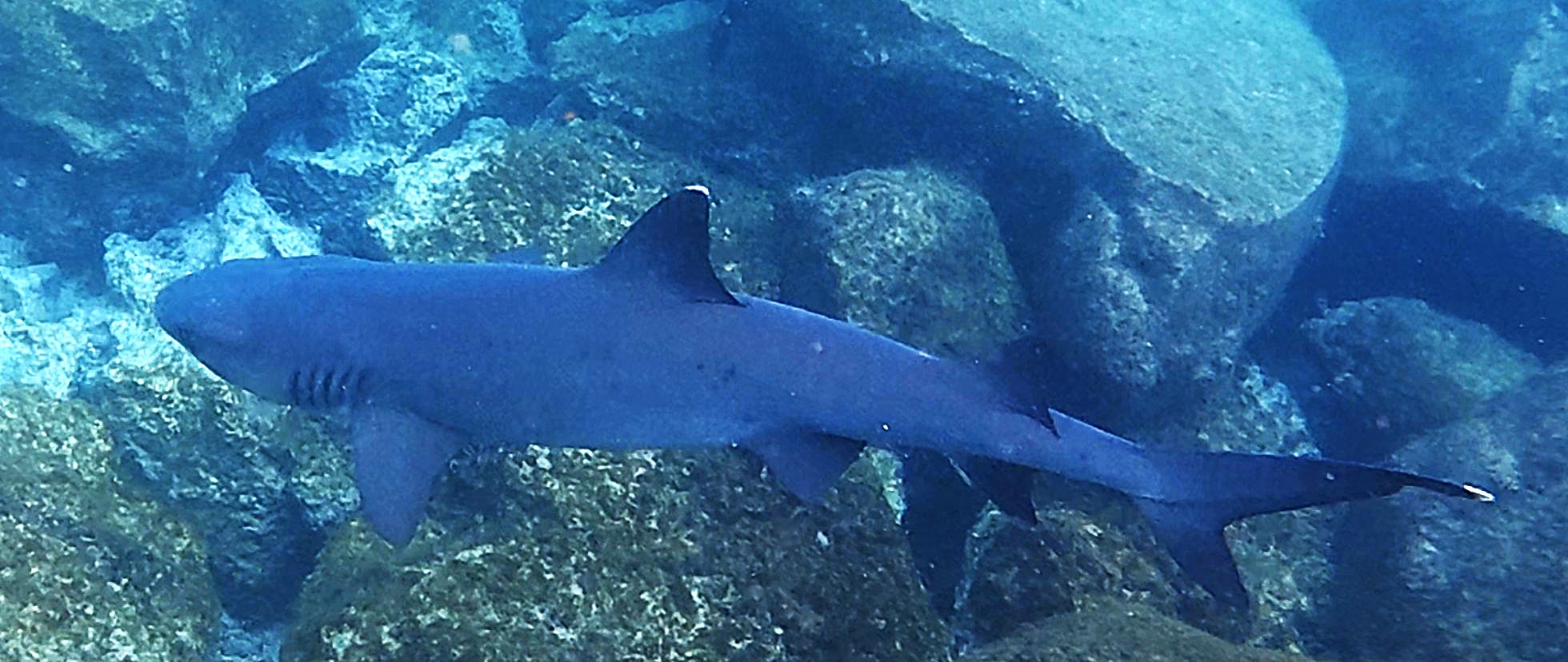
During a snorkeling excursion, visibility opened into another layer of the islands. Fish, currents, and movement existed within a structure operating largely out of sight. At one point, a large shark moved through that space without hesitation or acknowledgment. The encounter felt significant to us. For the system itself, it appeared routine. The distinction mattered. Observation did not alter what was occurring.
It merely revealed it.
Shark Pic
Snorkeling video
Santa Cruz Highlands — Persistence
The surrounding landscape revealed an older form of persistence.
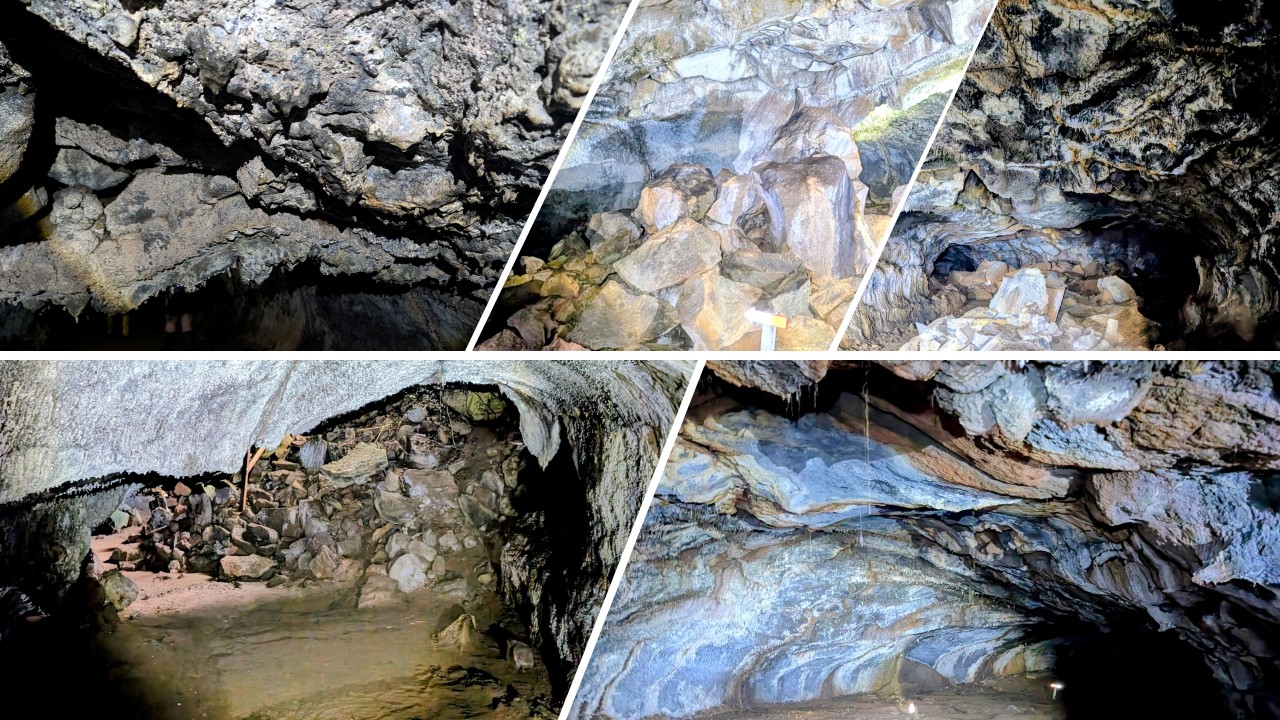
Beneath the highlands, lava tunnels extended through the island—remnants of earlier volcanic activity that helped create the archipelago itself. Walking through them felt less like entering a cave and more like moving through the interior of a process that had never fully disappeared. Their scale was difficult to grasp. One guide described spending eight hours exploring within a tunnel system without reaching its end. What appeared from the surface as a contained feature extended far beyond what could easily be seen or measured. The tunnels remained as evidence of movement long after the lava itself had passed.
The contrast was striking.
Lava Tunnels Pic
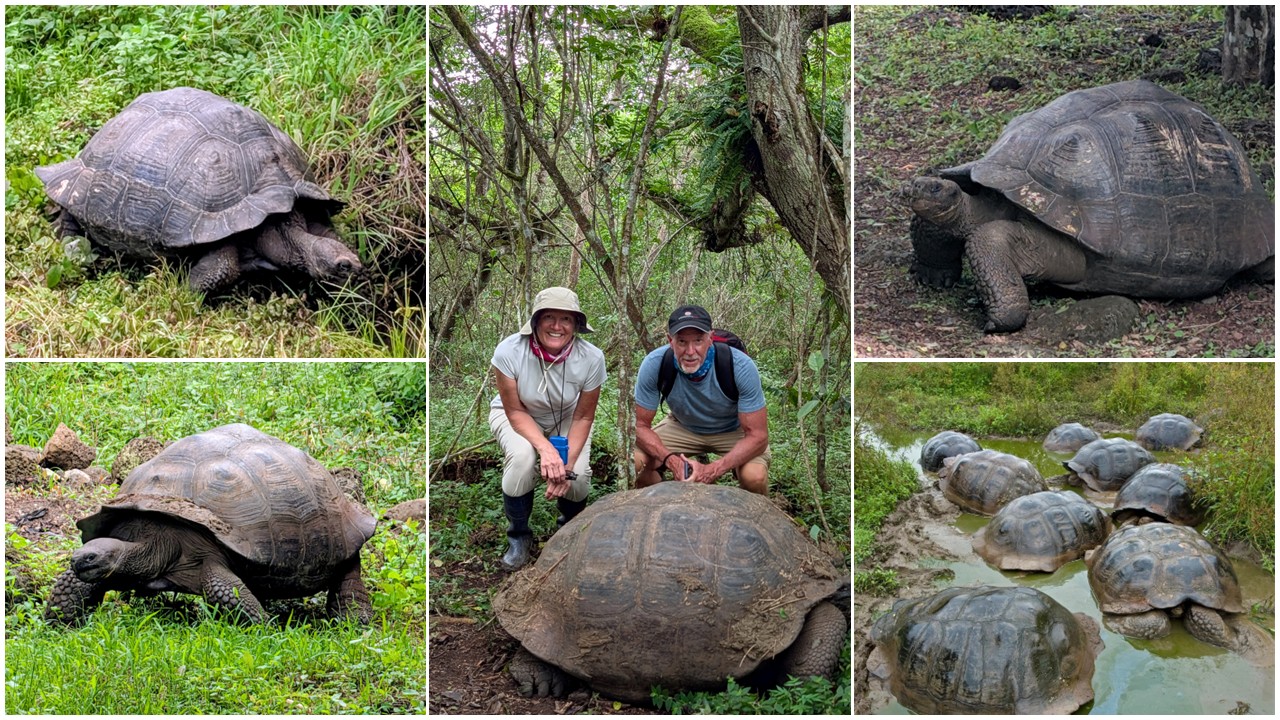
Above ground, giant tortoises continued patterns that had persisted for generations. Below ground, the island carried the record of forces that had shaped it long before any wildlife arrived. Both told the same story. Persistence was not a single thing. It existed across different scales of time.
It reshaped the environment around it.
Tortoise Pic
Continuity — Not Guaranteed
The possibility of loss remained present.
At the Charles Darwin Research Center, conservation efforts focused on species whose future had once become uncertain. Recovery programs reflected a recognition that continuity was not guaranteed simply because it had existed before. Persistence required conditions that allowed it.
Historically, tortoise populations declined through a combination of exploitation and loss. What had once seemed abundant proved vulnerable when those conditions changed. Today, that vulnerability remains visible in a different way. Strict protections and significant penalties reinforce the importance of the species, whether the threat comes from deliberate actions or simple negligence. Continuity was not being preserved because it was inevitable. It was being protected because it was not. The system could adapt. It could also be diminished. The lesson felt larger than conservation.
The rarest things often appear durable precisely because we encounter them at their peak. Their vulnerability becomes visible only when conditions begin to change.
Adaptation — The Darwin Question
The islands repeatedly raised the same question. Why this form here, but not elsewhere? Why this variation on one island and another variation on the next?
Adaptation became visible. Not as theory. Not as explanation. As accumulation. The environment established limits. Life responded to them. Difference emerged not through invention, but through adjustment. The principle became visible in small, unremarkable moments.
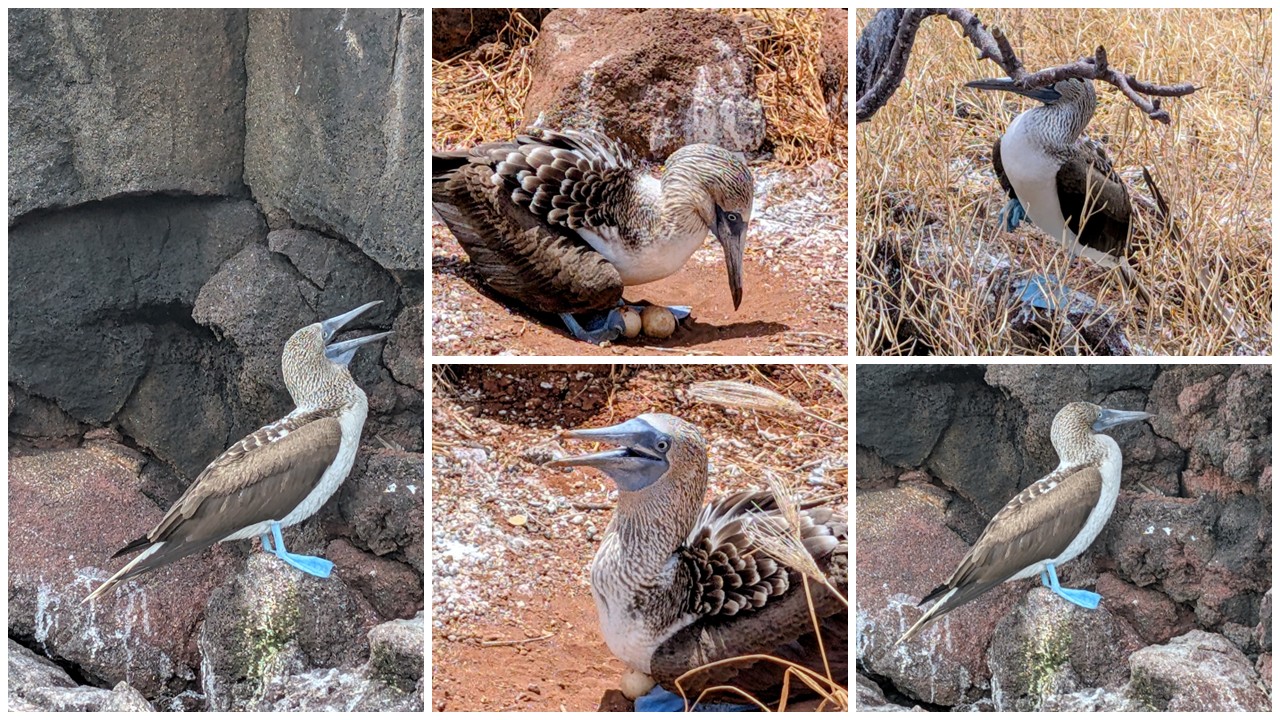
A blue-footed booby covered two eggs beneath her body. The guide explained that not every chick would necessarily survive. Life continued through selection rather than certainty. Nothing about the scene appeared dramatic. That was what made it memorable. The process was ordinary. Adaptation did not occur through exception. It occurred through repetition, generation after generation.
The system continued, even when individuals did not.
Blue-Footed Booby Pic
El Niño — When Balance Shifts
The system was not invulnerable.
Conversations with guides repeatedly returned to the same concern: El Niño. Small shifts in ocean temperature affect food availability across the islands. The consequences are often invisible at first.
For sea lions, they become visible quickly. Newborn pups depend entirely upon their mothers. If a mother does not return, survival becomes uncertain. Other females do not simply adopt additional pups, and the system does not compensate for every loss. The reality felt stark. What appeared abundant and resilient was also dependent upon conditions remaining within certain limits. The system persisted.
Survival within it remained uncertain.
Return
Leaving the islands felt less like departure and more like withdrawal. The system continued exactly as it had before arrival. Wildlife would remain. Currents would continue. The landscape would keep shaping what could exist within it. Nothing required our presence. The realization was humbling. What made the Galápagos remarkable was not what it provided to visitors. It was how little it required from them. The reality felt stark. The islands appeared timeless. They were not. What looked permanent depended upon countless conditions remaining within narrow limits. Food availability, ocean temperatures, rainfall patterns, migration cycles, and breeding success all remained connected through relationships that were easy to overlook until something shifted.
The system persisted. Its balance remained fragile. The distinction mattered. Abundance was not permanence. What appeared resilient often depended upon conditions that could change unexpectedly. The lesson extended beyond the islands themselves. The rarest things are often assumed to be enduring simply because they have survived for so long. Yet rarity and vulnerability frequently travel together. The Galápagos did not demonstrate invincibility. It demonstrated balance.
And balance, however beautiful, is never guaranteed.
Afterthoughts
On observation
Observation changes many things.
Here, it changed very little.
The system continued largely unaffected by the act of being seen.
On wildlife
The wildlife was not rare because it was distant.
It felt remarkable because it was indifferent.
Presence did not create interaction.
It simply created proximity.
On adaptation
Life appeared shaped by condition rather than intention.
Environment established limits.
Adaptation followed.
On boundaries
Access existed everywhere.
Freedom did not.
The distinction mattered.
Observation required distance, patience, and restraint.
On people
Human presence felt conditional.
The system accommodated visitors without reorganizing itself around them.
On place
Many destinations become memorable because of what they contain. The Galápagos became memorable because of what it permitted. Wildlife remained wildlife. Landscapes remained landscapes. The experience was shaped less by access and more by restraint. Very little felt curated. Very little felt performed. The islands allowed the natural world to remain the primary subject. That distinction mattered. It changed how observation felt.
The experience became less about finding something and more about noticing it.
Practical notes
The Galápagos rewards patience more than activity. Distances that appear short often require multiple forms of transportation. Weather conditions affect movement. Wildlife encounters occur frequently, but rarely according to expectation. Pack fewer assumptions than equipment.
The most memorable moments often arrived between planned activities rather than during them.
For those interested in photography, a moderate zoom lens proved more useful than extreme magnification. Distance is part of the experience, and much of the wildlife can be observed without approaching it.
Ethics & Presence
The Galápagos felt different because limitations remained visible. Access was controlled. Distances were enforced. Interaction was restricted. At first, those rules appeared designed to protect wildlife. Over time, they appeared designed to protect something larger.
The balance itself.
The islands demonstrated a principle that extends well beyond conservation. Not everything valuable can withstand unlimited access. Some places remain extraordinary precisely because boundaries continue to exist.
The experience became more rewarding when observation replaced interaction and patience replaced proximity.
If we did it again
We would spend more time and move less. More days on fewer islands. More observation and fewer objectives.
The excursions were excellent, but many of the most memorable moments occurred between them: watching marine iguanas move across volcanic rock, following sea lions from the shoreline, or simply sitting beside the water as the day changed.
The islands revealed themselves gradually.
Given the choice, we would allow even more time for that process.
What stayed
The reality felt stark. The islands appeared timeless. They were not. What looked permanent depended upon countless conditions remaining within narrow limits. Food availability, ocean temperatures, rainfall patterns, migration cycles, and breeding success all remained bound together through balances that were rarely visible until they began to shift. The system persisted. Its balance remained fragile. The distinction mattered. Nothing here felt fragile at first. That was precisely the point. The rarest things rarely announce their vulnerability. They simply depend upon conditions we learn to appreciate only when they begin to disappear.
Fragility is not weakness. It is the price of rarity.
Field photographs from this journey:
View the photo archive
More Field Notes
See other movements across landscapes:
Green Sea Turtle, Shark, Yellow-tailed surgeonfish, StingRay