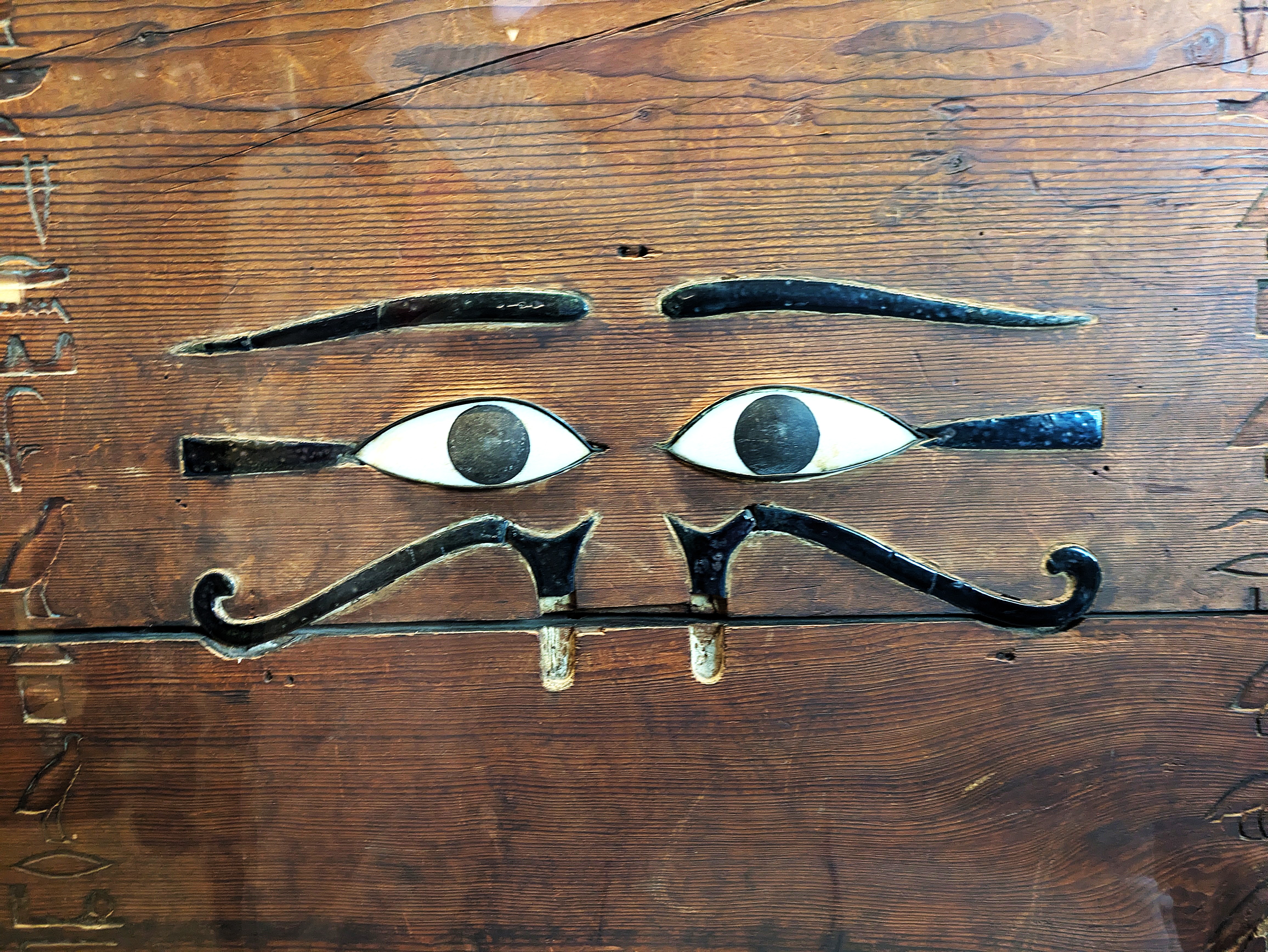
Jordan & Egypt
Jordan and Egypt didn’t reveal themselves through lists of monuments or scheduled stops. They revealed themselves through movement — over stone, across desert, along water. This trip felt like an unlayering, not of history, but of pace.
The Route (Context)
Dead Sea → Madaba → Petra → Kerak → Amman → Cairo → Giza → Luxor → Nile Cruise → Aswan → Cairo
A route that moved across valleys, canyons, and riverbanks — one that tied landscapes together more than borders.
The Myth Thread — Isis, Osiris, and the Shape of Egypt
Egypt’s oldest stories read less like mythology and more like a slow river memory—one carried across centuries, settling into the banks and temples the way silt settles at the Nile’s edge. Of all these stories, none shapes the landscape more profoundly than the tale of Isis and Osiris, a narrative of love, betrayal, devotion, and cosmic repair. Osiris was not simply a king; he was the model for kingship itself. He taught people how to grow grain, how to measure the seasons, how to live in balance with the rising and falling of the river. His rule was not domination but harmony—a kind of steadying gravity in human form. His brother Set, restless and wild-edged, belonged to the desert—the land of dry winds and red stone, where nothing holds and everything scatters. Set didn’t just kill Osiris; he collapsed the center of the world. The moment Osiris’s body slipped into the Nile, order fractured. Isis, sister and wife, became the hinge of the story. She is devotion sharpened into action. Her grief is a form of navigation. She searches the riverbanks, marshes, and towns, gathering whispers the way one gathers reeds. When she finds Osiris, Set strikes again—shattering him into pieces and scattering them across Egypt. Her response is not rage but reassembly. This is the heart of the myth: the world breaks → Isis restores it → new order emerges. Every piece she gathers becomes a place of significance, a site where the physical and the spiritual touch. You can feel this as you move along the Nile. Cities become fragments. Temples become ribs. The landscape becomes an anatomy lesson of resurrection. When Isis finally reassembles Osiris, she does not return him to the living world. She brings him somewhere else—to the realm beneath, where he becomes the calm, just ruler of the dead. This is not a downgrade; it is Egypt’s deepest promise of continuity: life flows into death the way the Nile flows into the sea. From their union comes Horus, the falcon god, whose long struggle with Set isn’t one climactic fight but years of contests—legal, magical, physical. The outcome defines kingship. Every pharaoh becomes the “Living Horus,” inheriting the right to maintain balance, ward off chaos, and keep the Nile’s rhythm steady. Traveling through Egypt, the myth becomes less like a story and more like an undercurrent:
In Luxor, Osiris is the model for death and rebirth. In Edfu, Horus still battles Set in the carvings. In Kom Ombo, the dual gods mirror the tension between order and disorder. And on Philae, the island sanctuary of Isis, you feel the stillness where restoration began.
In this reading, the Nile is not a river—it is the spine of a god, and the journey through Egypt is an echo of Isis’s long search. The geography becomes narrative. The temples become chapters. The trip becomes a kind of reenactment—slow, deliberate, and shaped by the knowledge that creation requires both breaking and binding back together. This thread sits beneath the journey that follows, not as history, but as atmosphere — a mythic undercurrent running parallel to the days on the ground.
The Itinerary (Reference)
Jordon & Egypt at a Glance
-
Day 1: Arrival & Dead Sea
-
Day 2: Dead Sea Leisure Day & Tour Kickoff
-
Day 3: Bethany Beyond the Jordan (Baptismal Site)
-
Day 4: Mount Nebo, Madaba, Shobak & Petra
-
Day 5: Petra and the Ancient Nabataean City
-
Day 6: Kerak Castle, Local Family Lunch & Amman
-
Day 7: Flight to Egypt & Cairo
-
Day 8: Pyramids, Sphinx & Saqqara
-
Day 9: Luxor & Karnak Temples
-
Day 10: Dendera Temple, Luxor Temple & Nile Cruise Embarkation
-
Day 11: Valley of the Kings & Hatshepsut Temple
-
Day 12: Edfu Temple of Horus & Kom Ombo
-
Day 13: Abu Simbel & Cruise to Aswan
-
Day 14: Philae Temple & Return to Cairo
-
Day 15: Cairo Open Day
Day 1 · Arrival → Dead Sea
Settle into Jordan by water.
Overnight: Dead Sea
DeadSea Pic
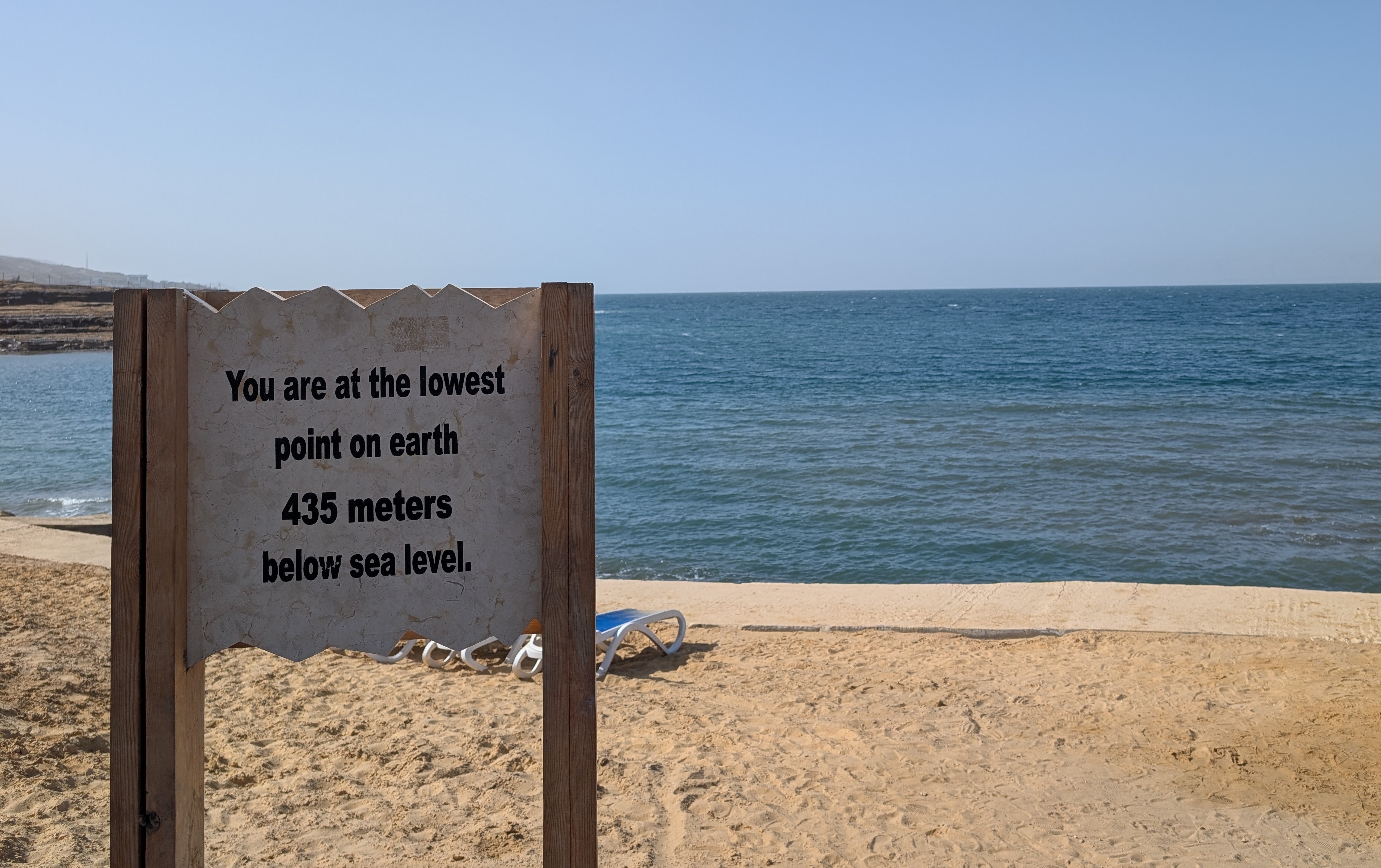
Day 2 · Slow Day → Tour kickoff in the evening
Overnight: Dead Sea
Day 3 · Baptismal Site
Visit “Bethany Beyond the Jordan,” the traditional location of Jesus’s baptism. Located on the east bank of the Jordan river.
Overnight: Dead Sea
Day 4 · Mount Nebo → Madaba → Shobak → Petra
Mount Nebo, the reputed burial site of Moses, overlooking the Jordan Valley and the Dead Sea. Views, mosaics, castle ruins, and a slow descent into Petra.
Overnight: Petra
Petra Pic
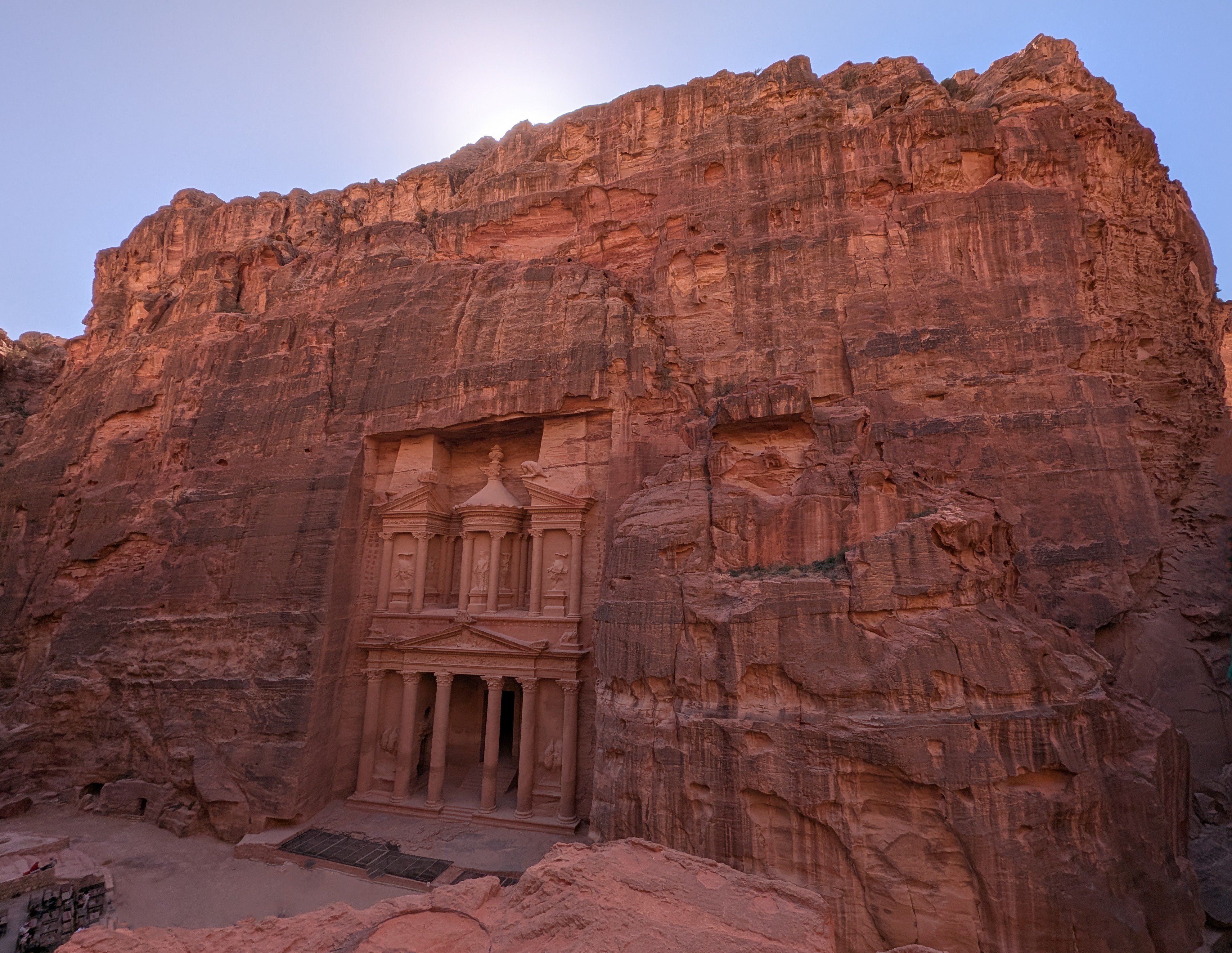
Day 5 · Petra
Exploring Petra, a UNESCO World Heritage Site. The “rose red” city hand-sculpted from a mountain range by the Nabateans in the 3rd century BC. Walk through the “Siq,” a winding canyon road leading you to, the towering Treasury building rising over 140 feet. Beyond, discover soaring temples, elaborate royal tombs, a theater, burial chambers and water channels, all remnants of a once great Nabatean culture.A full day among canyons and carved stone.
Overnight: Petra
Day 6 · Kerak → Local Lunch → Amman City
Kerak, situated on the King’s Way. The city is known for its Crusader Kerak Castle, dating back to the 12th century.Castle, lunch with a local family, and Roman + hilltop history. Travel to Amman, often referred to as the “White City” because of the white stone used to build the houses.
Overnight: Amman
Day 7 · Flight to Egypt → Cairo
Arrive, settle, evening orientation.
Overnight: Cairo
Sphinx Pic
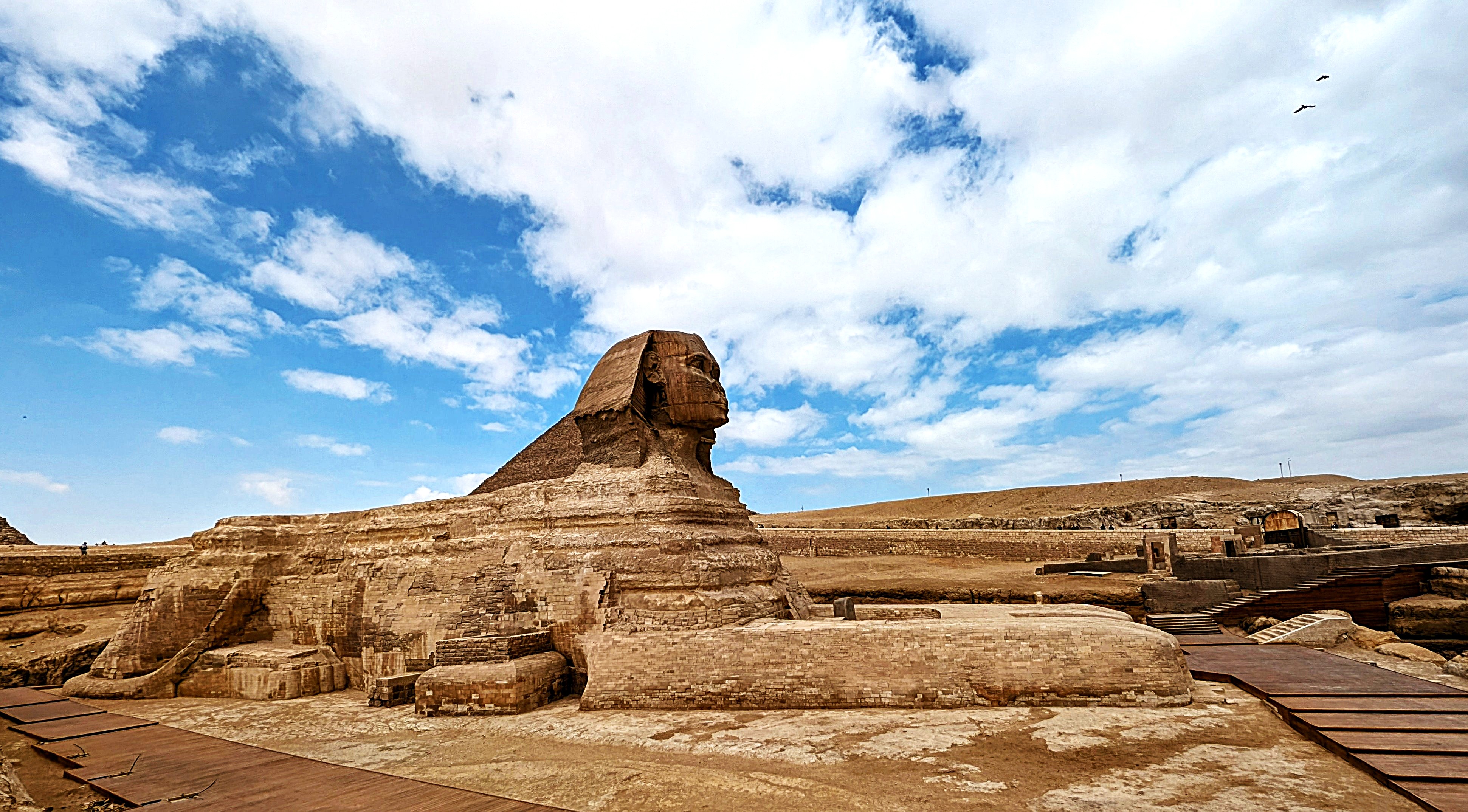
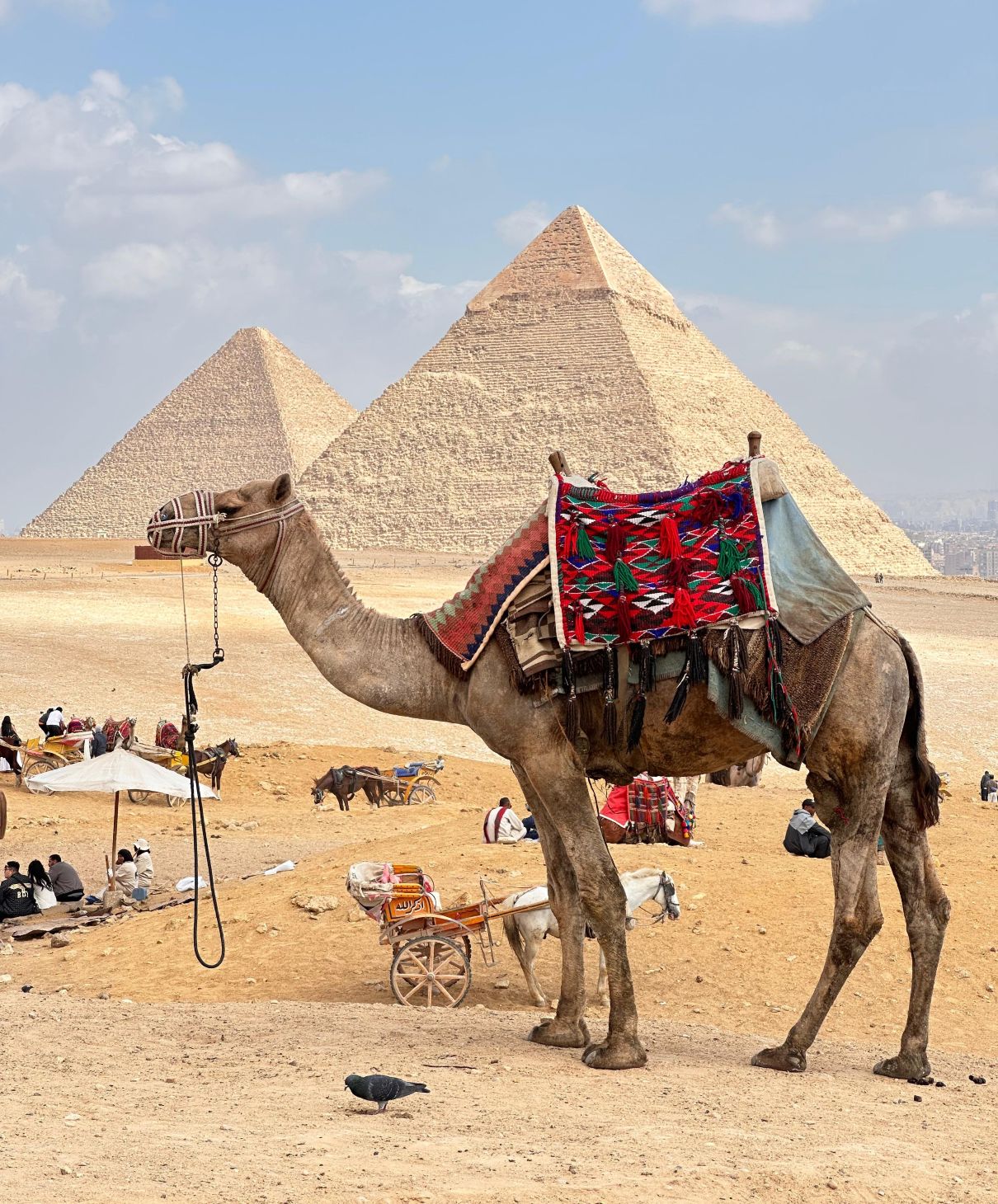
Day 8 · Pyramids, Sphinx, Sakkara
Iconic monuments and early dynastic sites.
Overnight: Cairo
Pyramids Iconic Pic
Day 9 · Luxor → Karnak Temples
Flight south, exploring massive hypostyle halls. Visit the magnificent Temples of Karnak, dating back over 3,000 years.
Walk along the avenue of the Sphinxes and marvel at the Hypostyle Hall with its 134 massive sandstone columns.
Overnight: Luxor
Day 10 · Dendera → Embarkation → Luxor Temple
Explore Dendera Temple, one of the best-preserved temple complexes in Egypt, located on the west bank of the Nile, approximately 40 miles away from Luxor. Tour the Temple of Hathor, dedicated to the wife of god Horus. Marvel at the spectacular ceiling painting in the main hall, displaying stars, planets, and symbols of the Roman zodiac. The colors seen throughout the temple complex are original, and amazingly vibrant. Visit the temple crypt, and climb the staircase up to the roof. Travel to Luxor, where you will find the colossal statues of the pharaoh Ramses II. Then transition onto the Nile.
Overnight: Nile Cruise
Where joy has architecture. Dendera is the soft heartbeat of Egypt — a hymn carved in blue and gold. Hathor, goddess of music and delight, pours milk-light onto the world here, smoothing its corners. The ceiling constellations still hum faintly, like a lyre plucked once and left vibrating for centuries. Even silence feels tuned.
Where night is a kind of ceremony. Luxor is a place built for dusk, when the stones warm and exhale. Here, the king joins the gods not by force, but by procession — becoming a link in a chain older than dynasties. The temple breathes with the rhythm of coronation; every pylon is an inhale, every courtyard an exhale. This is where humanity rehearsed becoming divine.
Day 11 · Valley of the Kings → Hatshepsut
UNESCO listed Valley of the Kings, the necropolis of Thebes and the tombs of ancient Egypt’s rulers. Next, the Temple of Hatshepsut, a colonnaded structure surrounded by cliffs. On to Hatshepsutto learn about the life of Queen Hatshepsut, Egypt’s famous female ruler.Cliffside tombs and colonnades.
Overnight: Nile Cruise
Where the earth folds its stories inward. The Valley is not silent — it murmurs under the weight of centuries. These cliffs are ribs; the tombs are arteries through which time once flowed. Osiris waits beneath the limestone, patient, unhurried, teaching the dead how to rise again. You walk here not as a visitor but as a brief flicker inside eternity’s lung.
Where ambition meets the cliff face. Hatshepsut’s mortuary temple is a repetition of terraces and resolve, carved as if she were convincing the mountain to speak her name. Here, the desert listens. Each colonnade is an argument for legitimacy, each ramp a declaration of ascent. Her myth: a woman who borrowed the falcon’s feathers and dared to fly.
Day 12 · Edfu → Kom Ombo
Temples of Horus in Edfu, considered one of the best-preserved of all the Egyptian Temples. It was built during the Ptolemaic times and was completed over a 180-year period. The temple is dedicated to the falcon god Horus, son of Isis and Osiris. Its extravagant design and sheer size is an indication of the country’s prosperity at the time.
Overnight: Nile Cruise
Where the falcon’s shadow sharpens. At Edfu, Horus keeps watch — a god forever mid-flight, wings tensed against the memory of Set. The walls still echo with their celestial court cases, their long contest over who shapes the world. Walk slowly: this is a place where justice once had talons. Every carving is a verdict written in stone.
Where balance has two faces. Kom Ombo is a temple divided — one half for Horus, one half for Sobek, the crocodile lord of deep waters. Here the Nile learns negotiation: danger and protection, night and day, chaos and clarity. Stand in the center and feel the tug between the two gods. This is Egypt’s pulse — equilibrium with teeth.
Day 13 · Cruise to Aswan
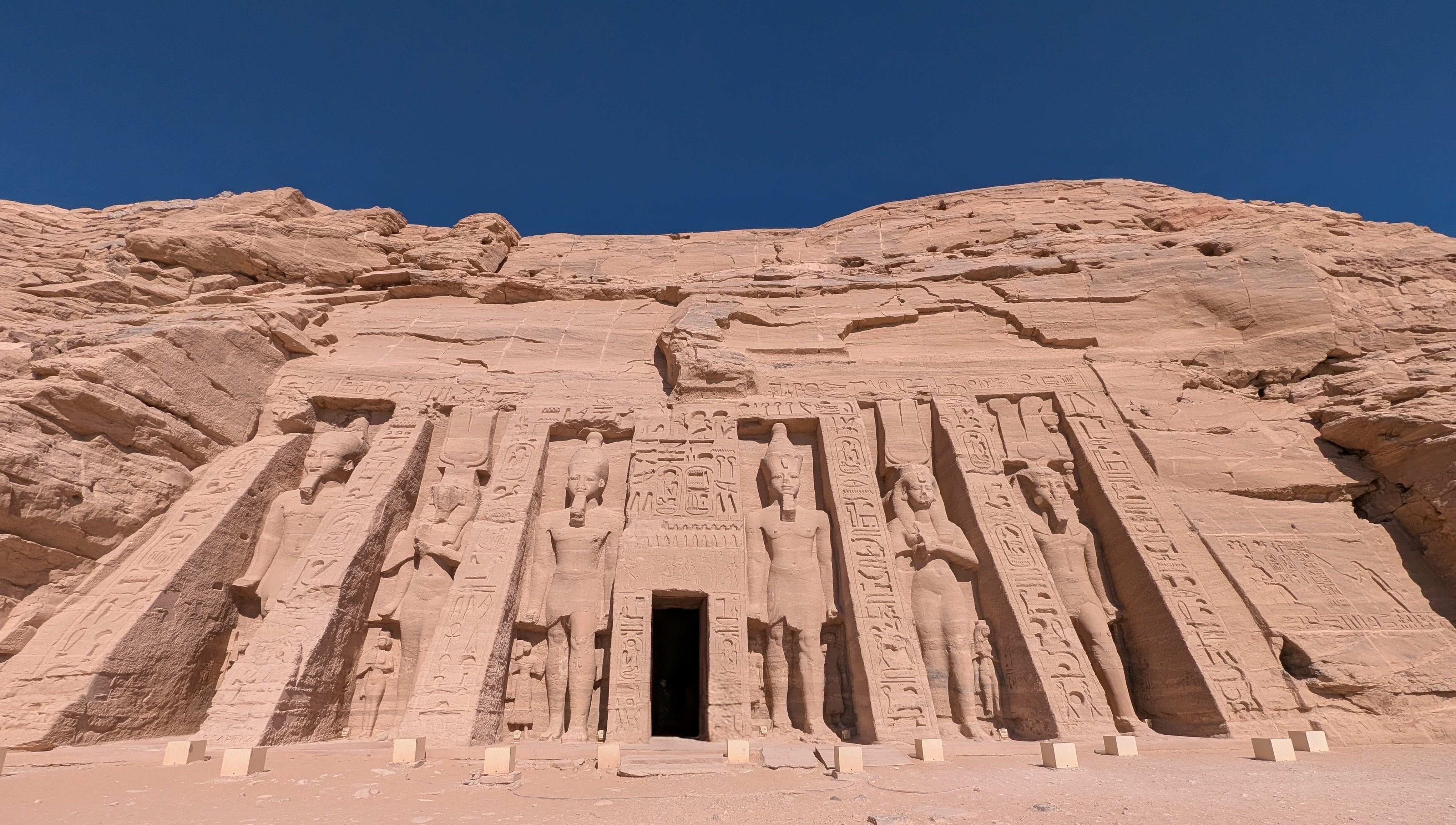
Tour of Abu Simbel Temples. Reclaimed from the floodwaters of the Aswan High Dam and totally reconstructed in the present location.
The site is dominated by the looming twin temples of Ramses II and his wife Queen Nefertari. It is one of the most recognized ancient sites of Egypt.
Overnight: Nile Cruise
Where stone becomes a horizon of its own.
Abu Simbel rises from the desert like an impossible decision —
four colossal faces staring down time, sunlight arranged as architecture, shadow arranged as devotion.
Here, the pharaoh does not merely rule; he declares himself in cliff‑sized certainty.
And beside him, Nefertari — carved with equal dignity — stands as the rare queen honored not behind, but beside her king.
A place where scale becomes myth, and myth becomes memory.
Abu Simbel Pic
Day 14 · Aswan → Philae → Cairo
Island temples and return north.
Overnight: Cairo
Where restoration began. On this island, the world stitched itself back together. Isis gathered the scattered pieces of Osiris and wove them into myth, magic, and lineage. The water around Philae still carries her footsteps; the columns still lean toward her story. This is the softest place in Egypt — a sanctuary where grief became creation.
Day 15 · Cairo (Open Day)
Optional museum and market visits.
Overnight: Cairo
Sunset on the Nile Pic
Field photographs from the Jordan | Egypt journey:
View the photo archive
Afterthoughts
This wasn’t a trip of checklists. It was a movement through elements—stone, desert, water—and the way those elements shape how you move. Jordan teaches you to slow down in canyons and on ridgelines; Egypt asks you to release control and let the river carry the story. Together they create a single cadence: walk, wait, watch, drift.
On movement.
The trip made a case for travel as duration, not distance. The best hours weren’t museum hours. They were the long transfers along desert highways, the ferry wake around Philae, the shadow clocks made by pylons at Luxor, the way morning light slides down the walls at Petra. Time, not tickets, set the rhythm.
On myth.
The Isis and Osiris thread didn’t sit “on top of” the journey—it ran beneath it. The Nile became narrative: a slow current that moves loss toward restoration. Philae is where this feels literal. But it also shows up in quieter places: in Kom Ombo’s deliberate symmetry, in Edfu’s resolve, and in the way the Valley of the Kings shifts your sense of scale and continuity.
On contrasts.
Jordan feels like subtraction—wind, escarpments, silence, a cup of tea that tastes like thyme and dust. Egypt is accumulation—columns, inscriptions, layers, crowds, an orchestra of horns and hulls. Holding both in one route made each more legible. Jordan teaches you to notice the negative space; Egypt fills it.
On people.
What stayed with us were small generosities: a driver who knew where the road shoulder turns to powder, a boatman who cut the engine so the island could speak, a family lunch that stretched a little longer than planned because talking felt like a destination.
On pace (what worked).
One “exhale” day on the Nile saved the entire back half of the trip. So did anchoring Egypt around Aswan rather than trying to cover too much ground up north. The myth thread gave coherence without forcing anything.
If we did it again.
- One more dawn in Petra (entry at first light, exit after sunset).
- Add Abydos if time allows (Osiris cult center; the myth deepens).
- Cairo: choose one big thing (Museum or Islamic Cairo) and give it proper space.
- Keep a true buffer day at the end; the trip breathes better with margins.
Practical notes.
- Light matters. Karnak is a cathedral of shade. Petra’s first two hours decide your memory. Philae belongs to the hour before dusk.
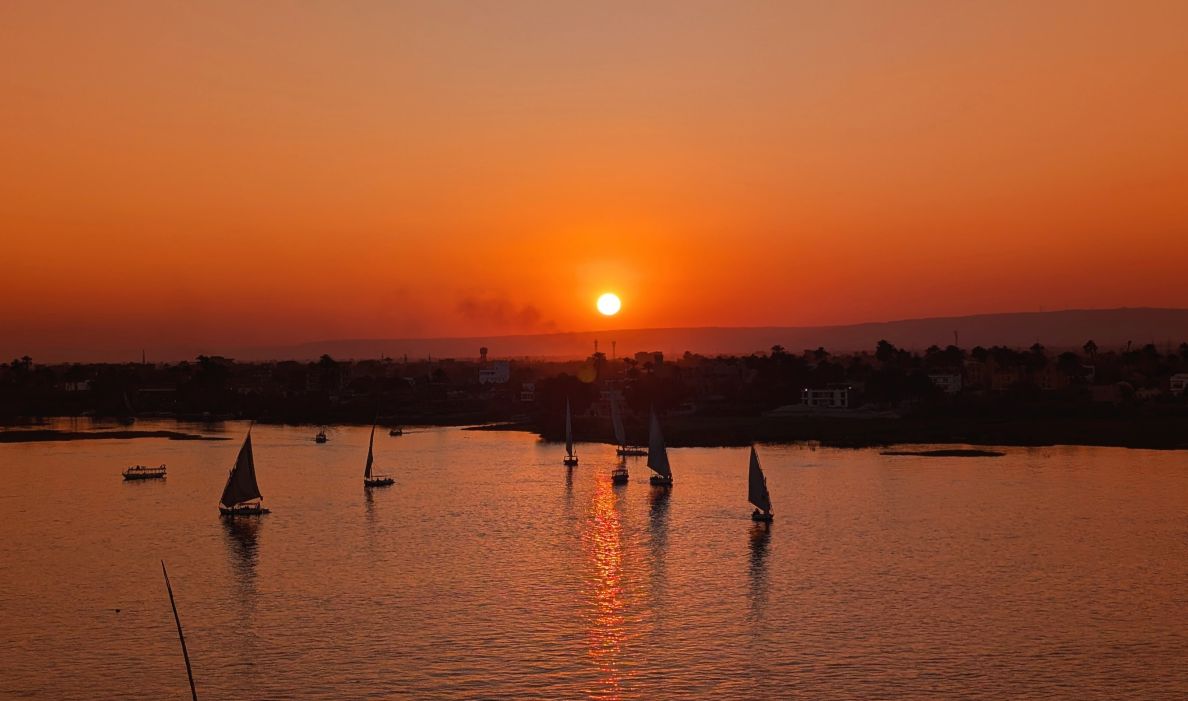
- Water matters. The Dead Sea is not a novelty if you give it stillness. The Nile, even more so—watch it from the rail without your phone.
- Footing matters. Closed‑toe shoes with grip in Petra; breathable long sleeves for sun on deck; a scarf for wind, sand, and sudden piety.
Ethics & presence.
Bring water and snacks; tip in the open; ask before photographing people; remember that ruins are also neighborhoods and livelihoods. It changes the tone of every interaction.
What stayed.
A handful of textures: the mineral weight of the Dead Sea on skin, pink discoloration on your white tennis shoes in Petra, the bass note of boat engines reverberating through Philae’s columns, and the quiet, steady feeling—on the river especially—that stories can be carried without being hurried.
This wasn’t a trip about seeing Egypt and Jordan. It was a trip about learning how to move through them.
More Field Notes
See other movements across landscapes: